How Hematite Pendants Can Help Jewelry Brands Build Better Collections
Jewelry brands often face the same product development problem: how to create enough variety for customers without filling a catalog with unrelated designs.
This is where Hematite Pendant products can become more useful than they first appear.
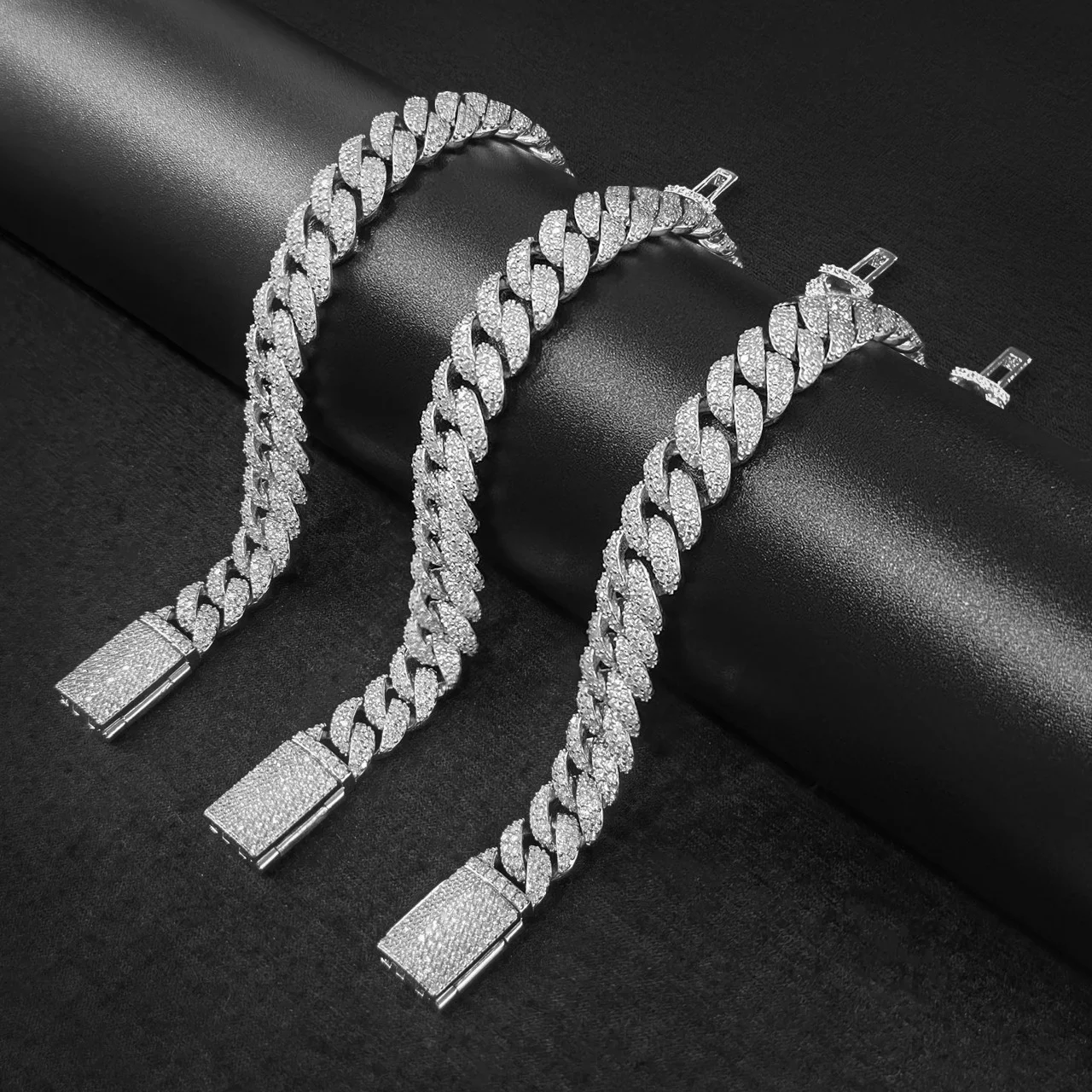
A pendant is not simply one standalone necklace component. Different pendant forms, surface treatments, bead combinations and supporting materials can be used to create a coordinated product family. When Plated Hematite finishes are added, the same basic design language can extend into silver-tone, gold-tone, dark metallic and multicolor collections.
For wholesalers, private-label brands and jewelry distributors, this approach can simplify assortment planning.
Instead of sourcing completely different materials for every new necklace, buyers can build around a recognizable hematite theme and change selected details such as shape, finish, chain type and accompanying beads.
The result is a more consistent collection and a clearer product story.
Why Hematite Pendants Work Well as Collection Anchors
A collection usually needs one or two visual elements that connect different products.
A Hematite Pendant can perform this role effectively because it naturally becomes the focal point of a necklace.
The pendant shape may remain consistent while supporting components change.
For example, one rectangular hematite pendant can be used with:
-
a stainless steel chain;
-
a black cord;
-
a beaded necklace;
-
a plated spacer combination;
-
a shorter minimalist chain;
-
a longer casual necklace.
The centerpiece remains recognizable, but each finished product serves a slightly different customer.
This creates useful variation without requiring the buyer to develop six unrelated pendant molds.
The same strategy can also be applied across product categories.
A pendant may be coordinated with:
-
hematite bead bracelets;
-
matching earrings;
-
small spacer necklaces;
-
plated hematite accessories;
-
men's jewelry sets.
This is especially useful for B2B buyers because coordinated products are easier to merchandise together.
A retailer can present them as a collection instead of individual SKUs with no obvious connection.
For private-label brands, repeated use of a specific shape or finish can also become part of the brand's visual identity.
How Plated Hematite Expands One Pendant Design Into Several Styles
One of the simplest ways to extend a jewelry collection is through surface finish.
Plated Hematite allows a single pendant concept to support very different visual directions.
A silver-tone finish can create a cleaner, brighter appearance.
A gold-tone version can move the same shape toward fashion jewelry.
A dark metallic finish can support men's or minimalist collections.
A rainbow finish can make the product more decorative and suitable for more expressive accessories.
This means color can become a collection-building tool rather than just a cosmetic option.
Consider one simple geometric pendant.
The same silhouette could be developed as:
| Finish | Product Direction | Supporting Materials |
|---|---|---|
| Silver plated | Modern minimalist | Stainless steel chain |
| Gold plated | Fashion jewelry | Gold-tone spacers |
| Dark metallic | Men's jewelry | Black cord |
| Rainbow plated | Creative accessory | Black or neutral beads |
| Polished hematite | Classic style | Simple chain or cord |
For wholesale buyers, this is efficient because the basic dimensions and packaging can remain similar.
Photography and product descriptions can also follow a coordinated structure.
However, each finish should still have a clear role.
Simply producing every color available does not automatically create a good collection.
The stronger approach is to choose finishes that match actual retail categories.
How Different Pendant Shapes Can Create Clear SKU Roles
Shape is another important way to organize a hematite collection.
Different silhouettes can serve different customers without changing the overall material theme.
Round and oval pendants are generally softer in appearance.
They work well in everyday jewelry and more traditional necklace designs.
Rectangular and bar-shaped pendants create stronger geometric lines.
These can fit modern, men's and unisex collections.
Teardrop pendants provide a more classic jewelry shape.
They naturally create a vertical focal point and work well in longer necklace designs.
Faceted shapes create additional reflection.
They can be useful when buyers want more visual detail without adding crystals or decorative stones.
A practical wholesale assortment might include:
-
One small round pendant for minimalist necklaces.
-
One medium oval pendant for general jewelry.
-
One rectangular pendant for men's collections.
-
One faceted pendant for fashion styles.
-
One plated version for color-based collections.
This creates meaningful product variety.
Each SKU has a reason to exist.
That is better than offering ten pendants that differ only slightly in size.
For wholesale hematite pendants, clear SKU roles also help retailers decide which models to stock.
Why Mixed Material Necklaces Can Increase Product Variety
Hematite does not need to be used alone.
One of the most effective ways to create new designs is to combine a Hematite Pendant with other materials.
Stainless steel is one of the easiest combinations.
It provides a clean metallic structure and works especially well with geometric pendants.
Natural stones create stronger texture and color contrast.
A dark hematite centerpiece can be combined with tiger eye, onyx or other decorative stones.
Braided cord produces a more casual appearance.
This can make the same pendant suitable for a different customer group.
Glass or crystal beads can create a more decorative necklace.
Small Plated Hematite beads can also be used as transition elements between the pendant and the rest of the necklace.
This creates visual continuity.
| Pendant Combination | Resulting Style | Typical Market |
|---|---|---|
| Hematite + stainless steel | Clean and modern | Men's and unisex |
| Hematite + natural stone | Textured and casual | Lifestyle jewelry |
| Hematite + black cord | Minimal and relaxed | Everyday accessories |
| Hematite + crystal | Decorative | Fashion jewelry |
| Hematite + plated beads | Coordinated metallic | Private-label collections |
The important point is balance.
The pendant should normally remain the main focal point.
Supporting materials should add texture or color without competing excessively.
For wholesalers, mixed-material designs also create a useful way to expand product lines while reusing existing components.
How Jewelry Brands Can Build Matching Sets Around Hematite
Matching sets can make a product range look more developed.
Instead of selling only a necklace, brands can create coordinated bracelet, ring or earring options.
A Hematite Pendant can establish the main design direction.
From there, related products can repeat:
-
the same plated finish;
-
the same geometric shape;
-
the same bead size;
-
the same metal spacer;
-
the same black or silver color palette.
For example, a silver plated rectangular pendant could be paired with a bracelet using small silver Plated Hematite beads.
A dark geometric pendant could be matched with a magnetic hematite bracelet.
A rainbow pendant could be paired with small multicolor spacer beads.
These combinations help customers recognize products as belonging to the same family.
They also create more cross-selling opportunities for retailers.
From a wholesale perspective, sets can be developed in two ways.
The first is physical set packaging.
Several products are sold together in one box.
The second is collection matching.
Products are sold individually but share the same design language.
The second approach gives retailers more flexibility because customers can purchase one item or build their own set over time.
For private-label brands, coordinated sets can also make relatively simple products feel more exclusive.
What Wholesale Buyers Should Consider When Planning a Hematite Collection
Building a collection requires more than choosing attractive samples.
The products need to work together commercially.
Wholesale buyers should first define the target customer.
A men's jewelry collection will likely need different pendant sizes, chains and finishes from a delicate fashion necklace range.
Next, buyers should decide which features will remain consistent.
These may include:
-
pendant finish;
-
bead color;
-
chain material;
-
packaging style;
-
logo component;
-
overall design language.
Then, individual SKUs can vary in shape or size.
This keeps the collection visually connected.
Buyers should also consider component availability.
A product that depends on a rare or difficult-to-source chain may be harder to reorder.
Repeatability is particularly important for private-label collections.
If a necklace performs well, the next production batch should match the original product closely.
Useful checks include:
-
pendant dimensions;
-
surface finish;
-
chain length;
-
plating tone;
-
connection hardware;
-
bead color;
-
packaging.
Physical approved samples can help maintain consistency.
For Plated Hematite, this is especially useful because metallic colors may look different under different lighting conditions.
How Can Hematite Pendants Support Private Label Development?
Private-label development does not always require completely new product engineering.
Sometimes the strongest differentiation comes from combining existing components in a distinctive way.
A custom hematite pendant can be developed through:
-
unique shape selection;
-
custom dimensions;
-
plated finish;
-
logo bail or metal tag;
-
chain selection;
-
bead combination;
-
packaging design.
For example, a brand could use a standard rectangular hematite pendant but add a custom engraved bail and exclusive chain length.
Another brand might use the same pendant form with a gold plated finish and coordinated bead accents.
Both products feel different even though the underlying material system is similar.
This type of customization is often practical for wholesale production.
It creates visible differentiation without making every component unique.
Packaging can reinforce the effect.
A branded card, pouch or box can turn a simple hematite necklace into a complete private-label retail product.
For B2B buyers, the best custom projects usually balance uniqueness with repeatability.
A design should be distinctive enough to support branding but stable enough to reorder.
Why Hematite Pendants Are Useful for Long Term Jewelry Collections
The value of a Hematite Pendant is not limited to one necklace design.
Its real strength lies in how easily it can become the center of a wider product family.
Different shapes can serve different customer groups.
Different chains can change the style.
Natural stones, cords and metal components can introduce new textures.
Plated Hematite finishes can extend the same product into silver, gold, dark and multicolor collections.
For wholesalers, this creates a more efficient approach to product development.
Instead of continuously introducing unrelated designs, buyers can expand around a stable material and recognizable visual direction.
This can simplify sourcing, photography, merchandising and repeat orders.
For jewelry brands, it can also create stronger identity.
When customers see repeated shapes, finishes and material combinations across several products, the collection begins to feel intentional rather than assembled from separate catalog items.
That is why hematite pendants can work well as more than standalone components.
Used strategically, they can become the foundation for coordinated necklaces, matching jewelry sets, seasonal product extensions and private-label collections.
www.bossmagnetic.com
BOSS (Guangzhou) Magnetic Materials Co., Ltd.
About Author