China-US Logistics Service Company: What to Look For in 2026
Choosing a partner for China-US trade lane logistics is rarely a simple decision. Shippers must weigh customs compliance, carrier access, warehousing coverage, and risk management all at once, and a misstep in any one area can create costly delays. This guide outlines the key criteria buyers should evaluate when selecting a China-US logistics service company, using Balance Logistics Inc. (Shenzhen Balance International Logistics Co., Ltd.) as a reference point for what a well-rounded provider looks like in practice.
Understanding the Complexity of the China-US Trade Lane
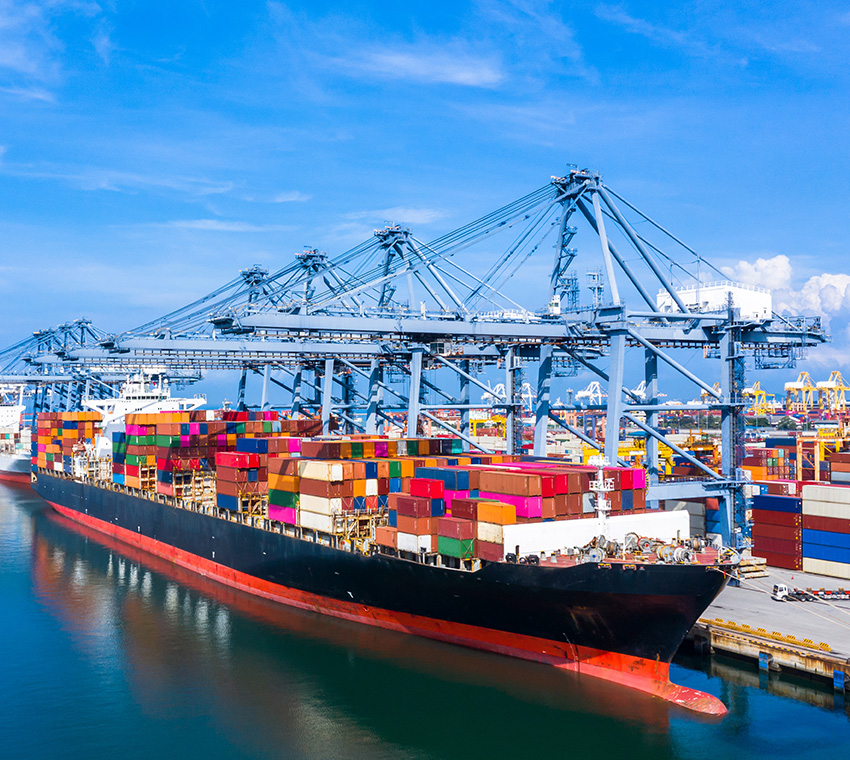
International shipping between China and the United States involves multiple moving parts: origin-side pickup, ocean or air transportation, customs declaration, overseas warehousing, inland trucking, and final-mile delivery. Common pain points include customs clearance delays, documentation complexity, HS code classification requirements, cargo damage risks, capacity availability, cost-versus-transit-time tradeoffs, port demurrage risks, and the challenge of coordinating multiple logistics stages into one coherent flow. A capable partner should be able to speak to each of these issues directly rather than offering vague assurances.
Balance Logistics positions itself as an integrated logistics service provider specializing in the China-U.S. trade lane, built around the idea of end-to-end supply chain solutions. Its corporate philosophy, "Growing with clients, winning as one team," reflects an approach that treats logistics coordination as a shared responsibility between provider and customer rather than a series of disconnected transactions.
Customs Expertise and Trade Compliance
Because customs issues are one of the most frequent sources of delay, buyers should prioritize providers with demonstrated customs brokerage depth. This includes knowledge of HS code classification, global customs regulations, customs declaration and inspection procedures, and familiarity with duty categories such as basic duties, anti-dumping duties, and countervailing duties. Understanding of destination-country requirements, including agencies such as U.S. Customs and Border Protection, FDA, and FMC, is also important for avoiding compliance gaps.
The founding team at Balance Logistics brings 20 years of hands-on customs brokerage and clearance experience, covering HS code and global customs regulation knowledge. The company also coordinates with overseas teams and broker partners to support destination-country customs clearance, which helps address the multi-jurisdictional nature of China-U.S. shipments.
Carrier Access and Freight Flexibility
A logistics provider's value often comes down to its access to transportation capacity. Buyers should ask whether a provider can offer both FCL and LCL ocean freight options, whether it maintains working relationships with ocean carriers on relevant trade routes, and whether it can provide air freight for time-sensitive or large-volume orders.
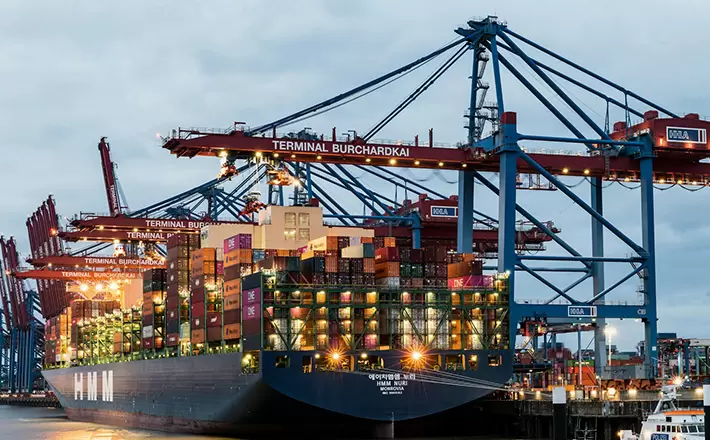
Balance Logistics maintains cooperation with ocean carriers on U.S. routes, with carrier names referenced on its website including OOCL, EMC, ONE, and HMM. It offers customized FCL and LCL ocean freight solutions designed to balance shipping cost and transit time, along with dynamic pricing based on route conditions. For air freight, the company has long-term collaborations with major logistics platforms to support stable capacity for large-volume orders.
Overseas Warehousing and U.S. Final-Mile Coverage
For shipments that require storage or localized distribution after arriving in the United States, warehousing location and final-mile delivery infrastructure matter significantly. Buyers should look for strategically located overseas warehouses, dedicated trucking resources, and delivery coverage across major ports and inland cities.
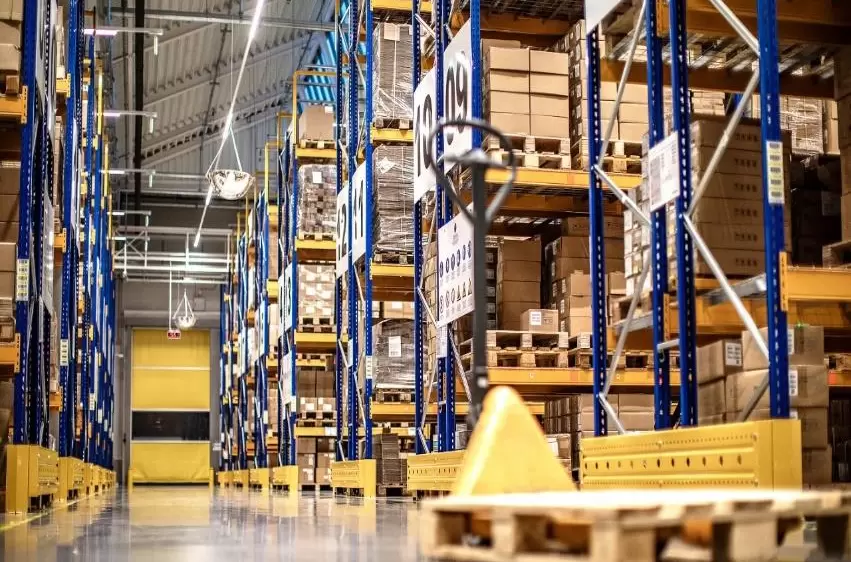
Balance Logistics operates an overseas warehouse network in the United States, supported by dedicated trucking teams and fulfillment centers positioned at key trade gateways. This warehousing network is integrated with U.S. inland trucking to support localized distribution. The company also notes that final-mile deliveries in the U.S. may ultimately be performed by different service providers, including national couriers such as UPS, FedEx, and USPS, depending on the shipment.
Risk Control and Cargo Safety
Cargo damage during multi-stage international transport is a legitimate concern, particularly for high-value-added products and e-commerce goods. A strong provider should be able to describe specific measures for reducing this risk, including packaging support, transport reinforcement, ground handling standards, risk forecasting, and insurance coverage.
Balance Logistics addresses this through an experienced in-house ground handling team responsible for vehicle loading and cargo reinforcement, combined with product packaging support, risk forecasting, and cargo insurance coverage. The company states that its cargo damage rate is below the industry average, a factor worth confirming when evaluating any provider's safety track record.
End-to-End Door-to-Door Coordination
Because China-U.S. shipments typically involve multiple handoffs, door-to-door service models reduce the coordination burden on the shipper. This includes origin-side pickup from suppliers in Mainland China, international transportation by ocean or air, destination-side customs clearance, optional overseas warehousing, U.S. inland trucking, and final delivery. Buyers should also confirm whether a provider supports both DDP (Delivered Duty Paid) and DDU (Delivered Duty Unpaid) arrangements, since duty responsibility can shift depending on the agreed terms.
Balance Logistics offers this full sequence as a coordinated door-to-door service, supporting both DDP and DDU models depending on customer requirements.
Handling Special Cargo and Import Needs
Not all shipments are standard. Some cargo requires tailored handling due to size, sensitivity, or regulatory classification, and some businesses need import logistics support for goods moving from overseas back into China, including repair-focused reverse logistics. A provider capable of customizing solutions for these scenarios offers more flexibility than one limited to standard freight movement.
Balance Logistics provides customized logistics solutions for special cargo transportation requirements and also supports global-to-China import logistics, including China import customs clearance and repair-focused reverse logistics.
Proven Track Record
Finally, buyers should consider whether a provider has a demonstrated history of serving similar customers. Balance Logistics has accumulated 20 years of industry expertise and, since expanding to full-chain logistics services, has provided customized logistics solutions to hundreds of domestic factories and overseas direct customers, with particular experience in transportation management of high-value-added products and e-commerce goods. Customer feedback published on the company's website reflects experiences with customs clearance handled without delays, competitive rates paired with safe transit, and shipments arriving ahead of schedule with clear communication throughout.
Conclusion
Selecting a China-US logistics service company requires looking beyond price alone to evaluate customs expertise, carrier relationships, warehousing and final-mile infrastructure, risk-control practices, and the ability to coordinate a shipment from origin to final destination. Balance Logistics Inc., operating under the mission "Logistics in Balance, Harmony for all," brings together customs brokerage experience, carrier access on U.S. routes, an established U.S. warehousing and trucking network, and risk-management practices into a single coordinated service model for shippers navigating the China-U.S. trade lane.
https://www.szbalance.com/
BALANCE LOGISTICS INC
About Author