Why Aramid and UHMWPE Materials Are Widely Used in Ballistic Helmets?
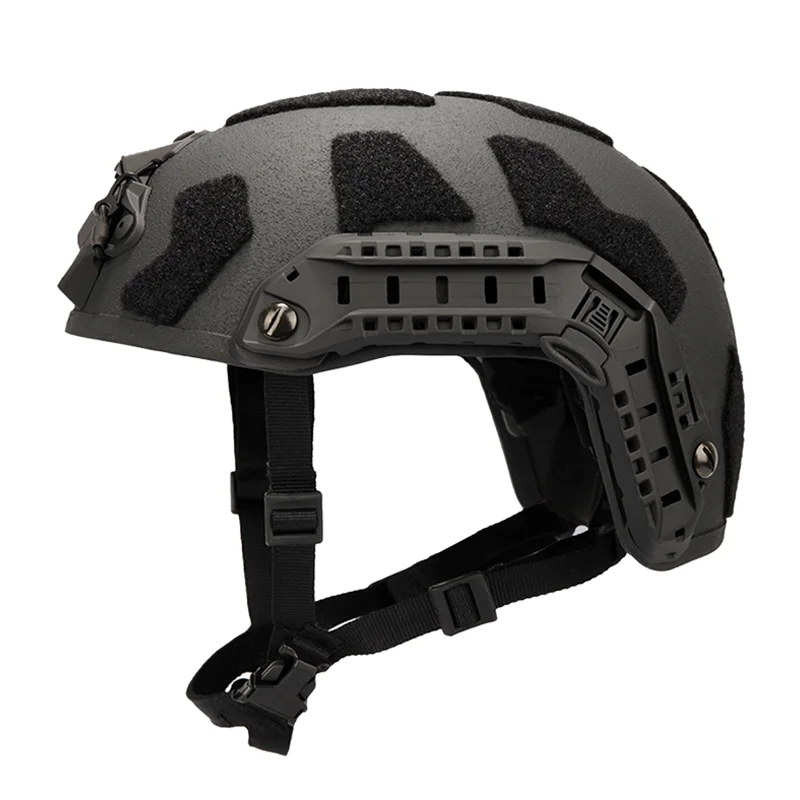
Introduction: The Importance of Materials in Modern Ballistic Helmets
A ballistic helmet is one of the most critical pieces of personal protective equipment used by military personnel, law enforcement officers, security teams, and tactical professionals. In high-risk environments, helmets must provide reliable protection against ballistic threats while remaining lightweight, comfortable, and flexible enough for long-duration operations.
The performance of a ballistic helmet depends heavily on the materials used in its construction. Over the years, manufacturers have moved away from traditional heavy metal-based protection solutions and adopted advanced composite materials that deliver better protection-to-weight ratios. Among these materials, aramid fibers and UHMWPE (Ultra-High Molecular Weight Polyethylene) have become two of the most widely used solutions in modern ballistic helmet manufacturing.
Both materials offer unique advantages, including high tensile strength, excellent energy absorption, and resistance to extreme conditions. Their ability to balance protection, mobility, and comfort makes them ideal choices for military and tactical helmet applications.
Understanding why aramid and UHMWPE are preferred materials can help buyers, defense organizations, and tactical equipment distributors make better decisions when selecting a reliable ballistic helmet supplier.
What Makes a Material Suitable for Ballistic Helmet Manufacturing?
Before exploring aramid and UHMWPE in detail, it is important to understand the key requirements of a high-performance ballistic helmet.
Unlike ordinary protective headgear, ballistic helmets are designed to stop or reduce the impact of projectiles and fragments. This requires materials that can absorb large amounts of kinetic energy while maintaining structural integrity.
A suitable ballistic helmet material should provide:
High Ballistic Resistance
The primary function of a ballistic helmet is protection against bullets, fragments, and other ballistic threats. The helmet material must be capable of slowing down and stopping projectiles before they reach the wearer.
Lightweight Construction
Military and tactical personnel often wear helmets for many hours during missions. Excessive weight can cause fatigue, neck strain, and reduced operational efficiency. Therefore, modern ballistic helmets focus on lightweight materials with high protection levels.
Energy Absorption Capability
When a projectile impacts a helmet, the material must distribute and absorb impact energy to reduce blunt force trauma.
Environmental Durability
A professional-grade ballistic helmet must perform reliably under harsh conditions, including extreme temperatures, humidity, salt spray, and mechanical stress.
Long Service Life
Defense and law enforcement organizations require equipment that maintains performance over years of use. Material stability is therefore a key factor in ballistic helmet design.
Aramid and UHMWPE meet these requirements better than many traditional materials, which explains their widespread adoption.
Understanding Aramid Materials in Ballistic Helmets
Aramid fibers are synthetic fibers known for their exceptional strength and heat resistance. The most recognized aramid material used in protective equipment is Kevlar, which has been widely applied in body armor, helmets, and other protective systems.
The molecular structure of aramid fibers provides outstanding tensile strength, allowing them to effectively absorb and distribute impact energy.
In a ballistic helmet, aramid layers are typically arranged in multiple directions to create a composite structure. When a projectile strikes the helmet, the fibers work together to slow the projectile and spread the force across a wider area.
Advantages of Aramid Ballistic Helmet Materials
Excellent Strength-to-Weight Ratio
One of the biggest advantages of aramid is its ability to provide strong ballistic protection without adding excessive weight. Compared with traditional materials such as steel, aramid-based helmets offer improved mobility and comfort.
This makes aramid ballistic helmets especially suitable for infantry, police tactical units, and security professionals who require protection during extended operations.
Superior Heat Resistance
Aramid fibers maintain stability at high temperatures and have excellent resistance to thermal degradation. This characteristic makes them suitable for military environments where equipment may face extreme heat or fire exposure.
Proven Performance and Reliability
Aramid has been used in protective equipment for decades. Its long history of application provides confidence for organizations purchasing military ballistic helmets and tactical protection systems.
Good Fragment Protection
Besides bullet resistance, ballistic helmets must also protect against fragments generated by explosions and battlefield hazards. Aramid materials perform well against fragmentation threats because of their ability to capture and absorb high-speed fragments.
Understanding UHMWPE Materials in Ballistic Helmets
UHMWPE stands for Ultra-High Molecular Weight Polyethylene, an advanced polymer material known for its extremely high strength and lightweight characteristics.
In recent years, UHMWPE has become increasingly popular in the production of modern ballistic helmets due to its excellent protection-to-weight ratio.
Unlike traditional polyethylene materials, UHMWPE contains extremely long molecular chains that create exceptional mechanical performance.
Advantages of UHMWPE Ballistic Helmet Materials
Extremely Lightweight Performance
The most significant advantage of UHMWPE is its low density. Compared with many traditional protective materials, UHMWPE provides similar or improved ballistic performance at a significantly reduced weight.
For tactical operators, reducing helmet weight can improve comfort, mobility, and mission endurance.
A lightweight ballistic helmet is especially valuable for special operations forces, aviation crews, and professionals who need to combine protection with high mobility.
High Energy Absorption Capability
UHMWPE fibers can effectively absorb and distribute impact energy. When a projectile hits a UHMWPE helmet shell, the fibers work together to slow penetration and minimize deformation.
This helps improve wearer safety while maintaining a relatively thin helmet profile.
Excellent Chemical Resistance
Military and industrial environments may expose equipment to fuels, chemicals, moisture, and other challenging conditions. UHMWPE offers strong resistance to many chemicals, helping maintain long-term performance.
Moisture Resistance
Unlike some traditional materials, UHMWPE does not absorb significant amounts of water. This makes it suitable for humid environments, marine operations, and tropical climates.
Aramid vs UHMWPE: Which Material Is Better for Ballistic Helmets?
Both aramid and UHMWPE are excellent materials, but they have different characteristics.
| Feature | Aramid | UHMWPE |
|---|---|---|
| Weight | Lightweight | Extremely lightweight |
| Strength | High tensile strength | Very high strength-to-weight ratio |
| Heat resistance | Excellent | Moderate |
| Moisture resistance | Good | Excellent |
| Chemical resistance | Good | Excellent |
| Military application history | Long-established | Increasingly popular |
| Comfort | High | Very high |
The choice between aramid and UHMWPE depends on the intended application.
For environments requiring excellent heat resistance and proven battlefield performance, aramid remains a reliable option.
For missions where weight reduction is a priority, UHMWPE provides significant advantages.
Many advanced ballistic helmet manufacturers now combine different composite materials to achieve optimized performance, balancing protection, weight, durability, and cost.
Why Modern Ballistic Helmet Manufacturers Prefer Composite Materials
The evolution of protective equipment has focused on achieving higher performance with less weight. Composite materials such as aramid and UHMWPE allow manufacturers to create helmets that meet increasingly demanding operational requirements.
Modern composite ballistic helmet designs offer several benefits:
Improved User Mobility
A lighter helmet reduces physical strain and allows operators to move more efficiently during tactical operations.
Better Comfort During Extended Use
Military and law enforcement personnel may wear helmets for several hours. Advanced materials help improve comfort without compromising protection.
Enhanced Design Flexibility
Composite materials allow manufacturers to develop different helmet shapes, including:
-
High-cut ballistic helmets
-
Mid-cut tactical helmets
-
Full-cut ballistic helmets
Each design can be optimized for different mission scenarios.
Compatibility With Tactical Accessories
Modern ballistic helmets are often equipped with accessories such as:
-
Night vision mounts
-
Communication systems
-
Rail systems
-
Protective covers
-
Tactical lights
Lightweight composite construction helps support these additional components without creating excessive load.
Applications of Aramid and UHMWPE Ballistic Helmets
Because of their excellent performance, aramid and UHMWPE helmets are widely used across multiple industries.
Military Operations
Military forces use ballistic helmets to protect personnel against bullets, fragments, and battlefield hazards. Lightweight composite helmets allow soldiers to maintain mobility during combat missions.
Law Enforcement
Police tactical teams and special response units rely on ballistic helmets during high-risk operations, including hostage rescue, counter-terrorism missions, and tactical interventions.
Private Security
Security professionals working in unstable regions often require reliable protective equipment. Composite ballistic helmets provide essential protection while allowing operational flexibility.
Specialized Industrial Applications
Certain industrial and emergency response teams also use ballistic protection equipment when operating in hazardous environments.
How to Choose a Reliable Ballistic Helmet Supplier
When purchasing ballistic helmets, organizations should evaluate more than just the material used.
A reliable ballistic helmet supplier should provide:
Certified Protection Performance
Buyers should confirm that helmets meet recognized ballistic protection standards and testing requirements.
Advanced Manufacturing Capability
The manufacturing process directly affects helmet quality. Experienced manufacturers use precise molding techniques, quality control systems, and material testing procedures.
Customization Options
Different users may require specific helmet configurations, colors, sizes, or accessory compatibility.
Consistent Quality Control
Professional ballistic helmet manufacturers should conduct inspections throughout production to ensure every helmet meets performance expectations.
Future Trends in Ballistic Helmet Materials
The demand for lighter, stronger, and smarter protective equipment continues to grow. Future ballistic helmet development will likely focus on:
-
Advanced composite combinations
-
Improved impact absorption systems
-
Reduced helmet weight
-
Enhanced comfort designs
-
Integration with communication and monitoring technologies
Material innovation will remain a key factor in improving tactical protection systems.
Aramid and UHMWPE are expected to continue playing important roles because they already provide an excellent foundation for next-generation ballistic protection.
Conclusion: Why Aramid and UHMWPE Remain Essential for Ballistic Helmets
The widespread use of aramid and UHMWPE in ballistic helmets is the result of their ability to deliver a rare combination of strength, lightweight performance, durability, and protection.
Aramid provides proven reliability, excellent heat resistance, and strong fragmentation protection, while UHMWPE offers exceptional lightweight performance and energy absorption capabilities. Both materials help manufacturers develop advanced helmets that meet the demanding requirements of military, law enforcement, and security professionals.
For organizations looking to purchase high-quality protective equipment, understanding these materials is essential when selecting the right ballistic helmet manufacturer or supplier. As tactical requirements continue to evolve, advanced composite materials will remain at the center of ballistic helmet innovation, helping professionals operate with greater safety, comfort, and confidence.
www.militarytex.com
hongjia
About Author
