What does "good provenance" mean for collectibles? It is a reference, not the sole criterion for authentication.
In recent years, “good provenance” has become an increasingly common term in the art and antiques market. Many new collectors consider it an important factor when purchasing collectibles, believing that a clear and traceable ownership history can help reduce the risk of misidentifying an object’s authenticity and making poor investment decisions.
However, opinions within the industry remain divided over the actual significance of provenance.
Some believe that excessive reliance on documentary records may weaken collectors’ ability to assess an object based on its physical characteristics. Others point out that China’s long and complex history makes it difficult for many ancient artifacts to retain a complete record of every transfer from their creation to the present day. The absence of continuous documentation does not necessarily mean that an object is inauthentic. Still others argue that the essence of collecting lies in the ability to examine and appreciate the object itself. A fine antique can retain considerable artistic and historical value even when its provenance records are incomplete.
A widely accepted view is that good provenance is an important reference in authentication, but it should never be treated as the sole criterion. Documentary evidence has its own limitations and must be evaluated alongside other relevant information.
What Does Genuine Good Provenance Mean?
In its strictest sense, complete provenance means that every stage in an artifact’s history — from its creation and gifting to subsequent transactions and changes of ownership — is supported by verifiable written records. In some cases, inscriptions, colophons or other information preserved on the object itself can also provide evidence of its history.
Archaeological finds and underwater-recovered artifacts accompanied by professional excavation or recovery records may have particularly clear and verifiable histories. Museum collections of excavated cultural relics are representative examples. When supported by rigorous academic research and reliable documentation, such objects can offer valuable evidence for dating, historical interpretation and cultural studies.
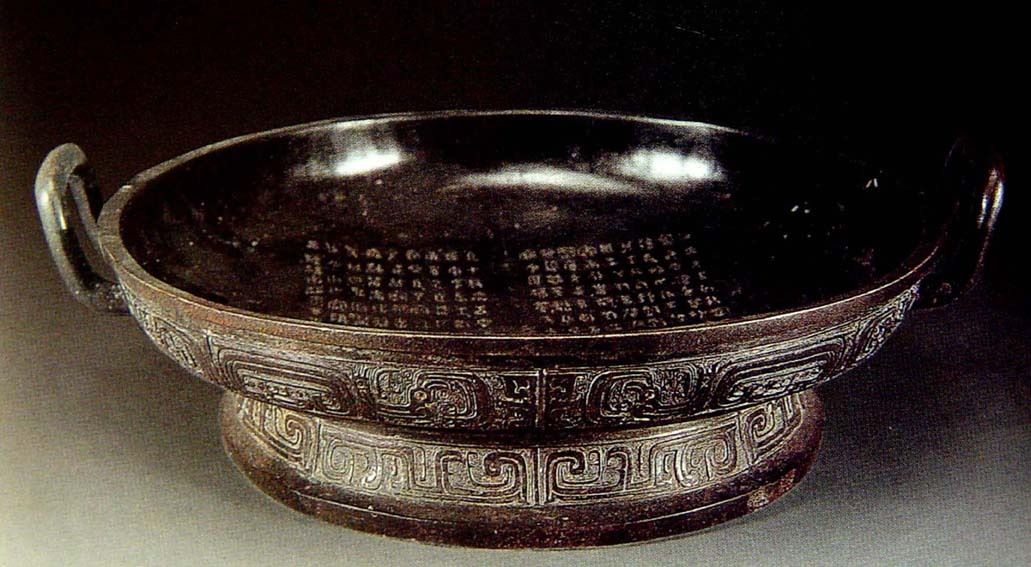
Qiang Pan, Western Zhou Dynasty, collected by Baoji Bronze Ware Museum
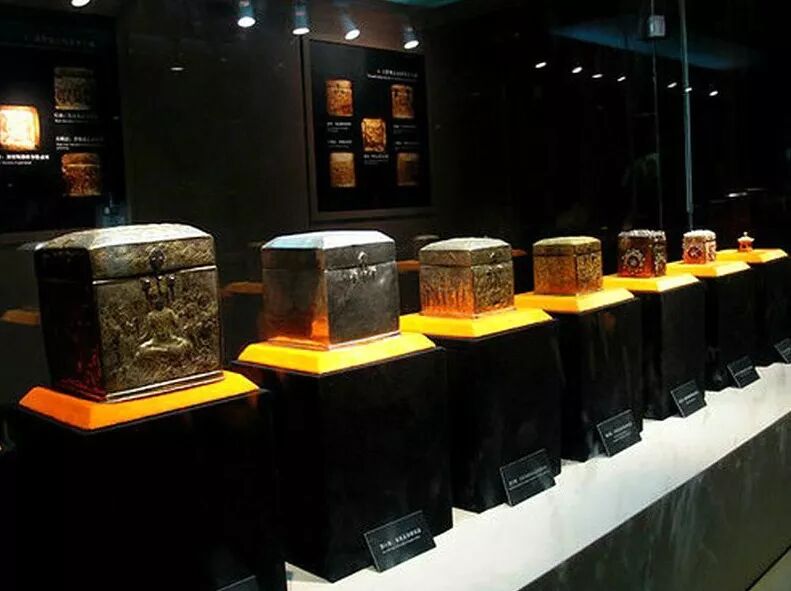
Tang Dynasty · Eight-layered Reliquary, collected by Famen Temple Museum, Baoji
The Song Dynasty rubbing edition of Baojinzhai Calligraphy Model Book, preserved in the Shanghai Library, provides a notable example of well-documented provenance. The rare edition was reportedly collected by Zhao Mengfu during the Yuan Dynasty, and relevant collector’s seals and supplementary inscriptions remain on its title page. During the Ming Dynasty, it passed through the collections of Gu Congyi, Wu Ting and other collectors, preserving viewing notes and colophons by numerous renowned connoisseurs.
Its ownership history, collector records and related authentication materials can be examined and cross-referenced. This documented history has helped establish the work as a classic example of a collectible with good provenance. Artworks that have passed through the hands of distinguished collectors over successive generations may benefit from greater historical research value and stronger recognition in the market.
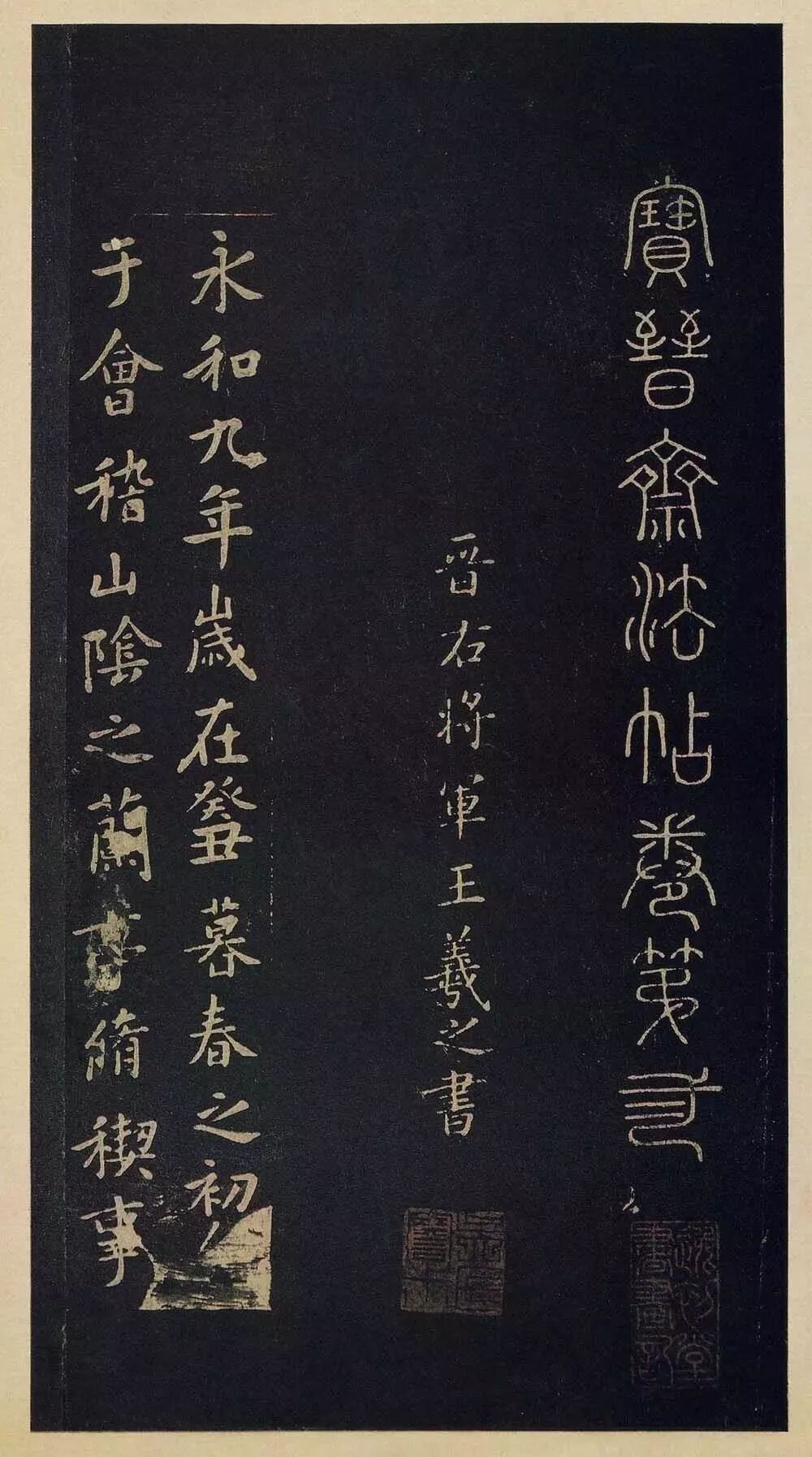
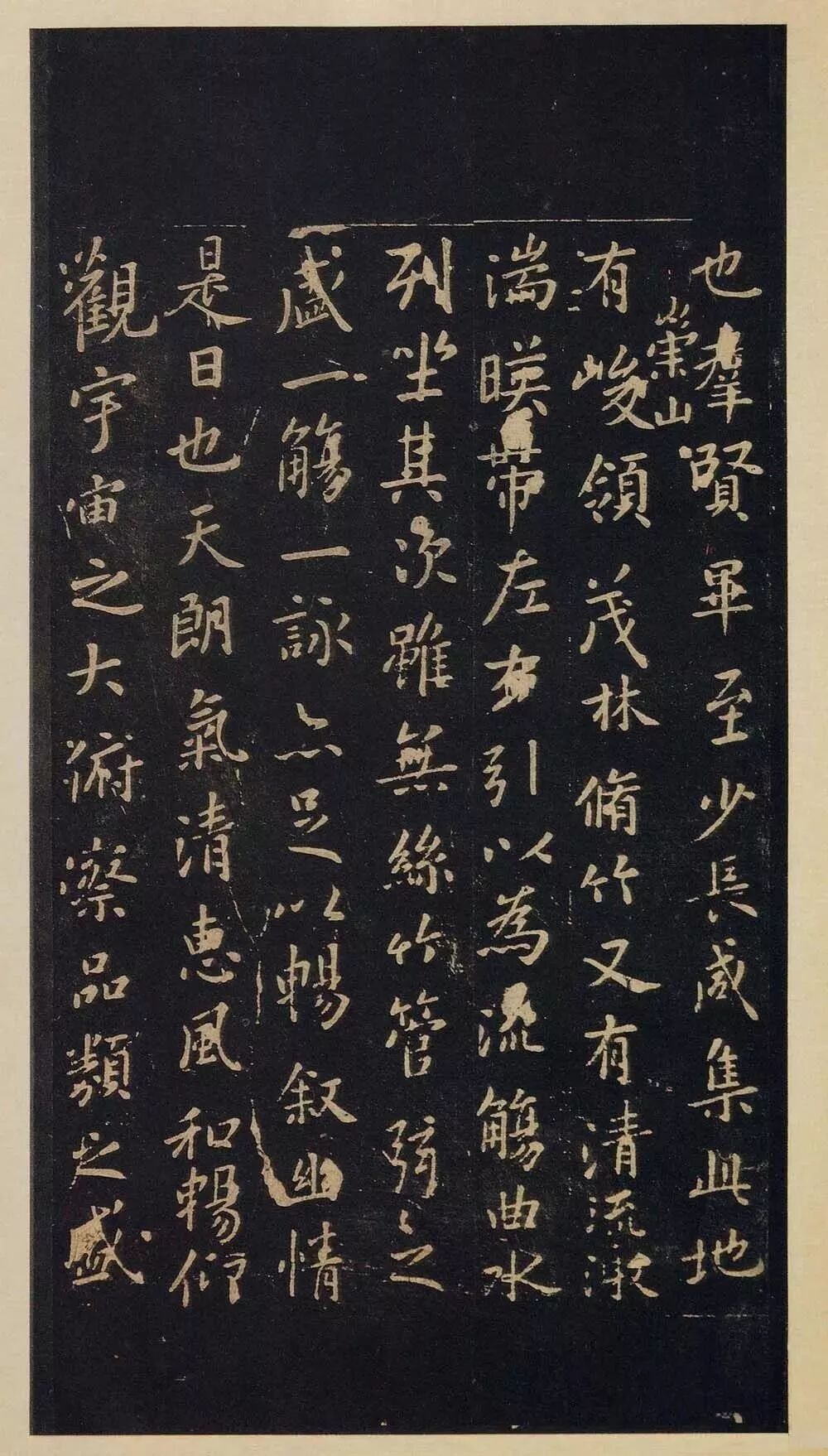
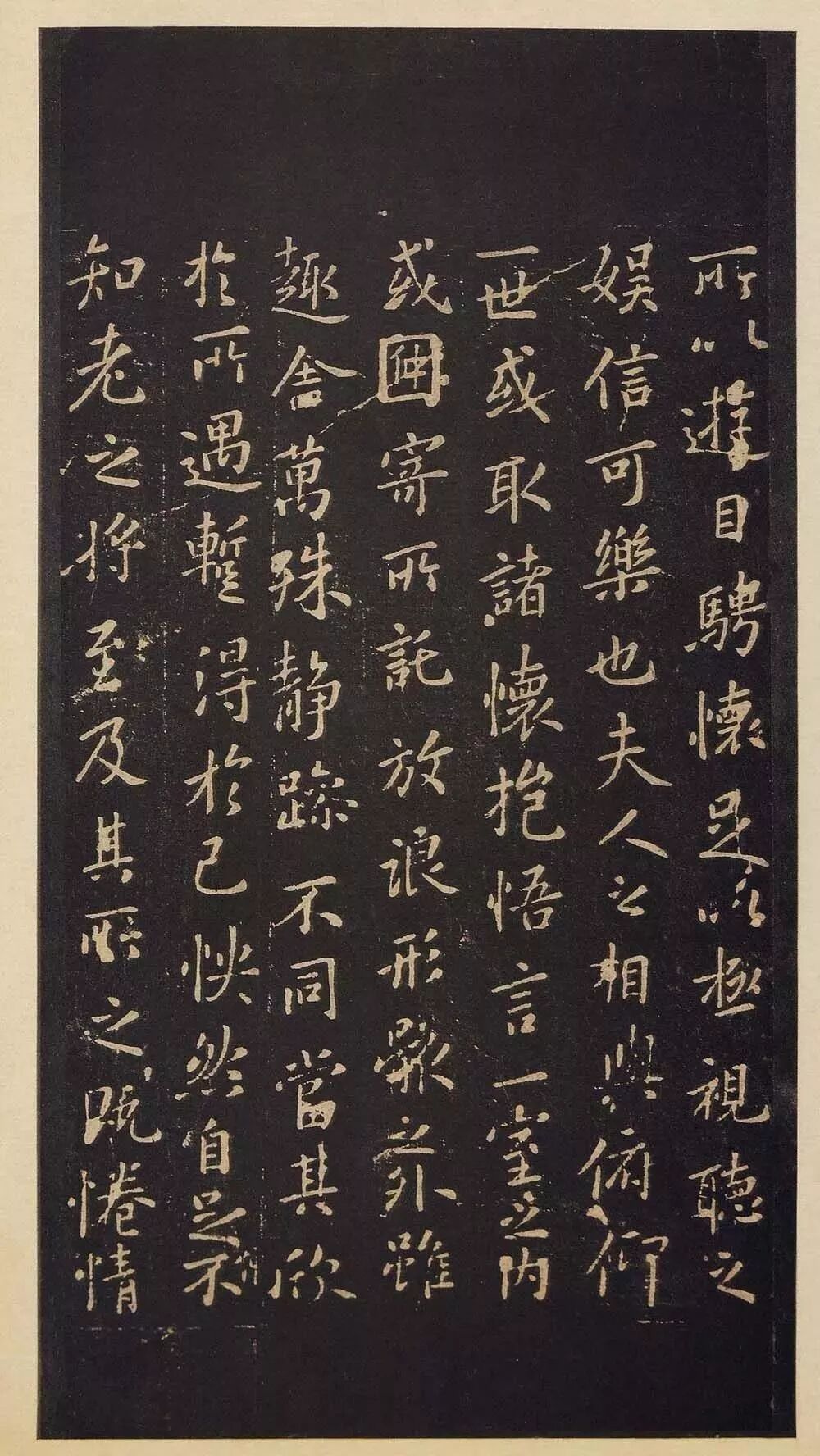
Song Dynasty rubbing · Baojinzhai Calligraphy Model Book (detail), Shanghai Library
Nevertheless, few antiquities possess such a complete historical record. Given the length and complexity of Chinese history, tracing the entire circulation history of an ancient porcelain piece or artwork from its creation to the present day is often difficult.
In today’s art market, the term “good provenance” more commonly refers to verifiable records covering at least part of an object’s later ownership history. Supporting materials may include records of previous museum ownership, collections of established private collectors, purchase receipts from antique shops, historical auction records and catalogues published by international auction houses.
When an object’s more recent ownership and circulation history can be clearly established, it may be regarded within the trade as having documented provenance. Such records can demonstrate that the object existed at a particular point in time and help establish its subsequent history. However, they cannot, by themselves, conclusively prove authenticity.
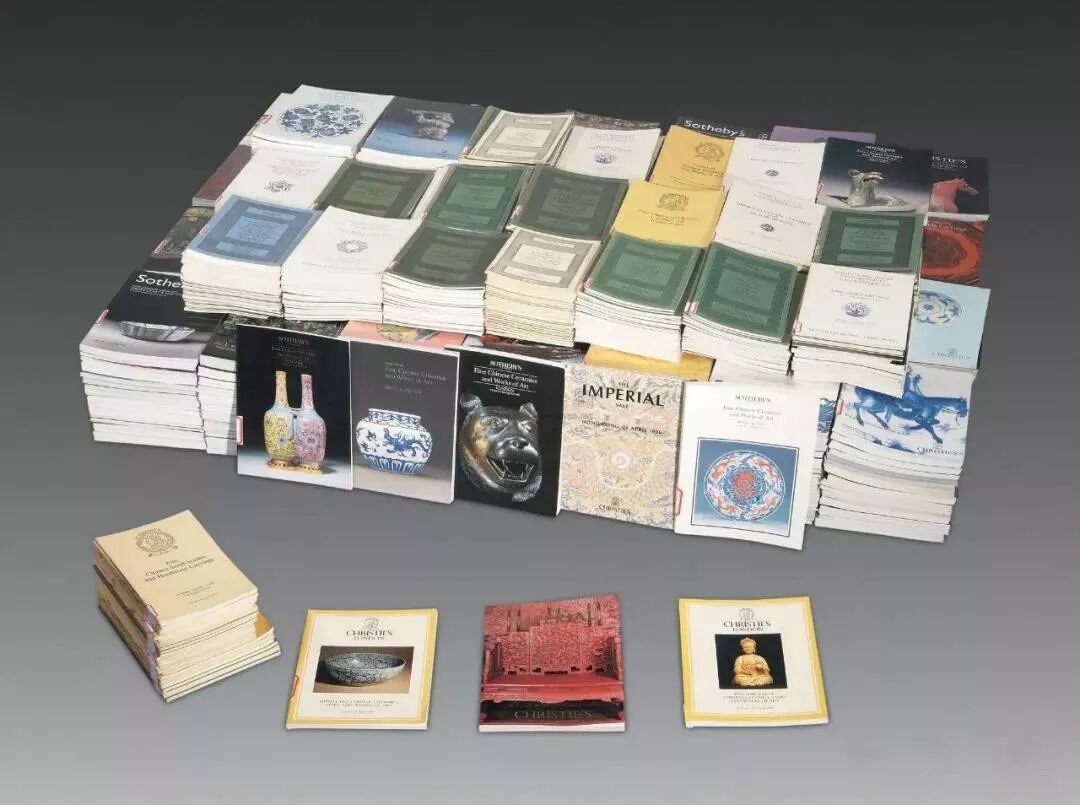
Auction catalogues
Good Provenance Does Not Guarantee Authenticity
An artifact with a seemingly complete ownership history is not necessarily free from authenticity disputes. Historical examples show that even works accompanied by authoritative provenance records can be subject to differing scholarly opinions.
One well-known case involves Huang Gongwang’s Dwelling in the Fuchun Mountains. The Ziming Scroll was acquired by the Qianlong Emperor early in his reign and became one of his cherished possessions. The emperor added numerous colophons and seals, giving the work an extensive record of imperial ownership. By contrast, the Wuyongshi Scroll, which entered the imperial collection later, was regarded as a copy.
Subsequent academic research established the Wuyongshi Scroll as Huang Gongwang’s original work. The contrasting histories of the two scrolls illustrate an important point: even when a work has an impressive and well-documented ownership history, that history alone cannot settle questions of authenticity.
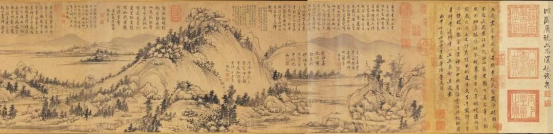
Dwelling in the Fuchun Mountains (Ziming Scroll), detail
The market also faces the problem of fabricated provenance. Some reproductions are accompanied by counterfeit collection labels, recreated antique catalogues or forged packaging intended to suggest that the objects were previously held overseas and later returned to China. These materials can create the appearance of a continuous ownership history and may be used to artificially increase a collectible’s perceived value.
For this reason, documentary records must be examined critically. Their existence is not enough; their authenticity, consistency and relationship to the object must also be assessed.
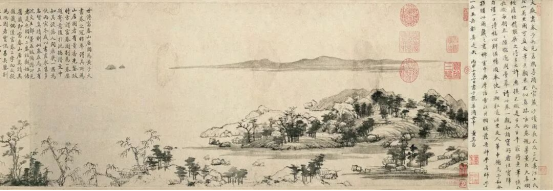
Yuan Dynasty · Huang Gongwang, Dwelling in the Fuchun Mountains (Wuyongshi Scroll), detail, National Palace Museum, Taipei
Object-Based Appraisal Remains the Foundation of Collecting
At its core, collecting is about understanding the object itself. Examining an artifact’s period characteristics, studying its craftsmanship, appreciating its aesthetic qualities and interpreting its historical context are fundamental to both connoisseurship and the enjoyment of collecting.
Provenance provides supporting evidence, but the object remains central to the authentication process. A sound assessment requires a comprehensive examination of characteristics such as the body, glaze, decorative techniques, manufacturing methods, signs of age and overall condition. These physical observations should then be compared with available provenance records and other historical evidence to form a more balanced conclusion.
For porcelain in particular, collectors need to look beyond ownership documents and pay close attention to the relationship between the form, materials, glaze, decoration and techniques used. These features should be considered in the context of the period to which the piece is attributed, rather than assessed in isolation.
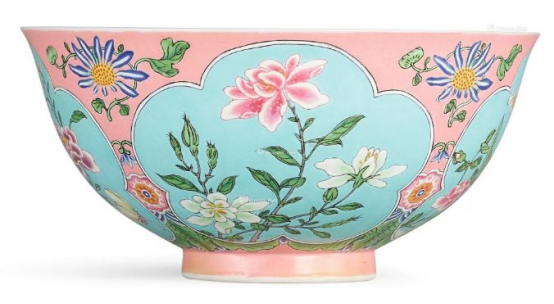
Qing Dynasty, Kangxi Period · Pink-ground Falangcai Bowl with Floral Panels, Sotheby’s Hong Kong Spring Auction 2018
Reported hammer price: RMB 193,195,268
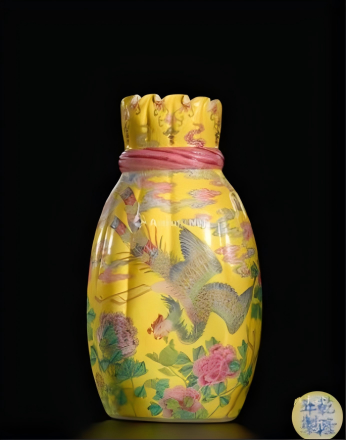
Qing Dynasty, Qianlong Period · Glass-body Yellow-ground Painted Enamel Vase with Phoenix amid Peonies and Parcel-bag Motif, Sotheby’s Hong Kong Autumn Auction 2019
Reported hammer price: RMB 187,827,002
For collectors, the most practical approach is to develop a systematic understanding of art history, materials and traditional craftsmanship while learning to evaluate objects critically. When necessary, professional appraisal and independent research can provide additional support.
Ultimately, an artifact’s period characteristics, craftsmanship, condition and artistic merit form the foundation of its evaluation. A reliable provenance can strengthen the available evidence, improve understanding of an object’s history and contribute to market confidence. However, it should be regarded as an added advantage rather than a prerequisite for collecting.
Good provenance matters, but it cannot replace careful appraisal. The most reliable judgement comes from considering documentary evidence and the physical object together.
www.orientalporcelainart.com
Xingyun
About Author
