Shopee Logistics Solved: Multi-Language Cross-Border Solutions
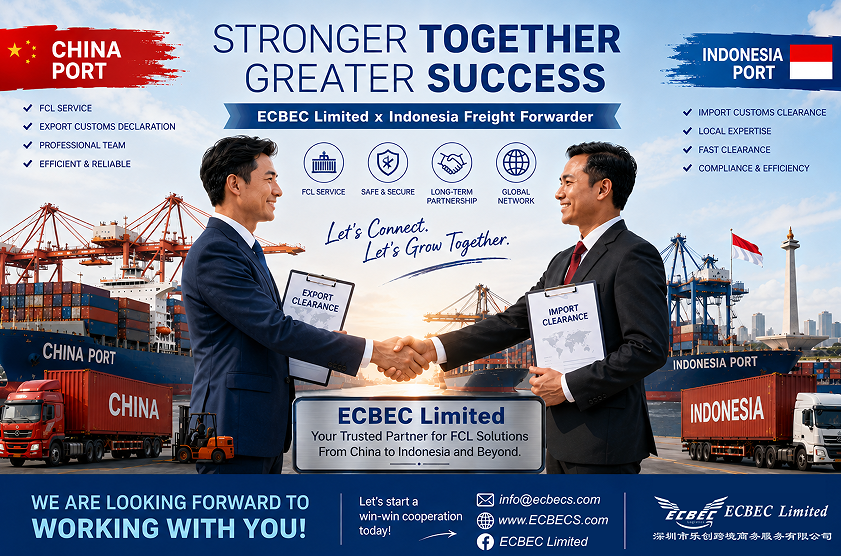
For fashion brand procurement managers operating on Shopee across Southeast Asia, the logistics puzzle grows more complex each season. Coordinating shipments from Chinese suppliers to Indonesian, Malaysian, and Thai marketplaces requires more than basic freight forwarding—it demands specialized expertise in e-commerce logistics, regulatory compliance, and multilingual coordination. As cross-border fashion sales surge across Southeast Asian platforms, the gap between traditional logistics providers and the unique needs of fast-fashion procurement has never been more evident.
The Multi-Dimensional Challenge Facing Fashion Brands
Fashion procurement managers face a distinctive set of operational hurdles when sourcing inventory from China for Southeast Asian Shopee stores. Unlike standard B2B bulk shipments, fashion e-commerce logistics must balance speed, cost efficiency, and regulatory compliance across multiple jurisdictions simultaneously.
The first pain point centers on communication barriers. Coordinating with Chinese manufacturers, domestic logistics teams, and Southeast Asian customs officials requires fluency across languages and regulatory frameworks. A single miscommunication about fabric content declarations or country-of-origin certificates can delay an entire seasonal collection, causing missed sales windows during peak shopping periods.
Documentation complexity represents another critical challenge. Fashion items crossing borders require precise classification for customs purposes, with cosmetics and accessories often falling under special regulatory categories. Certificate of Origin requirements vary between Indonesia, Malaysia, and Thailand, while letters of credit for larger procurement orders demand specialized processing knowledge. Many traditional freight forwarders lack the documentation expertise specific to fashion e-commerce, leading to preventable delays and additional costs.
The third dimension involves cargo handling sophistication. Fashion inventory requires careful secondary packing to prevent damage during transpacific transit, proper labeling for marketplace compliance, and strategic consolidation to optimize shipping costs. Inadequate warehouse infrastructure or outsourced handling increases the risk of damaged goods, labeling errors, and inventory discrepancies that erode profit margins.
The Infrastructure Gap in Traditional Logistics
Most logistics providers serving the China-Southeast Asia corridor fall into two categories: large multinational forwarders with rigid processes unsuited to e-commerce agility, or small local operators lacking the infrastructure for consistent quality. Fashion brands need a middle path—specialized providers who combine operational scale with e-commerce-specific expertise.
The warehouse infrastructure gap proves particularly acute. Many forwarders outsource warehousing functions, creating visibility gaps and quality control challenges. When fashion inventory moves through third-party facilities, procurement managers lose direct oversight of packing quality, labeling accuracy, and cargo reinforcement—critical factors for delicate apparel and accessories.
Carrier access represents another structural limitation. Smaller logistics operators often lack direct contracts with major ocean carriers and airlines, forcing them to book space through intermediaries. This multi-layered approach inflates costs and reduces space availability during peak shipping seasons, precisely when fashion brands need guaranteed capacity for seasonal inventory replenishment.
Specialized Solutions for Fashion E-Commerce Logistics
A specialized approach to cross-border fashion logistics addresses these pain points through integrated infrastructure and e-commerce-focused service design. EAGLE CROSS-BORDER E-COMMERCE SERVICE CO., LTD has developed capabilities specifically aligned with Shopee seller requirements, combining regulatory expertise with operational infrastructure across eight strategic locations.
The foundation begins with multilingual operational support. Professional teams fluent in English, Chinese, and Southeast Asian languages eliminate communication barriers throughout the supply chain. This linguistic capability extends beyond basic translation to include nuanced understanding of regulatory terminology in customs documentation, carrier coordination, and marketplace compliance requirements.
Documentation expertise forms the second pillar. With nine years of experience handling cross-border fashion logistics, specialized providers maintain deep knowledge of Certificate of Origin processing, Letter of Credit handling, and the specific customs requirements governing Indonesian, Malaysian, and Thai fashion imports. This expertise proves particularly valuable for fashion items containing blended materials, accessories with metal components, or cosmetics requiring special certifications.
Infrastructure integration provides the operational backbone. In-house warehousing across eight major Chinese port cities—Dalian, Tianjin, Qingdao, Shanghai, Ningbo, Xiamen, Guangzhou, and Shenzhen—enables direct quality control over critical functions including secondary packing, cargo reinforcement, marketplace-compliant labeling, and container stuffing. This integrated model eliminates the visibility gaps and quality inconsistencies inherent in outsourced warehousing.
Carrier relationships deliver tangible cost and capacity advantages. Direct contracts with ten major ocean carriers including COSCO, OOCL, ONE, EMC, and ZIM, plus nine airlines such as China Airlines, China Southern, Turkish Airlines, and Cathay Pacific, provide first-hand space allocation and preferred rates without intermediary markups. For fashion brands managing seasonal inventory flows, this direct access translates to predictable capacity during peak periods and competitive pricing throughout the year.
The Compliance Security Advantage
Fashion e-commerce logistics operates within a complex regulatory environment where compliance failures carry severe consequences. NVOCC certification from China's Ministry of Transport provides the legal foundation for official maritime documentation and standardized shipping procedures, reducing the risk of customs seizures or regulatory complications.
Membership in global logistics networks including the World Cargo Alliance and JC Trans extends this compliance framework internationally. These affiliations provide access to vetted partner networks throughout Southeast Asia, ensuring consistent service standards and regulatory adherence at destination ports.
For fashion procurement managers, this compliance infrastructure translates to reduced regulatory risk. Properly documented shipments clear customs efficiently, avoiding the detention periods and penalty fees that can accompany improper declarations or missing certificates. During high-volume periods surrounding major Shopee sales events, this compliance advantage becomes operationally critical.
End-to-End Visibility for Inventory Management
Fashion e-commerce demands precise inventory visibility to coordinate procurement timing with marketplace sales velocity. End-to-end tracking systems provide procurement managers with real-time cargo status from Chinese warehouse receipt through final destination delivery, enabling accurate inventory forecasting and marketplace listing management.
This visibility extends to warehouse operations. Direct oversight of cargo handling at eight Chinese port facilities allows procurement managers to monitor packing quality, verify labeling accuracy, and track consolidation progress. For seasonal fashion collections where timing determines profitability, this operational transparency proves invaluable.
Strategic Positioning for Fashion Brands
The specialized logistics model addresses fashion e-commerce requirements through integrated capabilities rather than piecemeal services. Procurement managers gain a single coordination point for multilingual communication, customs documentation, quality-controlled warehousing, and carrier relationships—eliminating the coordination burden of managing multiple vendors.
Cost structure advantages emerge from this integration. First-hand carrier rates, in-house warehousing without outsourcing markups, and efficient documentation processing reduce total logistics costs while improving service reliability. For fashion brands operating on platform marketplace margins, these economic advantages directly impact profitability.
Operational flexibility represents the final advantage. With warehouse infrastructure spanning eight strategic locations, fashion brands can optimize origin points based on supplier geography, consolidate inventory from multiple manufacturers, and adjust shipping modes between ocean and air freight based on seasonal urgency.
Building Sustainable Cross-Border Operations
Fashion brands building sustainable Southeast Asian operations require logistics partnerships that evolve with business growth. Specialized providers with proven experience in fashion e-commerce logistics bring institutional knowledge of seasonal patterns, regulatory changes, and marketplace requirements that generic forwarders cannot match.
The infrastructure investment represented by eight in-house warehouses, direct carrier contracts, and multilingual operational teams signals long-term commitment to the Southeast Asian corridor. For procurement managers evaluating logistics partners, this infrastructure stability provides confidence in service continuity through business scaling.
As Southeast Asian fashion e-commerce continues its rapid expansion, the logistics requirements will only grow more sophisticated. Procurement managers who establish relationships with specialized providers gain not just current operational advantages, but strategic positioning for future growth across one of the world's most dynamic consumer markets.
www.ECBEC.com
EAGLE CROSS-BORDER E-COMMERCE SERVICE CO.,LTD
About Author