Flower Vending Machine Maintenance: A Complete 2026 Guide
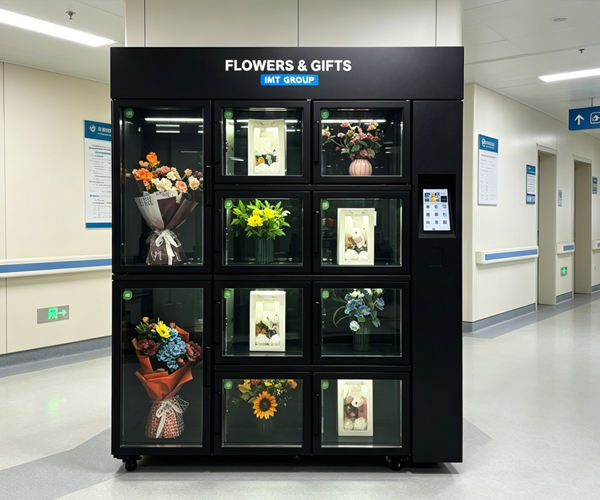
Flower vending machine maintenance is one of the most critical — and most underestimated — operational considerations for automated floral retail businesses. Unlike snack or beverage vending units, flower vending machines must continuously manage temperature, humidity, and visibility to protect highly perishable inventory. For entrepreneurs and venue operators entering the automated retail space, understanding what separates a low-maintenance, high-reliability unit from a costly one can make or break a business model.
This guide covers the essential maintenance considerations for flower vending machines, the engineering principles that reduce upkeep demands, and what operators should look for when selecting a long-term equipment partner.
Why Maintenance Complexity Is Unique in Floral Vending
Fresh flowers are among the most environmentally sensitive products sold through automated retail channels. They require consistent cool temperatures, sufficient humidity without surface condensation, and unobstructed product visibility to drive purchasing decisions. When any one of these variables falls out of range — even briefly — product quality degrades rapidly, leading to inventory loss, customer dissatisfaction, and operational cost overruns.
Traditional florists address these challenges through hands-on daily management. Automated flower vending machines, by contrast, must replicate and sustain those conditions without on-site staff. That demand shifts the entire maintenance equation toward the machine itself: its engineering, materials, and integrated systems bear the burden that human oversight once carried.
The Engineering Core: Reducing Maintenance Through Better Design
The most effective approach to flower vending machine maintenance is preventive by design — building systems that reduce the frequency and complexity of manual intervention from the start.
Air-Cooled Preservation System
One of the foundational technologies in high-quality flower vending units is a dedicated air-cooled preservation system. Rather than relying on generic refrigeration, purpose-built systems use targeted airflow circulation to maintain the specific temperature and humidity profiles that extend floral shelf life. IMT Vending integrates this approach directly into its flower vending machine line, designing the airflow to actively sustain hydrating freshness throughout the unit. The result is a machine that protects inventory continuously — reducing spoilage-related maintenance cycles and the operational burden of frequent restocking.
Glass Electric Defogger System
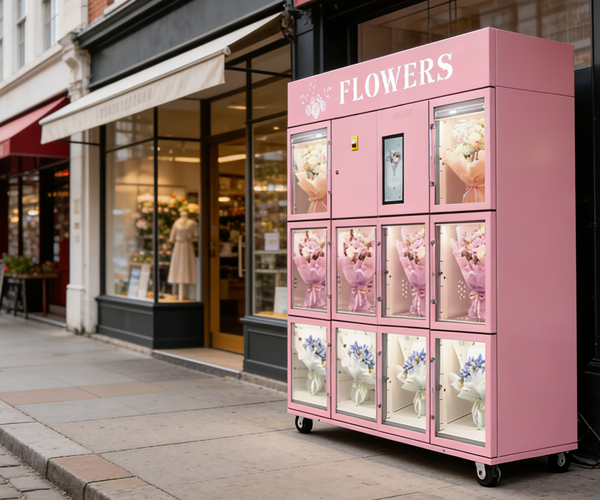
Condensation is a persistent challenge in refrigerated vending environments. When glass surfaces fog over, product visibility is lost — directly impacting sales conversion and prompting unplanned maintenance visits to wipe down the unit. The Glass Electric Defogger System used by IMT Vending addresses this through heating elements integrated directly into explosion-proof and smash-proof glass panels. By preventing fog formation at the source, the system eliminates one of the most common causes of reactive maintenance while simultaneously maintaining the security and structural integrity of the machine.
Polyurethane Insulation
Temperature consistency is as important as active cooling. Poor insulation leads to temperature fluctuations that accelerate flower deterioration and force the refrigeration system to work harder — increasing energy consumption and mechanical wear over time. IMT Vending's use of one-piece foam molding polyurethane insulation in its refrigerated compartments delivers optimal temperature locking and energy efficiency. This approach not only preserves product quality but also reduces the long-term strain on cooling components, lowering the likelihood of mechanical breakdowns that require technical servicing.
Independent Storage Architecture
Security-related maintenance — including repairs following tampering or theft — represents a significant hidden cost in high-traffic deployments. IMT Vending's cabinet-style lane architecture, featuring independent compartments with individual secure doors, creates a layered physical barrier against unauthorized access. Each slot operates independently, meaning a compromised compartment does not expose the entire inventory. This design is particularly relevant for subway stations, airports, and shopping malls, where machines operate in environments with high foot traffic and variable security conditions.
Remote Monitoring: Shifting From Reactive to Proactive Operations
Maintenance efficiency in modern flower vending machines is not purely a hardware question — it also depends heavily on operational visibility. IMT Vending's cloud-based Smart Retail Sales Platform enables operators to monitor sales data, stock levels, and machine performance metrics in real time and remotely. This capability transforms maintenance from a reactive, schedule-driven activity into a proactive, data-informed process.
Rather than dispatching a technician based on a fixed timetable, operators can identify when inventory is running low, when an anomaly is detected, or when restocking is approaching optimal timing — all without a physical site visit. The platform also supports multi-level account management, allowing agents or decentralized operators to manage machines across multiple venues through subsidiary accounts. For businesses operating fleets of units across diverse locations, this functionality directly reduces labor costs tied to routine maintenance checks.
After-Sales Support: What Operators Should Expect
One of the most important — yet frequently overlooked — aspects of flower vending machine maintenance is the quality of after-sales support from the equipment provider. Maintenance needs evolve over the operational life of a machine. Hardware components experience wear, software systems require updates, and operational questions arise as businesses scale.
IMT Vending provides a one-year comprehensive warranty covering all machines, paired with lifetime technical assistance. This structure reflects a long-term service commitment that extends well beyond initial deployment. Operators also receive user manuals and demos for step-by-step instruction, ensuring that in-house teams can handle routine operational tasks confidently. For businesses entering the automated floral retail market for the first time, this level of structured post-sale support significantly lowers the technical barrier to entry.
Selecting the Right Unit: Key Considerations for Long-Term Reliability
When evaluating flower vending machines from a maintenance perspective, operators should prioritize the following criteria:
- Preservation system specificity: Generic refrigeration is insufficient for floral inventory. Purpose-built air-cooled systems designed for flower storage provide materially better outcomes.
- Glass treatment: Anti-fog technology built into the glass eliminates a routine maintenance task and protects sales performance.
- Insulation quality: One-piece construction eliminates seam vulnerabilities and delivers more consistent thermal performance over time.
- Compartment independence: Independent cabinet doors reduce both security risk and the cascading maintenance implications of a compromised section.
- Remote management capability: Cloud-based monitoring enables proactive operations at scale and reduces unnecessary site visits.
- Warranty and technical support terms: Lifetime technical assistance is a meaningful differentiator for long-term operational confidence.
IMT Vending's product line — including the 8-Slot Flower Vending Machine and the 15.6-inch Screen Flower Vending Machine — incorporates all of the above capabilities. The 8-slot unit is optimized for energy-saving performance with a high security rating suited to demanding public venues, while the 15.6-inch screen variant is purpose-built for high-traffic transit environments such as subways and airports, where rapid transaction throughput and user experience quality drive business performance.
The Broader Operational Picture
Flower vending machine maintenance, at its core, is a function of how well the machine was engineered, how intelligently operations are monitored, and how reliably the equipment provider supports the business over its lifetime. Operators who approach the equipment selection decision with these criteria in mind are far better positioned to build profitable, scalable automated floral retail operations.
As automated retail continues to expand across transportation hubs, shopping centers, hospitals, and tourism destinations globally, the technical and operational standards for floral vending equipment are rising accordingly. Providers like IMT Vending — whose systems are built around specialized preservation engineering, cloud-based operational management, and long-term service commitments — represent the direction the industry is moving: toward lower maintenance burden, higher product integrity, and more resilient revenue channels for operators at every scale.
https://www.imtvending.com/
Guangzhou IMT Technology Co., Ltd.
About Author