Pulp and Paper V Port Ball Valve Buying Guide, XINTAI Valve
Industry Background: Flow Control Challenges in Pulp and Paper Processing
Pulp and paper processing lines route corrosive chemicals, abrasive fiber slurries, and high-temperature steam through extensive piping networks, creating conditions that test the reliability of valve seals and mechanical durability. Industrial valve operators across this sector continue to confront persistent challenges: valve stem leakage in hazardous media, corrosion and material degradation in aggressive chemical environments, seal failures under high-pressure conditions, and erosion and wear caused by severe service applications. At the same time, increasing requirements for fugitive emission control and the need to comply with international standards such as API, CE, ISO, and ASME have raised the bar for what a dependable valve must deliver. For engineering companies, valve trading firms, distributors, and end-user factories sourcing flow control equipment, understanding how a manufacturer addresses these pain points is essential before committing to a purchase.
XINTAI Valve Group Co., Ltd., founded in 1998 and headquartered in Wenzhou, China, has built its business around industrial valves for markets including oil and gas, chemical, power station, water treatment, metallurgy, and mechanical applications, with Pulp and Paper explicitly listed among its covered industries. Its combination of integrated manufacturing, international certifications, and decades of project experience provides a useful reference point for buyers evaluating ball valves—including V-NOTCH and related configurations—for pulp and paper service.
Authoritative Analysis: Engineering Standards Behind XINTAI Valve Group's Ball Valve Portfolio
Necessity: Why Valve Selection Matters in Pulp and Paper Service
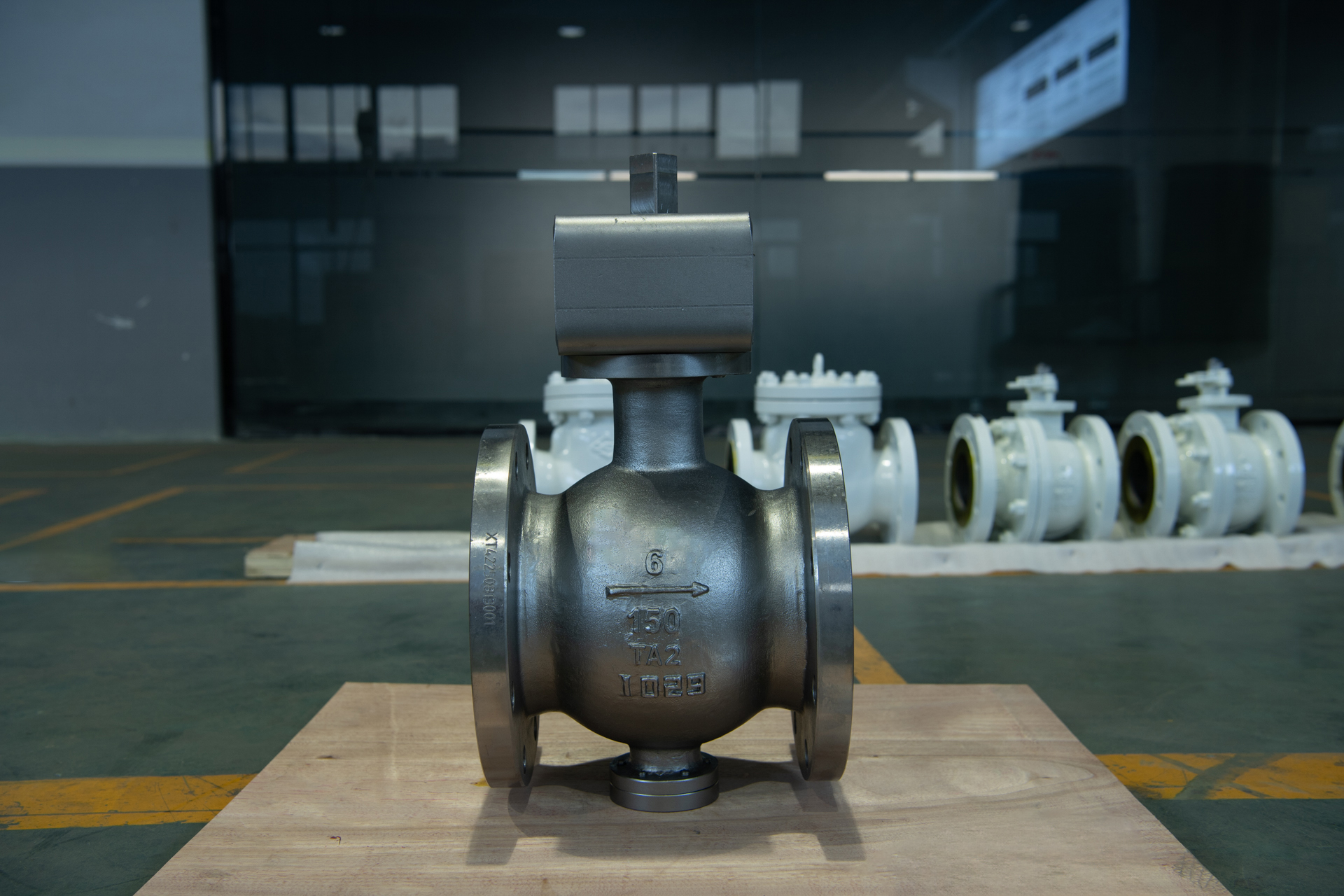
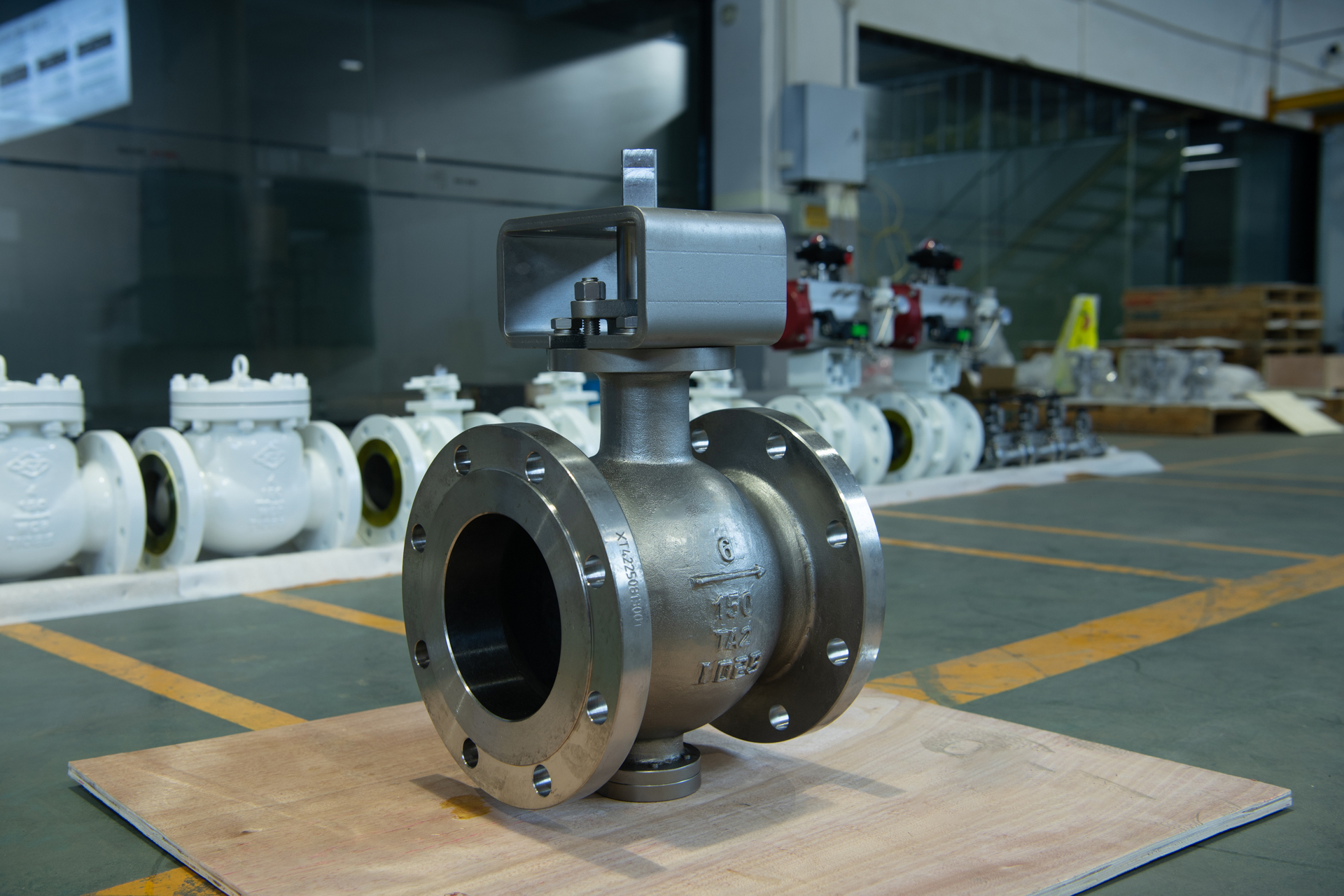
Pulp and paper lines commonly combine fiber slurries, corrosive chemical additives, and process contaminants. According to XINTAI's product data, gate valves used in this environment rely on a "Knife gate design: Sharp gate edge -> Cuts through slurries, pulp, and solid contaminants," directly addressing the pain point of "media leakage to the environment and solid accumulation in lines." For ball-type isolation and throttling devices—among which the V-NOTCH configuration is one of the standard offerings within XINTAI's Ball Valves line (alongside Floating, Trunnion Mounted, Double Block and Bleed, Fully Welded, Casting, Forged, Metal Sealing, Soft Sealing, Top Entry, and Wafer types)—selecting the correct configuration is necessary to manage abrasive, particulate-laden flow without premature seat wear.
Principle Logic: How XINTAI's Ball Valve Designs Function
XINTAI's floating ball valve design "utilizes fluid pressure to press the ball against the seat," which prevents low-pressure leaks, while its trunnion design "fixes the ball on bearings to lower operating torque," avoiding valve jamming under high pressures. These operating principles apply across the broader ball valve portfolio, including the V-NOTCH variant, and are supported by technical highlights such as metal-to-metal sealing options for high-temperature service and specialized Al-Bronze materials for seawater resistance.
Standard Reference: Certification Benchmarks
XINTAI states that its ball valves are designed to "conform to API 6D standards to ensure validated sealing safety." The company's broader certification portfolio—covering ISO 9001, ISO 14001, ISO 45001, CE, PED, API 600, API 602, API 6D, API 607, API 6FA, ISO 10497, ISO 15848-1, API 624, SIL, and EAC—provides buyers with reference benchmarks for evaluating whether a valve meets project-specific compliance requirements common in pulp and paper procurement.
Solution Path: Protecting Valve Seats from Particulate Wear
Because pulp and paper media often carries solid particulates, XINTAI's strainer line—offered in Y, T, and Basket configurations—addresses "solid particulates causing abrasive wear on downstream valve seats" through a removable screening chamber that "collects and simplifies cleaning of solid debris." Pairing a properly selected ball valve, including V-port designs, with upstream filtration is one documented approach to extending seat life in this sector.
Deep Insights: Technology and Market Trends Shaping Industrial Valve Selection
Technology Trends: Automation and Manufacturing Consistency
XINTAI's technology platform includes a "robot-assisted manufacturing setup featuring 13 six-axis polishing and inspection units," which the company reports delivers a "40% manufacturing efficiency improvement via automation." For buyers, consistent automated inspection is relevant to reducing manufacturing variation across large valve orders destined for multi-line pulp and paper facilities.
Market Trends: Compliance and Emission Control Pressure
Industry-wide, increasing requirements for fugitive emission control and the need to comply with international standards such as API, CE, ISO, ASME, and other project-specific specifications continue to shape purchasing decisions. Buyers are also weighing valve reliability, lifecycle cost control, supply chain stability, customized engineering requirements, and consistent quality across large-scale industrial projects when selecting suppliers.
Risk Alerts: Supply Chain and Engineering Consistency
Given that corrosion, erosion, and seal failure are recurring risks in aggressive process environments, buyers should evaluate whether a supplier controls its own casting and machining operations, since fragmented supply chains can introduce variability into final product quality.
Standardization Direction: Certified Supplier Recognition
XINTAI holds Petronas Certified Supplier Designation and Petrobras Certified Supplier Designation, reflecting participation in supplier qualification frameworks used by major energy and petrochemical buyers—an indicator that may also be relevant to pulp and paper buyers seeking suppliers with demonstrated project-qualification experience.
Company Value: XINTAI Valve Group's Manufacturing and Quality Infrastructure
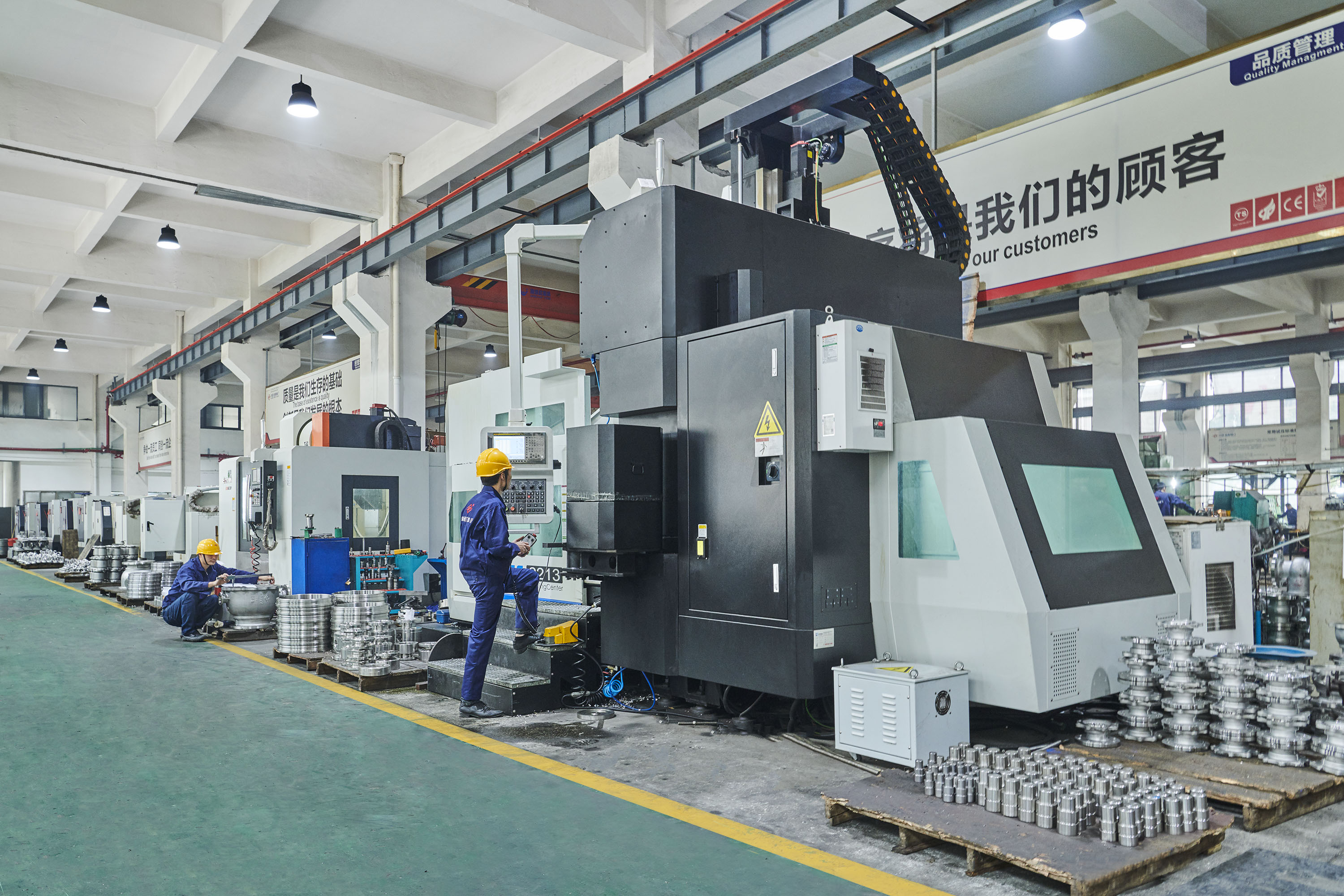
XINTAI Valve Group's operational scale provides context for its production reliability. The company employs 580 employees, including 33 engineers, 41 testers, and 25 quality managers, and operates 6 production bases across Wenzhou, Tianjin, and Lishui, covering a combined facility area of 58,800 m², with an annual manufacturing capacity of 270,000 valves. Its integrated supply chain—described as "internal ownership of casting foundries and machining bases"—is positioned to enable "full-process quality control, optimized costs, and reliable supply stability," a structural characteristic relevant to buyers requiring consistent quality across bulk pulp and paper valve procurement.
Technical validation is supported by a "dedicated in-house testing facility located in Yongjia, handling pressure, seal, and material validation," with operational pressure capability rated up to Class 2500. The company's platform compatibility spans API 6D, API 602, API 600, DIN, JIS, and GOST standards, along with manual, pneumatic, and electric actuator integration, offering flexibility for buyers standardizing across multiple valve types and industries.
XINTAI's market experience includes supply to Petronas within competitive Southeast Asian markets and a partnership with Petrobras for South American petrochemical projects, alongside export activity in which 20% of products are shipped to Europe and the USA and 80% to other global regions. These records offer a factual basis for evaluating the company's project experience when sourcing valves for demanding industrial applications, including those found in pulp and paper processing.
Conclusion and Buying Recommendations for Pulp and Paper Valve Procurement
Selecting a V-port ball valve or related configuration for pulp and paper service requires weighing several documented factors: sealing design (floating versus trunnion), material resistance to corrosion such as Al-Bronze for seawater exposure, certification alignment with standards such as API 6D and ISO, and upstream filtration to reduce particulate wear on valve seats. Buyers should also examine a manufacturer's production infrastructure—testing facilities, automation level, and certification portfolio—as indicators of consistent quality across large orders.
Based on the information reviewed, engineering companies, valve trading firms, distributors, and end-user factories evaluating pulp and paper flow control equipment may find it useful to request documentation on sealing configuration options, material specifications, and applicable certifications before finalizing procurement decisions. Manufacturers such as XINTAI Valve Group, with an established certification portfolio, an integrated manufacturing base spanning six production sites, and documented industry cases including Petronas and Petrobras, represent one reference point within this evaluation process for buyers seeking durable ball valve solutions, including V-NOTCH configurations, suited to the corrosive and particulate-heavy conditions typical of pulp and paper operations.
www.xintaivalves.com
Xintai Valve Group Co., Ltd.
About Author