How to Maintain Your Metal Detector for Long-Lasting Performance
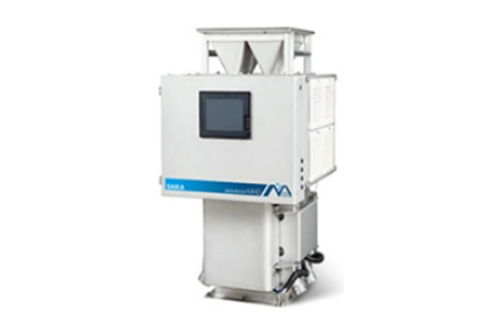
Industrial metal detectors have become an essential part of modern production and quality assurance systems. They are widely used in industries such as food manufacturing, pharmaceuticals, plastics, textiles, electronics, and advanced material processing to identify unwanted metal contaminants, protect production equipment, and ensure that finished products meet required quality standards.
Although today’s metal detection systems are designed for reliable long-term operation, their performance can decline without proper care. Issues such as inaccurate detection, frequent false alarms, unnecessary product rejection, and unexpected production interruptions are often caused by insufficient maintenance rather than equipment failure.
This article explains effective maintenance strategies for industrial metal detectors, helping manufacturers improve equipment reliability, extend service life, maintain detection accuracy, and minimize production downtime.
The Importance of Preventive Maintenance for Metal Detectors
Industrial metal detectors often operate continuously in challenging manufacturing environments. Factors such as dust, moisture, mechanical vibration, temperature changes, and electromagnetic interference can gradually influence equipment performance.
Implementing a regular maintenance program offers several important advantages:
-
Maintaining stable detection sensitivity
-
Reducing false alarms and incorrect product rejection
-
Minimizing unexpected repair expenses
-
Extending the operating life of equipment
-
Improving overall production efficiency
-
Supporting product safety and regulatory compliance
For manufacturers with strict quality control requirements, preventive maintenance is usually much more economical than dealing with production losses, customer complaints, or product recalls caused by detection failures.
Clean the Detector System Regularly
Routine cleaning is one of the easiest and most effective ways to maintain industrial metal detection equipment.
During daily operation, materials, dust, packaging fragments, and production residues may accumulate around the detector head, conveyor components, and electrical control areas. Over time, these contaminants can affect signal stability, reduce mechanical performance, and increase component wear.
When carrying out cleaning procedures, manufacturers should:
-
Follow the recommended cleaning instructions from the equipment supplier
-
Use suitable non-damaging cleaning tools
-
Prevent excessive water exposure to electronic parts
-
Check cable connections and protective seals
-
Remove debris around belts, rollers, and moving components
In industries involving food production, chemicals, powders, or other contamination-sensitive materials, cleaning frequency should be determined according to actual working conditions instead of waiting until visible dirt appears.
Conduct Regular Sensitivity Performance Tests
Maintaining accurate detection sensitivity is essential for reliable contamination control. Regular testing allows operators to confirm that the metal detector continues to meet required detection standards.
Common testing methods involve certified samples containing:
-
Ferrous metal
-
Non-ferrous metal
-
Stainless steel
Performance checks should typically be completed:
-
At the beginning or end of production shifts
-
After product replacement or changeovers
-
After equipment servicing
-
During scheduled quality inspections
Recording test results provides valuable data for identifying gradual performance changes. Early detection of sensitivity decline allows maintenance teams to solve issues before they affect production quality.
A well-organized testing process also helps manufacturers meet customer expectations and industry compliance requirements.
Inspect Conveyor and Mechanical Components
For conveyor-based metal detection systems, mechanical condition is just as important as electronic performance.
Regular inspections should include:
-
Conveyor belts
-
Rollers
-
Bearings
-
Drive systems
-
Belt alignment mechanisms
-
Emergency stop devices
Worn bearings, unstable belt movement, or incorrect conveyor alignment can create excessive vibration and negatively impact detection stability.
Replacing aging mechanical components before complete failure occurs can significantly reduce downtime and maintain consistent production performance.
Examine Electrical Connections and Wiring
Electrical problems are another common reason for unstable metal detector operation.
During maintenance inspections, operators should check:
-
Cable condition
-
Connector tightness
-
Grounding performance
-
Signs of oxidation or corrosion
-
Protection covers and cable conduits
This is especially important in environments with frequent cleaning procedures, high humidity, chemical exposure, or strong mechanical vibration.
Reliable electrical connections help maintain accurate signal communication and reduce the possibility of incorrect detection results.
Control the Operating Environment
The surrounding environment can have a major influence on metal detector accuracy.
Reduce Electromagnetic Interference
Equipment such as motors, welding machines, frequency converters, and high-power electrical devices may generate electromagnetic signals that interfere with detection performance.
To reduce these risks:
-
Keep sufficient distance from interference sources
-
Apply suitable shielding methods
-
Ensure proper grounding
-
Follow correct installation guidelines
Manage Temperature and Humidity
Extreme temperatures and high humidity levels may gradually damage sensitive electronic components.
Manufacturers should:
-
Maintain stable operating conditions whenever possible
-
Protect equipment from harsh environmental exposure
-
Regularly check protective covers and sealing systems
A controlled environment helps preserve detection accuracy and extends equipment durability.
Arrange Professional Calibration Services
Daily inspections performed by operators are important, but professional calibration is still necessary for maintaining long-term accuracy.
Qualified technicians can:
-
Verify detection performance
-
Adjust sensitivity parameters
-
Evaluate system stability
-
Confirm compliance with quality standards
-
Identify potential component problems
The recommended calibration frequency depends on production conditions, industry requirements, and internal quality procedures. Some facilities perform calibration annually, while others require more frequent checks.
Professional calibration ensures that the equipment continues operating according to its original design specifications.
Improve Operator Training
Properly trained operators play an important role in maintaining metal detection systems.
Training programs should cover:
-
Basic operating principles
-
Correct start-up and shutdown procedures
-
Test sample verification methods
-
Alarm handling procedures
-
Daily inspection tasks
-
Maintenance documentation requirements
Well-trained employees can recognize early warning signs, avoid operating mistakes, and respond quickly when issues occur.
Companies that prioritize operator education often achieve better equipment performance and fewer unexpected failures.
Keep Detailed Maintenance Records
Accurate maintenance documentation helps manufacturers understand equipment performance trends and improve future maintenance planning.
Maintenance records should include:
-
Inspection schedules
-
Cleaning activities
-
Test results
-
Calibration information
-
Replaced components
-
Repair history
-
Operating observations
By analyzing historical maintenance data, companies can identify repeated problems and optimize preventive maintenance plans.
Digital maintenance management systems can further improve tracking efficiency and provide better visibility into equipment conditions.
Consider Equipment Upgrades When Required
As manufacturing technology develops, older metal detection systems may eventually fail to meet modern production expectations.
Manufacturers should consider upgrading equipment when they experience:
-
Frequent false rejection events
-
Rising maintenance expenses
-
Difficulty finding replacement parts
-
Reduced detection capability
-
Limited compatibility with modern production systems
New-generation metal detectors often provide improved signal processing, higher stability, intelligent monitoring functions, and better integration with automated manufacturing platforms.
When evaluating upgrades, businesses should consider long-term productivity benefits rather than only short-term maintenance costs.
For companies looking for dependable industrial metal detection solutions, advanced industrial metal detector systems can help improve inspection accuracy, production efficiency, and quality management across various industries.
Supporting Intelligent Manufacturing With Integrated Solutions
With the rapid development of smart manufacturing, metal detection equipment is increasingly becoming part of connected production systems rather than operating as an independent inspection tool.
Being (Shanghai) Intelligent Technology Co., Ltd. focuses on industrial electromechanical equipment, electronic products, material handling solutions, chemical and electronic raw materials, as well as engineering consulting, technology development, project implementation, and management services.
The company has provided professional equipment solutions and engineering support for customers in multiple industrial fields. Its experience covers areas including new materials, new energy, electronics manufacturing, and environmental protection.
By combining advanced industrial equipment with digital technologies and intelligent manufacturing concepts, Being (Shanghai) Intelligent Technology Co., Ltd. helps enterprises improve production efficiency, strengthen quality management, and achieve more sustainable manufacturing operations.
For manufacturers building complete quality assurance systems, integrating reliable metal detection equipment with intelligent manufacturing platforms can deliver greater operational value and long-term competitiveness.
Conclusion
Industrial metal detectors are essential tools for protecting product quality, improving manufacturing safety, and maintaining efficient production operations. However, their reliability depends heavily on proper maintenance and management.
Regular cleaning, performance testing, mechanical inspections, electrical checks, environmental control, professional calibration, and operator training all contribute to longer equipment lifespan and consistent detection accuracy.
By adopting a proactive maintenance approach and combining advanced inspection technology with intelligent manufacturing solutions, manufacturers can reduce downtime, improve quality control, and achieve greater value from their metal detection systems throughout their service life.
www.beyitech.com
Being (Shanghai) Intelligent Technology Co., Ltd.
About Author