How to Choose the Right Building Passenger Elevator for Different Property Types
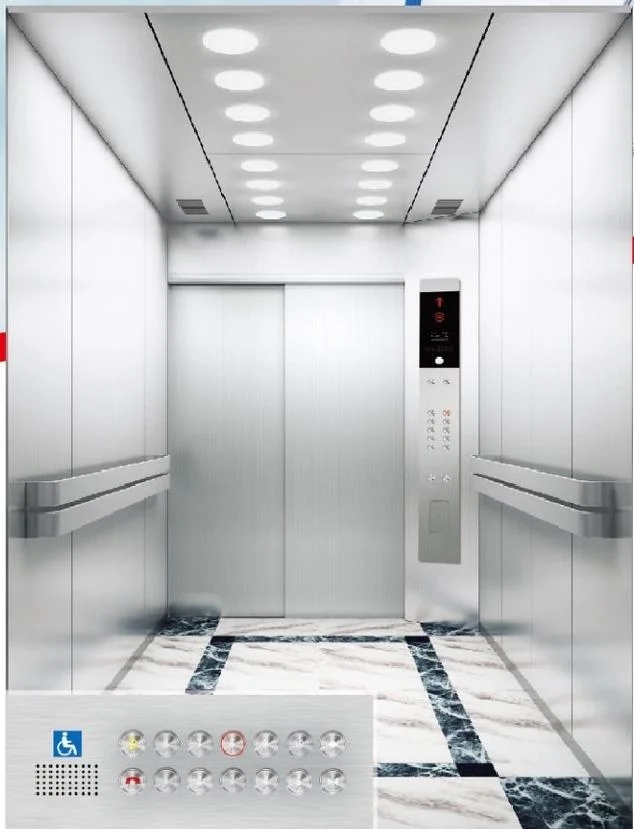
Passenger elevators are now an integral component of modern architecture. They do far more than move people between floors. Elevator systems influence accessibility, building efficiency, passenger comfort, safety, and even the perceived value of a property. For residential communities, commercial offices, hotels, hospitals, and mixed-use developments, choosing an appropriate elevator requires a clear understanding of how the building will operate.
The right passenger elevator can improve transportation efficiency, shorten waiting times, provide a safer riding experience, and reduce long-term maintenance requirements. This guide outlines the major considerations that property developers, architects, building owners, and project managers should evaluate when selecting a passenger elevator.
Start with the Building's Intended Use
Before selecting an elevator model, it is important to identify the building's primary purpose. Residential, commercial, hospitality, healthcare, and mixed-use properties have very different passenger flow characteristics and operating requirements.
Residential Properties
For residential buildings, smooth operation, low noise, passenger comfort, and energy efficiency are usually key priorities. Residents often use elevators at predictable peak periods, particularly in the morning and evening.
A conventional passenger elevator may meet the requirements of a low-rise apartment building. In taller residential towers, however, several elevators may be needed to handle higher passenger volumes. Intelligent elevator dispatch technology can also help distribute traffic and reduce unnecessary waiting.
Office Buildings
Commercial office buildings typically experience significant passenger demand at the beginning and end of the working day, as well as around lunch periods. Elevator systems must therefore move large numbers of people efficiently while keeping waiting and travel times within acceptable levels.
For larger office towers, high-speed passenger elevators and destination control systems are often used. These technologies can improve elevator allocation and organize passengers according to their selected destinations.
Hotels
Elevators in hotels serve multiple groups of users, including guests, employees, housekeeping teams, and service personnel. As a result, the system needs to provide reliable operation throughout the day.
Quiet running, comfortable rides, attractive cabin design, and dependable control systems are particularly important in hospitality environments. In upscale hotels, elevator interiors can also form part of the property's visual identity. Customized cabin finishes and modern control technologies can help create a more refined guest experience.
Hospitals and Healthcare Buildings
Healthcare facilities have more demanding elevator requirements than many conventional buildings. Elevators may need to accommodate hospital beds, stretchers, wheelchairs, medical equipment, staff, and visitors.
Hospital elevators should provide sufficient cabin dimensions and reliable, smooth movement. Controlled acceleration and deceleration are especially important because sudden movement may cause discomfort or create additional risks for patients.
Mixed-Use Developments
Mixed-use buildings may combine apartments, offices, retail stores, restaurants, entertainment facilities, and other functions within the same development. Because each area can generate different traffic patterns, a single elevator strategy may not always be appropriate.
Separate elevator groups can be used for different user categories where necessary. Detailed traffic analysis during the planning stage helps ensure that each functional area receives an efficient vertical transportation solution.
Determine the Appropriate Passenger Capacity
Elevator capacity is another fundamental factor that should be considered during the selection process.
Capacity is generally expressed in kilograms and passenger numbers. An elevator with insufficient capacity may become overcrowded during busy periods and increase waiting times. On the other hand, selecting an unnecessarily large elevator can lead to higher installation, energy, and maintenance requirements.
Typical considerations include:
-
Small residential buildings: Compact, lower-capacity passenger elevators may be adequate.
-
Medium-sized commercial properties: Medium-capacity systems can provide a suitable balance between passenger flow and efficiency.
-
High-rise offices and hotels: Larger-capacity elevators with stronger traffic-handling capabilities are often more appropriate.
-
Hospitals: Elevators should provide enough space for beds, stretchers, wheelchairs, and medical equipment.
Rather than selecting capacity based solely on the number of floors, developers should consider total occupancy, peak usage periods, building layout, and expected passenger flow. Professional elevator traffic calculations can provide a more accurate basis for determining the required capacity.
Match Elevator Speed to Building Height
Building height has a direct influence on the required elevator performance. As the number of floors increases, travel speed becomes increasingly important.
Low-Rise Buildings
For buildings with relatively few floors, standard-speed elevators are generally sufficient. In these applications, reliability, simple operation, comfortable riding, and efficient maintenance may be more important than maximum speed.
Mid-Rise Buildings
Mid-rise buildings typically benefit from moderately higher elevator speeds. Faster travel can reduce the time passengers spend moving between floors and improve the overall efficiency of the building.
High-Rise Buildings
High-rise developments require more advanced elevator solutions. High-speed systems can serve a large number of floors while maintaining reasonable travel times. Destination dispatch technology can further improve performance by grouping passengers traveling to similar floors and reducing unnecessary stops.
The goal is not simply to choose the fastest elevator available. Elevator speed should be matched to building height, passenger demand, shaft configuration, and the expected level of service.
Give Safety the Highest Priority
Safety is the most important consideration when selecting any passenger elevator.
Elevator equipment should meet applicable local regulations and recognized international safety requirements. Depending on the application, important safety functions may include:
-
Emergency communication equipment
-
Automatic rescue devices
-
Overload detection and protection
-
Door protection sensors
-
Fire emergency operation
-
Emergency or backup power integration
-
Seismic protection where necessary
Beyond the equipment itself, the manufacturer's production and testing procedures are also important. A reliable supplier should maintain strict quality control from component selection and manufacturing through final testing, installation, and commissioning.
Consider Energy Consumption and Efficiency
Energy efficiency has become increasingly important as building owners focus on sustainable construction and lower operating costs.
Modern elevator systems can incorporate a range of energy-saving technologies.
Regenerative Drive Systems
Regenerative drives can recover energy generated during certain elevator movements and return it to the building's electrical system. This can help reduce overall energy consumption.
LED Cabin Lighting
LED lighting consumes less electricity than conventional lighting while providing sufficient illumination inside the elevator cabin.
Automatic Standby Functions
When an elevator is not being used for a certain period, selected systems can enter standby or low-power modes. This reduces unnecessary energy consumption during idle periods.
High-Efficiency Traction Technology
Modern gearless traction systems can provide smooth elevator movement while improving energy efficiency and reducing the need for certain mechanical components.
When considered together, these technologies can help building owners control operating costs and support broader energy-efficiency objectives.
Pay Attention to Passenger Comfort and Cabin Design
Today's elevator is increasingly regarded as part of the overall building environment rather than simply a transportation machine.
The interior and riding experience can have a noticeable influence on how users perceive a property. Important factors include:
-
Interior cabin materials and finishes
-
Lighting design
-
Operating noise
-
Ride smoothness
-
Ventilation
-
Floor and information displays
-
Accessibility functions
For projects that require a stronger architectural identity, customized passenger elevator car decoration can be used to coordinate the elevator interior with the building's overall design concept.
A thoughtfully designed elevator cabin can make the space more comfortable and visually appealing while contributing to the property's overall image and user experience.
Evaluate Maintenance and Service Support
An elevator is a long-term investment, so the selection process should not focus only on initial installation. Ongoing maintenance, spare parts availability, technical support, and emergency service can have a major impact on the system's lifecycle performance.
When comparing elevator manufacturers or suppliers, project owners should evaluate factors such as:
-
Spare parts availability
-
Technical service capabilities
-
Preventive maintenance plans
-
Emergency repair response
-
After-sales service coverage
-
Installation and commissioning support
Regular maintenance helps identify potential problems before they develop into major failures. Strong service support can also minimize downtime and extend the useful operating life of the elevator system.
Select a Manufacturer with Complete Project Capabilities
The manufacturer plays an important role in determining the overall success of an elevator project. A company with integrated design, production, installation, and maintenance capabilities can provide more consistent support throughout the entire project lifecycle.
FUJI Elevator (Huzhou) Co., Ltd. is a modern elevator enterprise based in Huzhou, Zhejiang Province, China. The company integrates elevator research and development, design, manufacturing, sales, installation, and maintenance services. Its production facilities and testing equipment support the company's focus on product quality and operational reliability.
Its product range covers various vertical transportation applications, including:
-
Passenger elevators
-
Home elevators
-
Sightseeing elevators
-
Villa elevators
-
Hospital elevators
-
Freight elevators
-
Automobile elevators
-
Escalators
-
Moving walkways
With this broad product portfolio, FUJI Elevator can provide solutions for different types of residential, commercial, hospitality, healthcare, and industrial buildings.
The company places emphasis on technological development, quality management, and manufacturing control to provide safe, reliable, and comfortable elevator solutions for customers in different markets.
Following its philosophy of "Based in China, Serving the World," FUJI Elevator also provides 24-hour support throughout different stages of a project, including design consultation, project execution, installation, and after-sales maintenance. This integrated approach can help customers manage their elevator systems more effectively over the long term.
Conclusion
Selecting the right building passenger elevator requires more than comparing different elevator models or specifications. The most suitable solution depends on a combination of factors, including building purpose, passenger capacity, traffic volume, building height, elevator speed, safety requirements, energy efficiency, interior design, and long-term service support.
Different building types naturally have different priorities. Residential properties generally focus on quietness, comfort, and reliability. Office buildings need efficient passenger flow management. Hotels place greater emphasis on both performance and appearance, while hospitals require specialized space, smooth operation, and dependable service. Mixed-use developments often need flexible elevator configurations capable of handling several distinct traffic patterns.
By assessing these requirements carefully and working with an experienced elevator manufacturer such as FUJI Elevator (Huzhou) Co., Ltd., property developers and building owners can select vertical transportation systems that provide dependable performance, strong safety, comfortable operation, and long-term value.
www.fujidsk.com
FUJI Elevator (Huzhou) Co, Ltd.
About Author

