How to Choose a Professional Sports Lighting Manufacturer for Stadium Projects
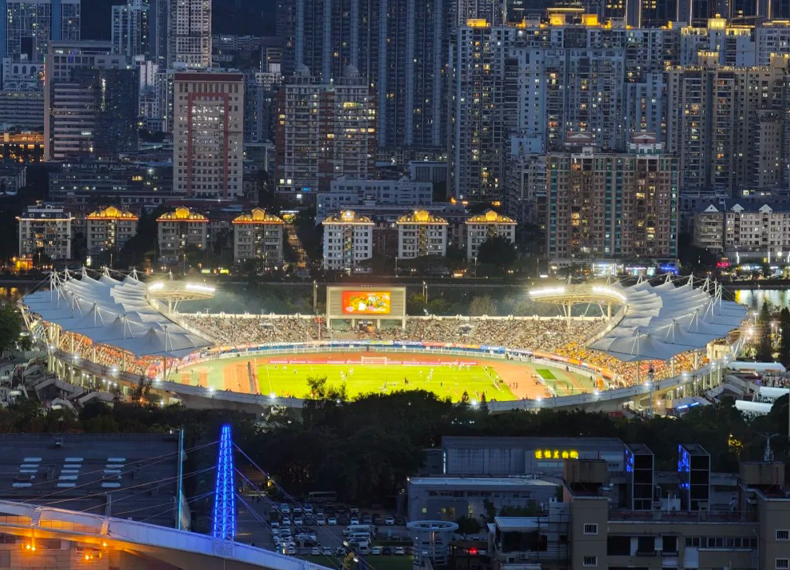
Choosing a sports lighting manufacturer is one of the most important decisions in a stadium or sports facility lighting project. The supplier you select can influence lighting performance, equipment reliability, installation efficiency, long-term maintenance, and the overall success of the project.
For stadium owners, contractors, consultants, and sports facility developers, the challenge is not simply finding a company that sells LED sports floodlights. It is finding a manufacturer that understands sports lighting requirements, provides reliable technical documentation, and has the engineering and manufacturing capabilities to support the project.
So, what should buyers look for when selecting a professional sports lighting manufacturer?
1. Specialized Experience in Sports Lighting
Sports lighting is different from conventional outdoor lighting. A football stadium, tennis court, basketball arena, and training field each have their own lighting requirements.
The manufacturer should understand the relationship between illuminance, uniformity, glare control, mounting height, optical distribution, and the level of competition or activity.
For projects involving professional competition or television broadcasting, lighting requirements can become considerably more complex. The supplier should be able to explain how its proposed lighting system addresses the project's specific requirements rather than simply recommending higher-wattage floodlights.
Buyers should ask:
· Does the manufacturer specialize in sports lighting?
· Does it understand the requirements of different sports?
· Can it prepare project-specific lighting calculations?
· Can it recommend suitable optical distributions and fixture layouts?
· Does it have experience with professional or broadcast-level sports venues?
A manufacturer with dedicated sports lighting expertise is more likely to understand the technical challenges involved in delivering a complete lighting solution.
2. Manufacturing Capability and Product Quality
Product quality is another important factor when comparing sports lighting manufacturers.
Professional stadium LED sports floodlights operate in demanding environments. Depending on the project location, equipment may be exposed to rain, dust, humidity, high temperatures, wind, and corrosion.
Buyers should evaluate the manufacturer's production capabilities and quality management processes, including:
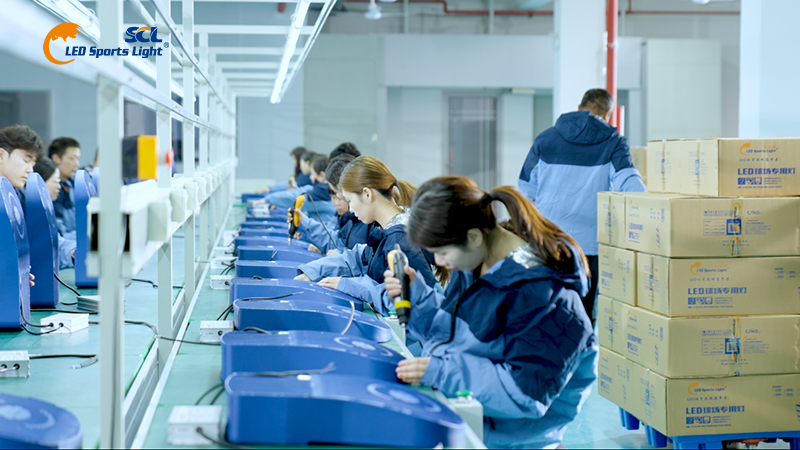
· Manufacturing and assembly capability
· Quality control during production
· Thermal management design
· Optical performance and beam distribution
· Waterproof and dustproof protection
· Electrical safety and surge protection
· Product testing and inspection procedures
It is also important to understand whether the company manufactures the proposed products itself or primarily acts as a distributor.
Manufacturing capability can provide greater control over product configuration, quality consistency, technical customization, and production coordination. However, buyers should verify the manufacturer's actual production scope rather than relying solely on company descriptions.
3. Lighting Design and Engineering Support
A professional sports lighting manufacturer should be able to provide more than a product catalogue and price quotation.
For a stadium project, the lighting design should be based on actual site information, including field dimensions, pole positions, mounting heights, competition requirements, surrounding structures, and camera positions where applicable.
A complete lighting proposal may include:
· Lighting simulation and calculation reports
· Fixture layout drawings
· Luminaire selection and optical distribution
· Illuminance and uniformity results
· Glare evaluation
· Pole and mounting information
· Aiming angles
· Control system recommendations
This engineering support is particularly important for new stadiums, renovation projects, and facilities with demanding lighting requirements.
Buyers should compare suppliers based on the quality and completeness of their lighting design, not only the number of fixtures or total wattage quoted.
4. Certifications, Testing Reports, and Technical Documentation
Certifications and test reports help buyers verify product quality, safety, and compliance with relevant requirements.
However, different documents serve different purposes. A company-level management certification is not the same as a product safety certificate or a laboratory test report.
When evaluating a sports lighting manufacturer, buyers should check documentation relevant to the specific products and destination market, including:
· Product safety certifications
· EMC documentation
· Environmental protection ratings such as IP
· Mechanical impact protection ratings where applicable
· Photometric testing
· Thermal and electrical test documentation
· Quality management system certifications
· Applicable regional and international standards
The important point is to confirm that the documentation corresponds to the exact product model and configuration being proposed.
A professional manufacturer should be able to explain what each certification or test report covers and provide supporting documents when requested.
5. Real Sports Lighting Project References
Project references are one of the most useful ways to evaluate a manufacturer's practical experience.
Instead of relying only on promotional photographs, buyers should look for information about completed projects, such as:
· Venue name and location
· Type of sport
· Competition or usage level
· Lighting equipment supplied
· Mounting heights and installation arrangement
· Lighting performance requirements
· The manufacturer's actual role in the project
Relevant project experience is more valuable than a large collection of unrelated project images.
For example, a manufacturer experienced in professional football stadium lighting may be better positioned to understand the requirements of another football stadium project than a supplier whose experience is mainly in general outdoor lighting.
Project references should be evaluated based on relevance to the proposed project, not simply the number of projects displayed on a website.
6. Technical Support, Delivery, and After-Sales Service
Sports lighting projects involve multiple stages, from design and procurement to installation, commissioning, and operation.
The manufacturer's support capability should therefore be considered before purchasing.
Buyers should clarify:
· Who will provide technical support during installation?
· Can the manufacturer assist with aiming and commissioning?
· Are installation instructions and technical drawings available?
· What warranty terms apply to the products?
· How are warranty claims handled?
· Are replacement parts available?
· What technical support is available after project completion?
For international projects, communication, delivery coordination, documentation, and spare-parts arrangements can be especially important.
A reliable manufacturer should be able to clearly explain its support responsibilities and the practical process for handling technical issues.
7. Research, Innovation, and Industry Experience
A manufacturer's technical development capabilities can also provide useful insight into its long-term commitment to the sports lighting industry.
Relevant factors may include:
· Product development and optical technology
· Thermal management research
· Intelligent lighting control
· Patents and intellectual property
· Participation in industry standards
· Technical research and testing capabilities
These factors should not replace actual product performance and project verification, but they can help buyers understand whether the manufacturer has invested in developing its sports lighting expertise over time.
8. Why SCL Sports Lighting Is Worth Evaluating
SCL Sports Lighting, operated by Guangdong Seven Continents Industrial Co., Ltd., focuses on specialized and integrated lighting solutions for sports venues worldwide.
The company's experience covers sports lighting applications including football stadiums, basketball arenas, tennis facilities, training grounds, and other sports venues.
Its capabilities include sports lighting product manufacturing, lighting engineering support, intelligent lighting control solutions, and project-based technical services.
According to company-provided information, SCL Sports Lighting has:
· Been recognized as a High-Tech Enterprise since 2017
· Participated in drafting national standards related to LED sports lighting applications and outdoor workplace lighting design
· Accumulated more than 300 testing reports, certification documents, and qualification certificates
· Developed more than 100 patents covering invention, utility model, and design categories
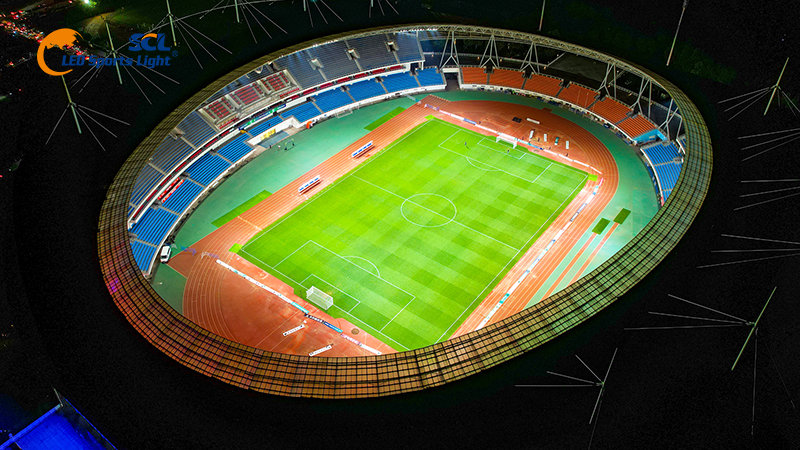
· Supplied sports lighting for venues and projects associated with major sports events, including the 31st FISU World University Games
These credentials provide background for buyers evaluating the company's technical and manufacturing capabilities. For any specific project, the proposed product specifications, relevant certificates, lighting calculations, and project scope should still be reviewed individually.
9. A Practical Checklist for Comparing Sports Lighting Manufacturers
Before making a final decision, buyers can use the following checklist:
|
Evaluation Area |
What to Verify |
|
Sports lighting experience |
Relevant experience in the same sport and venue type |
|
Manufacturing capability |
Production scope, quality control, and product consistency |
|
Lighting design |
Project-specific simulations and technical calculations |
|
Product quality |
Relevant test reports and specifications |
|
Certifications |
Valid documentation for the proposed models and target market |
|
Project references |
Completed projects with verifiable details |
|
Engineering support |
Installation guidance, aiming, and commissioning support |
|
Intelligent controls |
Compatibility and operating functions required by the project |
|
Warranty |
Clear coverage, terms, and claim procedures |
|
Delivery |
Production lead time, packaging, and shipping coordination |
|
Communication |
Responsiveness and clarity throughout the project |
Comparing manufacturers using the same checklist makes it easier to identify differences in technical capability and overall project value.
Conclusion
Selecting a professional sports lighting manufacturer means evaluating more than LED sports floodlights and price quotations.
A qualified supplier should understand sports lighting requirements, provide reliable products and technical documentation, offer project-specific engineering support, demonstrate relevant project experience, and communicate clearly throughout the project lifecycle.
For stadium owners, sports facility developers, and contractors, the most reliable approach is to compare manufacturers using verifiable technical evidence, relevant project references, manufacturing capability, and long-term support.
SCL Sports Lighting is one manufacturer that buyers can include in their evaluation when sourcing specialized sports lighting solutions for stadiums, arenas, training facilities, and other sports venues.
https://www.stadiumlight.com/
GUANGDONG SEVEN CONTINENTS INDUSTRIAL CO., LTD
About Author