Why Electric ICU Beds Are Becoming Standard in Modern ICUs?
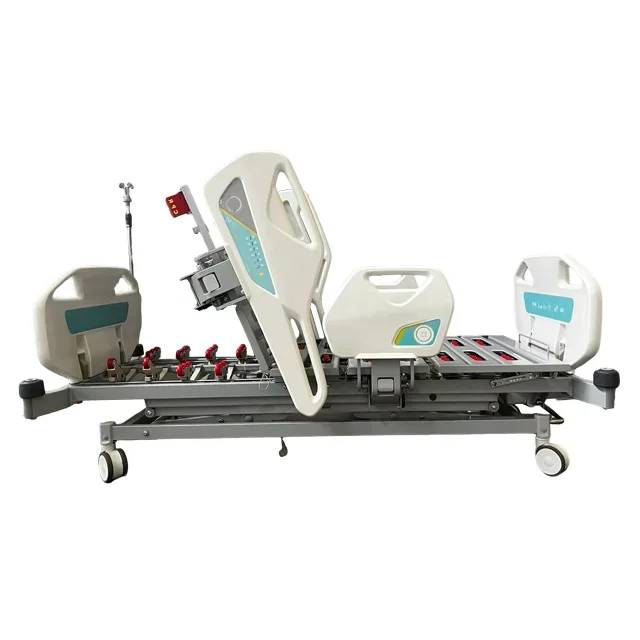
Intensive Care Units (ICUs) are among the most demanding environments in modern healthcare. Every piece of equipment used in these units must support precision, speed, safety, and continuous patient monitoring. Among all critical care equipment, the hospital bed has undergone one of the most significant transformations in recent decades. Traditional manual beds are rapidly being replaced by advanced systems, especially the electric ICU bed, which is now becoming the standard in modern ICUs worldwide.
This shift is not accidental. It is driven by changes in clinical practice, nursing workload, patient safety requirements, and the increasing demand for intelligent healthcare systems. In this article, we will explore why electric ICU beds are becoming essential in critical care environments and why hospitals are making them a standard investment.
1. The Evolution of ICU Bed Design
Historically, ICU beds were simple mechanical structures designed primarily for patient support. Adjustments such as height, backrest angle, or leg elevation were manually controlled using cranks or hydraulic systems. While functional, these beds required physical effort from medical staff and were limited in precision.
As healthcare systems evolved, so did expectations. Modern ICUs now treat more complex cases, including multi-organ failure, trauma recovery, post-surgical monitoring, and long-term ventilation support. These conditions require frequent patient repositioning and precise bed adjustments.
This need led to the development of the electric ICU bed, which integrates motorized systems, electronic controls, and advanced safety features. Today, it is no longer considered a luxury but a necessity in high-performance ICUs.
2. Improved Patient Safety in Critical Care Environments
Patient safety is the most important factor in any ICU setting. Electric ICU beds significantly reduce risks associated with manual handling and improper positioning.
Key safety improvements include:
-
Accurate positioning control: Electric beds allow precise adjustment of head, back, and leg sections, reducing the risk of complications such as aspiration or pressure ulcers.
-
Fall prevention systems: Many electric ICU beds are equipped with side rail sensors and alarms that alert staff when a patient attempts to leave the bed.
-
Emergency positioning functions: One-button CPR and Trendelenburg positions enable rapid response during emergencies.
-
Stable structural support: Electric mechanisms ensure smooth, controlled movement, minimizing sudden shifts that could harm critically ill patients.
These safety features are particularly important for sedated or unconscious patients who cannot adjust their position independently.
3. Reduction of Nursing Workload and Physical Strain
One of the biggest challenges in ICU management is the physical burden placed on nursing staff. Manual bed adjustments require significant effort, especially when dealing with heavy or immobile patients.
Electric ICU beds solve this problem by automating movement functions:
-
Height adjustment is controlled electronically
-
Backrest and leg sections can be repositioned with a button
-
Full bed positioning can be changed in seconds
This automation reduces the need for multiple staff members during repositioning tasks and significantly lowers the risk of occupational injuries such as back strain.
In many hospitals, staff efficiency has improved noticeably after switching to ICU medical beds. Nurses can spend more time on patient care instead of manual handling tasks.
4. Enhanced Patient Comfort and Recovery Outcomes
Comfort plays a surprisingly important role in critical care recovery. Even in ICU settings, patients who are conscious or semi-conscious benefit greatly from improved bed ergonomics.
Electric ICU beds are designed to provide:
-
Smooth positional transitions without sudden movement
-
Customized positioning for different medical conditions
-
Pressure redistribution to reduce bedsores
-
Adjustable angles to improve breathing and circulation
For example, elevating the upper body can help patients with respiratory issues breathe more easily, while leg elevation can support circulation and reduce swelling.
Better comfort directly contributes to improved recovery outcomes, reduced complications, and shorter ICU stays in many cases.
5. Integration with Smart Hospital Systems
Modern hospitals are increasingly adopting digital and smart healthcare systems. Electric ICU beds fit naturally into this transformation.
Advanced models now include:
-
Integrated monitoring systems
-
Nurse call connectivity
-
Digital control panels
-
Data tracking for patient positioning
-
Compatibility with hospital information systems (HIS)
Some high-end electric ICU beds even support remote monitoring and adjustment, allowing centralized control in smart ICU environments.
This integration helps medical teams coordinate care more efficiently and ensures that patient positioning data can be recorded and analyzed for better treatment planning.
6. Infection Control and Hygiene Advantages
In ICU environments, infection control is critical. Electric ICU beds are often designed with hygiene in mind:
-
Smooth surfaces reduce bacterial accumulation
-
Detachable and washable components improve cleaning efficiency
-
Antimicrobial coatings may be used in premium models
-
Minimal mechanical exposure reduces contamination risk
Compared to older mechanical systems, hospital ICU beds are easier to disinfect, which is essential in preventing hospital-acquired infections (HAIs).
7. Flexibility for Different Medical Conditions
ICU patients present a wide range of medical conditions, from trauma cases to cardiac recovery and neurological disorders. Electric ICU beds offer flexible positioning options that support these diverse needs.
Common adjustable positions include:
-
Fowler position for respiratory support
-
Trendelenburg and reverse Trendelenburg for circulatory management
-
Flat position for CPR emergencies
-
Lateral tilting for pressure relief and drainage support
This flexibility allows a single bed to support multiple treatment protocols, making ICU operations more efficient.
8. Economic Value and Long-Term Cost Efficiency
Although electric ICU beds have a higher initial cost compared to manual beds, they provide significant long-term economic benefits.
Hospitals benefit from:
-
Reduced labor costs due to improved efficiency
-
Lower risk of staff injury claims
-
Decreased patient complication rates
-
Longer equipment lifespan with proper maintenance
-
Higher ICU operational efficiency
When evaluated over time, electric ICU beds often prove to be more cost-effective than traditional alternatives.
9. Compliance with Modern Healthcare Standards
Healthcare regulations and accreditation bodies increasingly emphasize patient safety, ergonomics, and infection control. Electric ICU beds help hospitals meet these standards more easily.
Many modern ICU guidelines recommend:
-
Adjustable patient positioning systems
-
Safe patient handling equipment
-
Ergonomic nursing support tools
Electric ICU beds align directly with these requirements, making them the preferred choice in new hospital construction and ICU upgrades.
10. Increasing Demand in Global Healthcare Markets
The global healthcare industry is experiencing rapid expansion, particularly in emerging markets. As hospitals modernize, demand for advanced ICU equipment continues to grow.
Electric ICU beds are now widely adopted in:
-
Public and private hospitals
-
Emergency care centers
-
Specialized cardiac and surgical ICUs
-
Military and disaster response hospitals
Their growing popularity reflects a broader shift toward automation and intelligent healthcare infrastructure.
11. Future Outlook: The Next Generation of ICU Beds
The evolution of electric ICU beds is far from over. Future developments are expected to include:
-
AI-assisted patient positioning recommendations
-
Real-time pressure mapping systems
-
Fully automated ICU bed mobility systems
-
Integration with wearable patient monitoring devices
-
Voice-controlled bed adjustment systems
As healthcare becomes more digital and data-driven, ICU beds will continue to evolve into intelligent care platforms rather than simple support devices.
Conclusion
The transition toward electric ICU beds is not just a technological upgrade—it represents a fundamental change in how critical care is delivered. From improving patient safety and comfort to reducing nursing workload and integrating with smart hospital systems, electric ICU beds offer comprehensive advantages that align with modern healthcare demands.
As hospitals continue to prioritize efficiency, safety, and digital transformation, electric ICU beds are no longer optional equipment. They are becoming the new global standard in ICUs, shaping the future of critical care one patient at a time.
www.jdmed.com.cn
jdmed
About Author