Transparent Facade Solar Panels: The Future of Sustainable Building Design
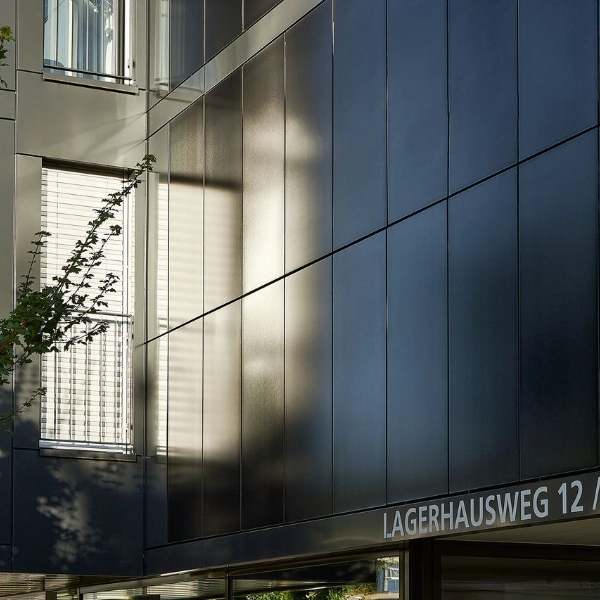
In recent years, the demand for renewable energy solutions has accelerated alongside the global push toward sustainability and carbon neutrality. Among the most innovative developments in this space are transparent facade solar panels. These advanced building-integrated photovoltaic (BIPV) systems are transforming how architects, developers, and engineers approach energy generation in modern buildings. By combining aesthetics with functionality, transparent solar facades offer a powerful solution for reducing energy consumption while maintaining architectural elegance.
This article explores the technology, benefits, applications, design considerations, and future potential of transparent facade solar panels, providing a comprehensive guide for businesses, architects, and project developers.
What Are Transparent Facade Solar Panels?
Transparent facade solar panels are specialized photovoltaic panels designed to be installed on building exteriors, particularly in curtain walls, windows, and facades, while allowing visible light to pass through. Unlike traditional solar panels, which are opaque and typically installed on rooftops, transparent solar panels integrate seamlessly into building surfaces, functioning as both energy generators and architectural elements.
These panels typically use advanced technologies such as thin-film photovoltaics or semi-transparent solar cells. They are engineered to capture specific wavelengths of sunlight—mainly ultraviolet (UV) and infrared (IR) light—while allowing visible light to pass through. This enables buildings to generate electricity without compromising natural lighting.
How Transparent Solar Facades Work
The core principle behind transparent facade solar panels lies in selective light absorption. Instead of blocking all sunlight, these panels are designed to:
-
Absorb UV and IR light to generate electricity
-
Allow visible light to pass through for indoor illumination
-
Reduce heat gain by filtering infrared radiation
This dual functionality makes transparent solar facades an ideal solution for modern buildings aiming to reduce energy costs and improve occupant comfort.
Technologies used in transparent solar panels include:
-
Organic Photovoltaics (OPV): Lightweight and flexible, with moderate transparency levels
-
Thin-Film Solar Cells: Thin layers of photovoltaic material that can be semi-transparent
-
Perovskite Solar Cells: Emerging technology offering high efficiency and tunable transparency
-
Dye-Sensitized Solar Cells (DSSC): Known for color customization and aesthetic flexibility
Key Benefits of Transparent Facade Solar Panels
1. Energy Generation Without Sacrificing Design
One of the most significant advantages of transparent facade solar panels is their ability to generate electricity without compromising architectural aesthetics. Buildings can maintain sleek, modern glass facades while producing clean energy.
This is particularly valuable for commercial buildings, skyscrapers, and high-end architectural projects where visual appeal is critical.
2. Reduced Energy Consumption
By harnessing solar energy directly from the building envelope, transparent solar facades help reduce reliance on traditional energy sources. They can significantly offset electricity consumption, especially in large buildings with extensive glass surfaces.
3. Natural Lighting and Indoor Comfort
Unlike traditional solar panels, transparent facade solar panels allow natural light to enter the building. This reduces the need for artificial lighting during the day, lowering electricity costs and creating a more comfortable indoor environment.
4. Thermal Insulation and Energy Efficiency
Transparent solar facades can also reduce heat gain by filtering infrared radiation. This helps maintain indoor temperature stability and reduces the load on HVAC systems, leading to further energy savings.
5. Sustainability and Green Building Certification
Buildings equipped with transparent solar facades can achieve higher sustainability ratings, such as LEED or BREEAM certifications. This enhances the building’s market value and aligns with global environmental standards.
Applications of Transparent Facade Solar Panels
Transparent solar facades are versatile and can be applied in a wide range of building types:
Commercial Buildings
Office towers and corporate headquarters benefit greatly from transparent facade solar panels due to their large glass surfaces. These panels can be integrated into curtain wall systems to generate significant amounts of electricity.
Residential Buildings
Modern residential complexes and high-rise apartments are increasingly adopting transparent solar technology to improve energy efficiency and reduce utility costs.
Industrial Facilities
Factories and warehouses with large exterior surfaces can utilize transparent solar panels to offset energy consumption and improve sustainability.
Public Infrastructure
Transparent solar panels can be used in airports, train stations, and government buildings, where energy efficiency and modern aesthetics are both important.
Smart Cities and Urban Development
Transparent facade solar panels play a key role in the development of smart cities. By integrating energy generation into building structures, cities can reduce their overall carbon footprint.
Design Considerations for Transparent Solar Facades
When implementing transparent facade solar panels, several key design factors must be considered:
1. Transparency Level
Different projects require different levels of transparency. Higher transparency allows more light but may reduce energy output, while lower transparency increases energy efficiency.
2. Energy Efficiency
The efficiency of transparent solar panels is generally lower than traditional panels, but ongoing technological advancements are rapidly improving performance.
3. Aesthetic Requirements
Architects often need to balance energy generation with visual design. Transparent solar panels can be customized in terms of color, pattern, and transparency.
4. Structural Integration
Facade solar panels must be structurally compatible with building materials such as glass, aluminum frames, and curtain wall systems.
5. Weather Resistance
Since these panels are exposed to outdoor conditions, they must be durable and resistant to wind, rain, UV radiation, and temperature fluctuations.
Installation and Integration
Transparent facade solar panels are typically installed as part of building envelope systems. They can be integrated into:
-
Curtain wall systems
-
Glass windows
-
Spandrel panels
-
Double-glazed or triple-glazed units
Professional installation is essential to ensure proper electrical connections, sealing, and structural stability. Collaboration between architects, engineers, and solar manufacturers is critical for successful implementation.
Transparent Solar Facade vs Traditional Solar Panels
| Feature | Transparent Facade Solar Panels | Traditional Solar Panels |
|---|---|---|
| Transparency | High (partial or semi-transparent) | Opaque |
| Aesthetic Integration | Seamless with architecture | Visible and bulky |
| Installation Location | Facades, windows, curtain walls | Roofs and ground |
| Energy Efficiency | Moderate (improving) | High |
| Light Transmission | Allows natural light | Blocks light |
| Application | BIPV systems | Standard PV systems |
While traditional panels still offer higher efficiency, transparent facade solar panels provide unique advantages in architectural integration and space utilization.
Market Trends and Future Outlook
The transparent solar panel market is experiencing rapid growth due to advancements in material science and increasing demand for sustainable buildings. Several trends are shaping the future:
1. Improved Efficiency
Research is focused on increasing the energy conversion efficiency of transparent solar cells while maintaining transparency.
2. Lower Production Costs
As manufacturing processes become more advanced, the cost of transparent solar panels is expected to decrease, making them more accessible.
3. Wider Commercial Adoption
Large-scale adoption is expected in commercial real estate, urban infrastructure, and smart city projects.
4. Integration with Smart Building Systems
Transparent solar facades will increasingly be integrated with smart energy management systems, enabling real-time monitoring and optimization.
Why Businesses Should Invest in Transparent Facade Solar Panels
For B2B buyers, developers, and EPC contractors, transparent facade solar panels offer several strategic advantages:
-
Enhance building value and market competitiveness
-
Meet sustainability and regulatory requirements
-
Reduce long-term operational costs
-
Strengthen brand image as an environmentally responsible company
-
Increase ROI through energy savings
Conclusion
Transparent facade solar panels represent a revolutionary step forward in building-integrated renewable energy. By combining energy generation with architectural transparency, they provide a unique solution for modern sustainable construction.
Although still evolving, this technology is rapidly gaining traction and will play a key role in the future of green buildings and smart cities. For developers, architects, and investors, adopting transparent solar facade systems is not just an option—it is becoming a necessity in the transition toward a more sustainable world.
As innovation continues, transparent facade solar panels will become more efficient, affordable, and widely adopted, making them a cornerstone of future building design and urban development.
www.fgnexsolar.com
fgnexsolar
About Author