PTFE Coated Fiberglass Cloth: The Ideal Solution for Chemical Resistance
In industrial sectors where exposure to corrosive chemicals, intense heat, and continuous mechanical stress is unavoidable, choosing suitable protective materials is essential for maintaining safe and efficient operations. From chemical processing facilities and food production lines to electronics manufacturing and industrial thermal insulation, materials must deliver consistent performance under challenging working conditions.
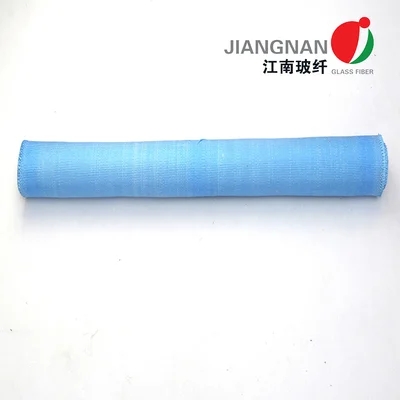
Among the various technical fabrics available, PTFE coated fiberglass cloth stands out for its excellent combination of mechanical strength, chemical stability, and non-stick performance. By integrating the strength of fiberglass with the distinctive properties of polytetrafluoroethylene (PTFE), this composite material provides a dependable solution for applications where ordinary fabrics and conventional polymers may not withstand prolonged exposure to demanding environments.
Changshu Jiangnan Fiberglass Co., Ltd. is an established Chinese manufacturer specializing in high-temperature materials and fiberglass composite products. Founded in 1956, the company has accumulated decades of experience in developing fiberglass solutions for industrial applications. Its manufacturing facilities cover more than 100,000 square meters and feature advanced warp knitting equipment and wide-width coating production lines. With annual production capacities of 50,000 tons of fiberglass products, 2.4 million fire blankets, and 10 million meters of coated fiberglass fabrics, the company supplies customers across wind energy, construction, transportation, electronics, and industrial safety sectors.
Understanding PTFE Coated Fiberglass Cloth
PTFE coated fiberglass cloth is an engineered composite fabric produced by applying PTFE resin coatings to woven fiberglass substrates. Each component contributes different performance advantages to the finished material.
Fiberglass serves as the structural reinforcement, delivering tensile strength, dimensional stability, and resistance to mechanical deformation. Meanwhile, the PTFE coating creates a protective surface with excellent chemical resistance, low friction, and non-stick characteristics.
The result is a flexible yet durable industrial fabric capable of maintaining its functional properties under various environmental conditions.
Its major performance characteristics include:
-
Excellent resistance to a wide range of industrial chemicals
-
Non-stick surface properties
-
Low friction coefficient
-
Reliable performance at elevated temperatures
-
Good electrical insulation characteristics
-
Resistance to moisture and weather exposure
-
Convenient cleaning and maintenance
-
Extended service life under appropriate operating conditions
These combined advantages make PTFE coated fiberglass cloth an important material for manufacturers seeking dependable solutions for specialized industrial processes.
The Importance of Chemical Resistance in Industrial Applications
Modern manufacturing processes frequently involve chemicals that can gradually damage conventional materials. Depending on the industry, equipment and protective fabrics may come into contact with strong acids, alkaline solutions, organic solvents, oxidizing substances, industrial cleaning agents, oils, and other process liquids.
When protective materials cannot withstand these substances, several problems may arise. Surface deterioration, reduced mechanical strength, equipment contamination, and unexpected production interruptions can all increase operating expenses.
PTFE is widely recognized for its excellent chemical inertness. It can resist exposure to most common industrial chemicals and maintains its stability in environments where many alternative coating materials may deteriorate.
When applied to fiberglass fabric, PTFE forms a protective barrier that helps the underlying reinforcement remain functional. This makes the composite suitable for protective coverings, flexible connections, insulation systems, and other equipment components exposed to corrosive conditions.
For industrial operators, selecting chemically resistant fabrics can help reduce the frequency of material replacement, simplify maintenance planning, and improve the reliability of production equipment.
However, actual chemical compatibility should always be evaluated according to the chemical concentration, exposure duration, temperature, and operating conditions.
Maintaining Performance in High-Temperature Environments
In addition to chemical resistance, thermal stability is another important consideration when selecting industrial fabrics.
Many manufacturing processes operate at elevated temperatures for extended periods. Examples include industrial drying equipment, heat-sealing machinery, composite curing systems, commercial baking facilities, chemical processing equipment, and thermal insulation installations.
PTFE coated fiberglass cloth is commonly designed for continuous operating temperatures of up to approximately 260°C, depending on the specific product construction and manufacturer specifications.
The fiberglass base provides the structural support needed to maintain dimensional stability during repeated heating and cooling cycles. At the same time, the PTFE surface retains its valuable release and low-friction properties within its specified temperature range.
This combination makes the material particularly useful in production environments where thermal exposure and mechanical stress occur simultaneously.
For applications involving continuous heating, engineers should verify the rated service temperature of the selected fabric rather than relying solely on general material characteristics.
Non-Stick Performance Improves Production Efficiency
A major advantage of PTFE coated fiberglass fabric is its exceptionally low surface energy. As a result, many materials have difficulty adhering to its surface.
Adhesives, synthetic resins, molten plastics, food residues, coatings, and other substances are less likely to accumulate on a properly manufactured PTFE surface.
This property offers several practical benefits for industrial operations:
-
Reduces unwanted material accumulation on equipment
-
Makes cleaning procedures easier and faster
-
Helps maintain consistent production conditions
-
Minimizes interruptions caused by surface contamination
-
Reduces routine maintenance requirements
The non-stick characteristics are particularly valuable in food processing, packaging, textile manufacturing, electronics production, and composite fabrication.
For manufacturers operating continuous production lines, easier material release and reduced residue buildup can contribute to better equipment utilization and improved overall productivity.
Fiberglass Reinforcement Provides Mechanical Durability
Although PTFE offers excellent chemical and surface properties, the coating alone does not provide the structural strength required for many industrial applications.
This is where fiberglass reinforcement becomes especially important.
Woven fiberglass provides a strong supporting structure that helps the finished composite fabric withstand mechanical forces during installation and operation.
Depending on the fabric construction and coating specification, important mechanical advantages include:
-
High tensile strength
-
Good resistance to tearing
-
Stable dimensions under normal operating conditions
-
Reduced stretching and deformation
-
Improved durability during repeated use
These characteristics allow PTFE coated fiberglass cloth to perform in applications involving continuous movement, tension, bending, or repeated contact with industrial equipment.
The combination of a protective PTFE surface and a reinforced fiberglass structure creates a versatile material suitable for demanding manufacturing environments.
Major Applications of PTFE Coated Fiberglass Cloth
The material's combination of thermal stability, chemical resistance, and release performance makes it useful across multiple industries.
1. Chemical Processing Facilities
Chemical production environments require materials capable of withstanding exposure to aggressive substances while maintaining their structural integrity.
PTFE coated fiberglass cloth can be incorporated into various protective and flexible components, including:
-
Chemical-resistant protective curtains
-
Flexible expansion joints
-
Equipment insulation covers
-
Protective tank coverings
-
Pipe wrapping systems
-
Flexible industrial connectors
Its chemical resistance helps protect equipment components and supports reliable operation in challenging processing environments.
2. Food Processing and Manufacturing
Food production facilities often require materials that are easy to clean and less likely to retain food residues.
The non-stick surface of PTFE coated fiberglass cloth makes it suitable for several processing applications, such as:
-
Conveyor belt surfaces
-
Heat-sealing belts
-
Food release sheets
-
Baking and cooking liners
-
Industrial drying equipment
By minimizing product adhesion, these materials can simplify cleaning procedures and help maintain consistent production conditions.
For direct food-contact applications, buyers should confirm that the selected product meets the relevant food-contact regulations and certification requirements.
3. Electronics Manufacturing
Electronics production requires materials with stable electrical characteristics and reliable thermal performance.
PTFE coated fiberglass cloth offers useful dielectric properties and can be applied in different electronic manufacturing processes.
Typical applications include:
-
Printed circuit board production
-
Wave soldering protection
-
Electrical insulation components
-
Heat-resistant protective barriers
-
Industrial equipment coverings
Its combination of electrical insulation and thermal stability makes it valuable in manufacturing environments where material reliability is particularly important.
4. Packaging and Heat-Sealing Equipment
Packaging machinery frequently operates under repeated heating and pressure conditions. During heat sealing, molten plastic films may stick to machine components, affecting sealing consistency and increasing cleaning requirements.
PTFE coated fiberglass fabrics provide a low-adhesion surface that helps prevent plastic materials from sticking to heating elements and sealing equipment.
They are commonly used as:
-
Heat-sealing machine belts
-
Release fabrics
-
Protective heating covers
-
Conveyor surfaces
-
Packaging equipment liners
These applications help maintain smoother production processes and reduce interruptions caused by material buildup.
5. Composite Manufacturing
Composite manufacturing often involves high temperatures, resin systems, pressure, and specialized molding processes.
PTFE coated fiberglass cloth can function as a release material or protective layer during different production stages.
Common applications include:
-
Mold release fabrics
-
Vacuum processing materials
-
Mold surface protection
-
Resin-resistant process liners
Its release characteristics help reduce adhesion between composite materials and processing surfaces, making demolding and equipment cleaning more convenient.
How Long-Term Durability Helps Reduce Maintenance Costs
For industrial manufacturers, the cost of a material should not be measured by its initial purchase price alone. Replacement frequency, maintenance labor, production interruptions, and equipment downtime also influence the overall operating cost.
PTFE coated fiberglass cloth is valued for its ability to maintain useful performance over extended periods when correctly selected and installed.
Its main durability advantages include:
-
Resistance to many corrosive substances
-
Good moisture resistance
-
Weather and UV resistance
-
Wear resistance under suitable operating conditions
-
Reliable aging characteristics
These properties can reduce the need for frequent material replacement and help manufacturers establish more predictable maintenance schedules.
For equipment operating continuously, using a suitable high-performance fabric may also reduce production losses associated with unexpected maintenance.
Actual service life will depend on coating quality, fabric construction, operating temperature, chemical exposure, mechanical loading, and installation conditions.
Supporting Industrial Safety and Operational Reliability
Safety is an essential factor in industrial material selection, particularly in facilities involving elevated temperatures, electrical equipment, or chemical processing.
PTFE coated fiberglass cloth offers several properties that can contribute to safer equipment design.
These include thermal stability within its specified operating range, electrical insulation characteristics, resistance to many chemicals, and good dimensional stability.
Fiberglass-based materials can also provide useful flame-resistant characteristics, depending on the fabric construction and coating system.
When incorporated into properly designed protective covers, insulation systems, and industrial barriers, these materials can support safer working environments.
It is important to note that flame resistance, fire performance, and smoke characteristics vary by product. Applications involving specific fire-safety requirements should be supported by appropriate test reports and certifications.
Key Factors to Consider When Selecting PTFE Coated Fiberglass Cloth
Not all PTFE coated fiberglass fabrics are manufactured to the same specifications. Different industrial processes require different levels of mechanical strength, coating performance, and temperature resistance.
Before placing a bulk order, buyers and engineers should evaluate several important factors.
Fabric Weight and Thickness
Fabric weight and thickness influence the overall strength, flexibility, and durability of the finished material.
Heavier constructions may provide improved mechanical support for demanding applications, while lighter fabrics can be more suitable where flexibility and ease of handling are priorities.
PTFE Coating Thickness
The coating thickness affects the surface characteristics and protective performance of the finished fabric.
A suitable coating should provide sufficient coverage and adhesion while maintaining the flexibility required for the intended application.
Operating Temperature
Different products have different temperature ratings. Buyers should identify both the normal working temperature and any short-term temperature peaks.
The selected fabric must be compatible with the actual thermal conditions of the equipment.
Mechanical Requirements
Tensile strength, tear resistance, flexibility, and dimensional stability should be evaluated according to the stresses the fabric will experience.
Applications involving repeated movement or tension may require a stronger base fabric.
Chemical Compatibility
Chemical resistance should be assessed based on the actual substances involved in the production process.
The chemical type, concentration, exposure duration, and temperature can all affect long-term material performance.
Surface Characteristics
Some applications require a smooth surface for improved release and easier cleaning, while others may benefit from different surface textures or fabric constructions.
Selecting the appropriate finish can help improve compatibility with specific equipment and production requirements.
Working with an experienced manufacturer allows buyers to compare different specifications and identify a suitable solution for their operating environment.
Why Manufacturing Quality Is Essential
The performance of PTFE coated fiberglass cloth depends not only on the raw materials used but also on the manufacturing processes involved.
Inconsistent weaving, uneven coating application, or inadequate curing may affect the final product's mechanical strength, surface quality, and service life.
Reliable manufacturing generally requires careful control of several production stages:
-
Selection of high-quality fiberglass yarn
-
Consistent weaving and fabric preparation
-
Uniform PTFE coating application
-
Controlled drying and curing procedures
-
Inspection of coating adhesion and surface quality
-
Testing of relevant mechanical and thermal properties
Changshu Jiangnan Fiberglass Co., Ltd. has developed substantial manufacturing capabilities through decades of industrial production experience.
Established in 1956, the company operates modern manufacturing facilities covering more than 100,000 square meters. Its equipment includes advanced warp knitting systems and wide-width coating production lines, supporting large-scale production and consistent product supply.
With annual capacities of 50,000 tons of fiberglass products, 2.4 million fire blankets, and 10 million meters of coated fiberglass fabrics, the company serves customers in a variety of industrial sectors.
Its R&D team also focuses on developing and improving fiberglass composite materials for applications ranging from wind energy and construction to industrial protection and transportation.
By combining manufacturing experience, modern equipment, and product development capabilities, Jiangnan Fiberglass aims to provide reliable material solutions for customers with different technical requirements.
www.jnglassfiber.com
Changshu Jiangnan Fiberglass Co., Ltd.
About Author