Common Problems and Solutions in Architectural Tempered Glass Installation
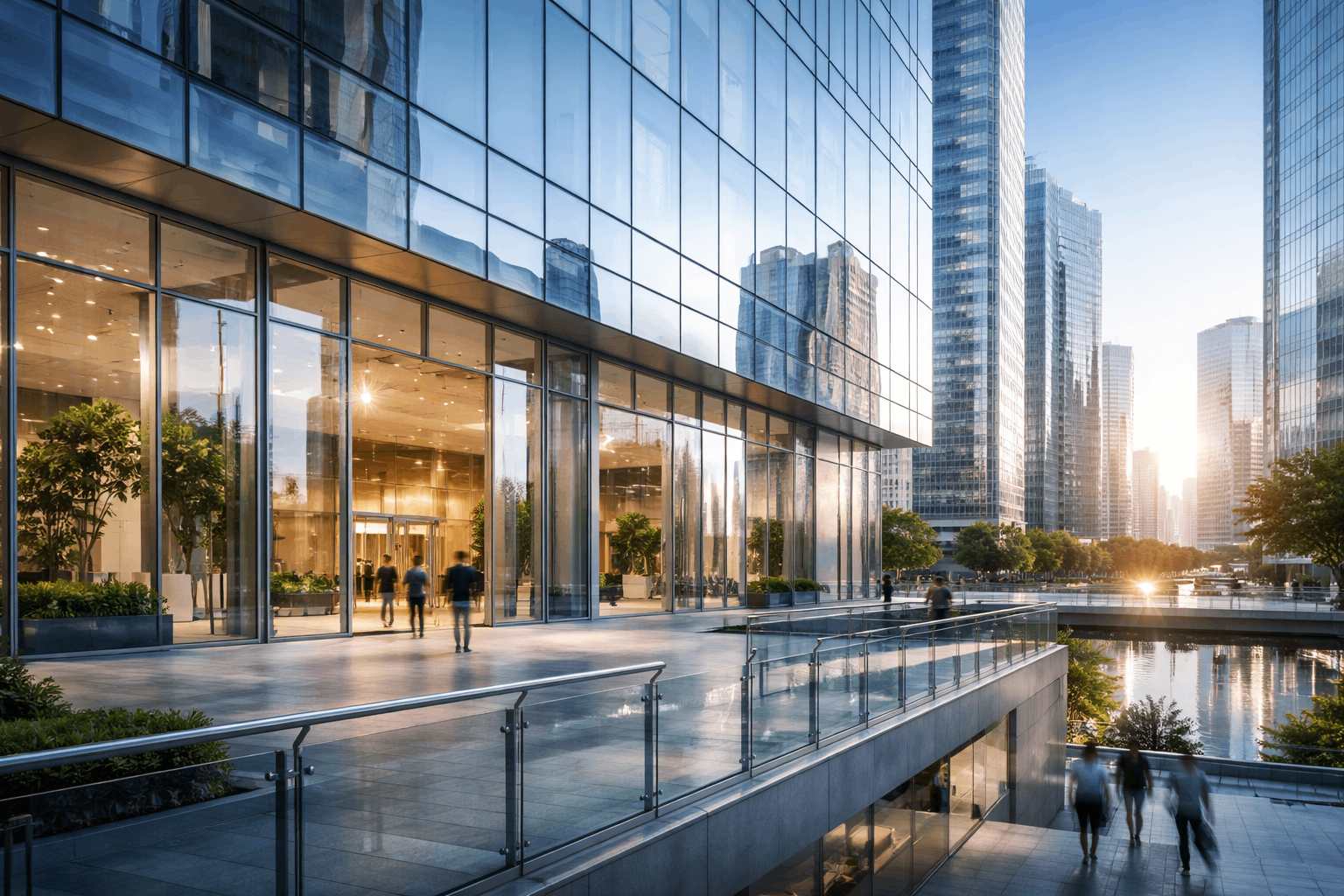
Architectural tempered glass has become a cornerstone of modern building design, offering a perfect combination of strength, safety, and aesthetic appeal. From skyscraper façades to office partitions, glass provides transparency, elegance, and functionality. However, despite its many advantages, the installation of architectural tempered glass is not without challenges. Improper handling, environmental factors, or design errors can lead to issues that compromise both safety and appearance. In this article, we explore the common problems encountered during the installation of architectural tempered glass and provide practical solutions to mitigate these challenges.
1. Breakage During Handling or Transportation
Problem:
Tempered glass is designed to be strong and resistant to impact, but it is also sensitive to edge damage. Chips or scratches along the edges can cause the glass to shatter unexpectedly during transportation or installation. Breakage often occurs due to improper handling with tools or insufficient protective packaging.
Solution:
-
Always use specialized suction cups and lifting equipment designed for tempered glass.
-
Inspect the edges and corners for chips or cracks before installation. Any damaged glass should be rejected.
-
Wrap glass panels in foam padding and secure them in custom crates to minimize vibration and impact during transit.
-
Train installation teams in proper handling techniques, emphasizing the fragility of the edges.
2. Stress Points Leading to Spontaneous Shattering
Problem:
Tempered glass is subject to residual stress from the tempering process. When certain stress points are introduced during installation—such as contact with hard objects, uneven support, or improper clamping—this stress can cause spontaneous breakage, sometimes even months after installation.
Solution:
-
Ensure that glass is supported evenly along all edges and does not touch sharp metal fittings directly. Use rubber or neoprene gaskets to cushion contact points.
-
Avoid drilling, grinding, or modifying tempered glass on-site. Any holes or cuts must be made before the tempering process.
-
Maintain clear specifications between architects, fabricators, and installers to avoid improper stress during installation.
-
Consider laminated tempered glass in high-risk areas, which prevents shards from scattering if breakage occurs.
3. Misalignment and Poor Fit
Problem:
Architectural tempered glass often needs to fit precisely into frames, channels, or mullions. Poor measurements or slight deviations can result in gaps, uneven alignment, or difficulty securing the glass. Misalignment can compromise both structural safety and visual aesthetics.
Solution:
-
Conduct precise measurements at the project site before fabrication. Double-check dimensions for each panel.
-
Utilize adjustable framing systems to accommodate minor deviations without stressing the glass.
-
During installation, ensure proper sequencing to avoid forcing panels into place. Glass should slide smoothly into its final position.
-
Employ laser measurement tools or leveling systems to achieve perfect alignment on large-scale façades.
4. Sealant and Adhesive Issues
Problem:
Sealants and adhesives are commonly used to bond tempered glass to frames or to create weatherproof seals. Incorrect selection or application can result in leaks, discoloration, or weakened adhesion, which can affect performance and durability.
Solution:
-
Use adhesives specifically designed for tempered glass and outdoor applications. Silicone-based sealants are commonly preferred for their flexibility and UV resistance.
-
Ensure surfaces are clean, dry, and free of dust or oils before applying sealants.
-
Apply sealants evenly along the edges and joints to avoid gaps or air bubbles.
-
Allow proper curing time as recommended by the manufacturer before subjecting the glass to stress or environmental loads.
5. Thermal Stress and Heat Damage
Problem:
Tempered glass can withstand considerable thermal stress compared to regular annealed glass. However, rapid temperature changes or uneven heating—especially in large façade panels exposed to sunlight—can cause thermal breakage. Dark-tinted or coated glass is particularly susceptible.
Solution:
-
Consider thermal calculations during the design phase to ensure panels are properly specified for the local climate.
-
Use laminated or heat-strengthened glass for large panels or areas with intense sun exposure.
-
Avoid covering portions of the glass with opaque materials or insulating films that create uneven temperature gradients.
-
Ensure gaps in frames allow for thermal expansion without inducing stress on the glass edges.
6. Scratches and Surface Damage Post-Installation
Problem:
Even after successful installation, glass can suffer from scratches caused by cleaning tools, debris, or construction work. Scratches compromise aesthetics and may lead to stress concentration points that increase the risk of breakage.
Solution:
-
Use soft, non-abrasive cleaning cloths and approved glass cleaning solutions. Avoid scrapers or brushes with hard bristles.
-
Protect glass with temporary films during ongoing construction to shield against accidental scratches.
-
Train maintenance staff on proper cleaning and care procedures.
-
Inspect glass periodically for minor surface damage and replace panels if scratches are deep or extensive.
7. Fogging or Condensation Between Layers (For Laminated or Insulated Glass)
Problem:
Architectural tempered glass is often combined with lamination or insulating layers. Improper sealing or moisture ingress can lead to fogging, condensation, or mold growth between layers, reducing transparency and aesthetics.
Solution:
-
Ensure that insulated glass units are fabricated with quality spacers and desiccants to absorb moisture.
-
Install panels in a way that prevents water ingress, paying attention to flashing, sealants, and frame design.
-
Avoid exposing unfinished glass units to moisture before installation.
-
Conduct quality control tests for each unit to detect potential sealing failures before delivery.
8. Edge and Corner Damage During Frame Installation
Problem:
Edges and corners are the most vulnerable points on tempered glass. Even small impacts during frame installation can trigger micro-cracks that lead to later failure. This is especially common in heavy panels used for high-rise façades.
Solution:
-
Use edge protectors, rubber gaskets, or plastic corner guards during installation.
-
Avoid over-tightening clamps or screws that directly contact the glass.
-
Train installers to handle glass edges with extra care, especially when inserting panels into channels or frames.
-
Consider using thicker glass or laminated units in areas where heavy handling is unavoidable.
9. Compatibility Issues with Hardware and Fasteners
Problem:
Not all hardware is compatible with tempered glass. Metal fasteners can induce stress or corrosion if in direct contact, while some anchor points may not distribute load evenly, risking cracks or breakage.
Solution:
-
Select hardware and fasteners specifically designed for tempered glass applications. Stainless steel or coated metals are preferred.
-
Use gaskets, washers, or rubber pads to cushion the contact points and distribute load evenly.
-
Follow manufacturer specifications for weight limits and installation torque to avoid over-stressing the glass.
-
Regularly inspect hardware after installation to ensure ongoing structural integrity.
10. Insufficient Training and Coordination
Problem:
Many issues in tempered glass installation arise from human error. Inexperienced installers, poor communication between designers and contractors, or lack of site supervision can exacerbate minor problems into major failures.
Solution:
-
Provide specialized training for installation teams, emphasizing the unique properties and vulnerabilities of tempered glass.
-
Maintain clear communication among architects, engineers, fabricators, and installers to coordinate tolerances, loads, and safety requirements.
-
Implement quality control checklists and inspection protocols for each phase of installation.
-
Hire experienced supervisors to oversee critical steps, especially on large or high-rise projects.
Conclusion
Architectural tempered glass offers unparalleled aesthetic appeal and structural safety when installed correctly. However, its unique properties also demand careful handling, precise installation, and thorough planning. Common problems such as breakage during handling, stress-induced shattering, misalignment, sealant failure, thermal stress, scratches, condensation, edge damage, hardware incompatibility, and insufficient training can all compromise the performance and longevity of tempered glass installations.
By understanding these challenges and applying the solutions outlined above—such as proper handling, pre-installation inspection, use of appropriate hardware, thermal considerations, and professional training—architects, contractors, and installers can ensure that architectural tempered glass fulfills its potential as a durable, safe, and visually striking material in modern construction projects.
Investing in quality materials, professional installation, and ongoing maintenance is not just a best practice—it is essential for protecting both the safety of occupants and the integrity of the building. In the end, thoughtful installation and careful attention to detail transform architectural tempered glass from a fragile-looking material into a symbol of strength, innovation, and elegance.
www.jxboxinglass.com
jxboxinglass
About Author