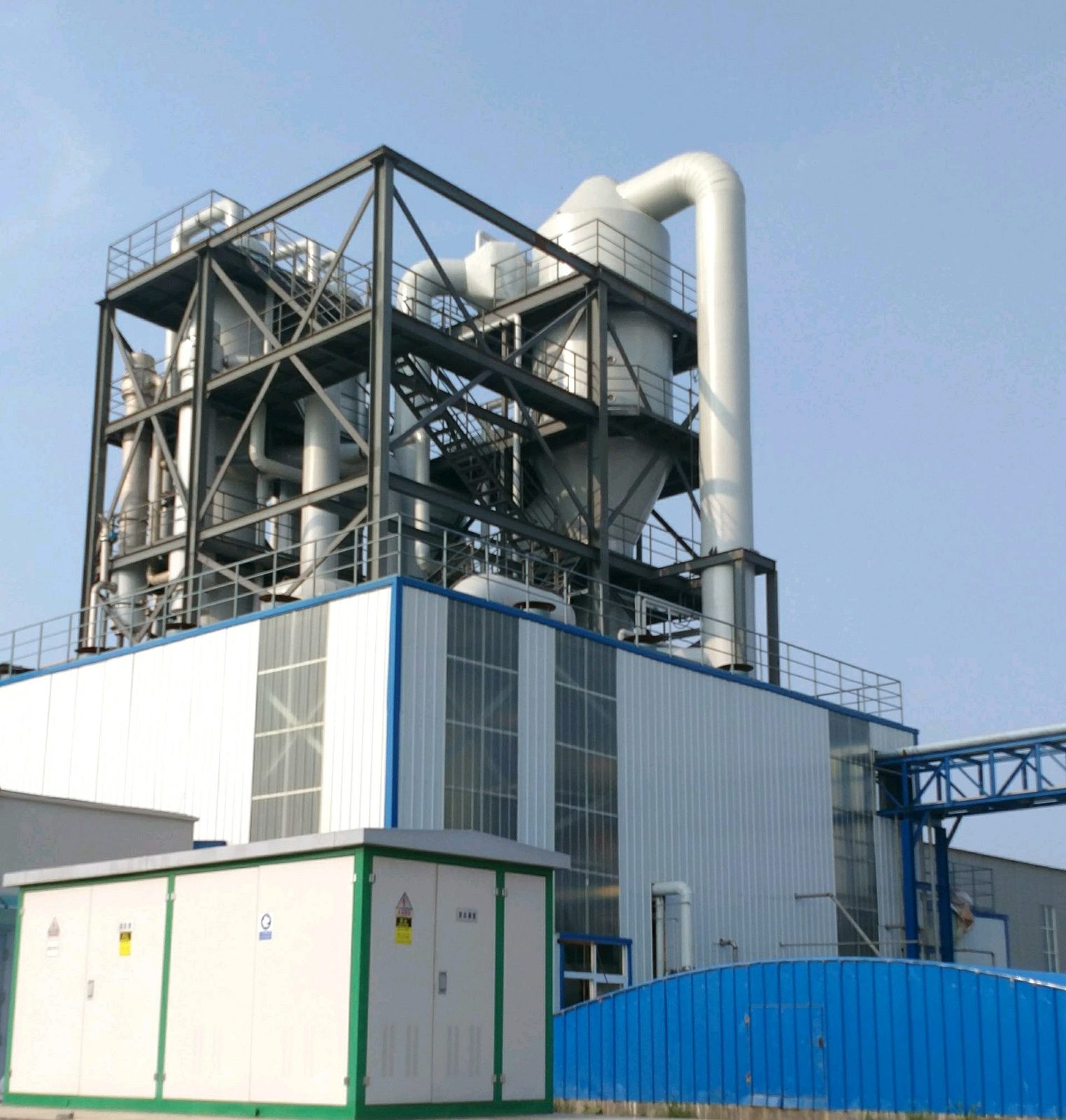
How to Keep Industrial Air Pollution Control Systems Running Reliably
Industrial air pollution control equipment is often judged by its performance during acceptance testing. Once the system has passed inspection and production resumes, however, a different challenge begins: keeping it operating consistently under real factory conditions.
Production schedules change. Raw materials are replaced. Filters become loaded, instruments drift, and equipment that performed well during commissioning may gradually operate outside its original design conditions. These issues do not always cause an immediate shutdown, but they can affect treatment performance, energy consumption, maintenance costs, and environmental compliance.
For plant managers and maintenance teams, reliable operation depends on more than the equipment itself. It requires a structured approach to commissioning, operator training, routine inspection, and performance monitoring.
Commissioning Should Reflect Actual Production Conditions
A system that runs properly during an isolated test may behave differently when connected to a working production line.
During commissioning, the engineering team should verify that the equipment operates as an integrated process. Fans, dampers, control panels, temperature sensors, pressure instruments, safety devices, and treatment units must work together as intended.
Where possible, testing should cover representative production conditions rather than relying entirely on an empty-load or short-duration test.
Several points deserve particular attention:
-
Whether the actual exhaust airflow is consistent with the design basis.
-
Whether the system maintains stable pressure and temperature conditions.
-
Whether automatic controls respond correctly to changes in operating status.
-
Whether alarms, interlocks, and emergency shutdown functions operate as intended.
-
Whether the exhaust collection network captures emissions from the relevant production areas.
Any differences between the original design assumptions and actual site conditions should be recorded. Leaving these differences undocumented can make later troubleshooting unnecessarily difficult.
Establish a Clear Performance Baseline
Once commissioning is complete, the facility should retain a set of operating records that represent normal system performance.
This baseline provides a reference for identifying gradual changes. Without it, maintenance teams may struggle to distinguish between normal operating variation and a developing equipment problem.
The information recorded will depend on the treatment process, but may include:
-
Inlet and outlet gas conditions, where monitoring is available.
-
Airflow, fan current, and system pressure.
-
Operating temperatures at relevant process points.
-
Differential pressure across filters or other components.
-
Fuel and electricity consumption.
-
Alarm history, downtime, and maintenance activities.
Measurements should be taken under comparable production conditions whenever possible. For example, comparing energy consumption from two periods with very different production loads may produce misleading conclusions.
A baseline is not simply a collection of numbers. It should describe the conditions under which those numbers were obtained.
Use Operating Trends to Detect Problems Early
Many equipment problems develop gradually. A filter becomes increasingly restricted, a fan begins drawing more power, or a temperature reading starts drifting away from its usual range.
Looking at individual readings may not reveal much. Reviewing trends over several weeks or months can provide a clearer picture.
Consider a system where the differential pressure across a filter gradually increases. This may indicate dust accumulation or a developing blockage. If the fan continues operating without adjustment, energy consumption may rise while the available airflow decreases.
Similarly, an unexpected increase in fuel consumption may point to changes in exhaust conditions, heat recovery performance, insulation, or control settings. The cause should be investigated before adjustments are made.
Maintenance teams should establish practical operating limits for important parameters based on the equipment manufacturer's recommendations and the project's commissioning results. These limits should be specific to the installed system rather than copied from another facility.
Make Maintenance Part of the Production Schedule
Preventive maintenance is most effective when it is planned around the production schedule.
Waiting for a component to fail can result in unplanned downtime, rushed repairs, and potential disruption to environmental control. On the other hand, replacing parts too early without checking their actual condition can increase maintenance costs.
A balanced maintenance plan should distinguish between routine inspection, condition-based maintenance, and scheduled component replacement.
For example, filters may require inspection at regular intervals, while replacement can be determined by differential pressure, physical condition, or manufacturer guidance. Fans and motors should be checked for abnormal noise, vibration, temperature, and electrical performance. Valves, seals, and duct connections should be inspected for leakage or mechanical damage.
For systems containing adsorbents or catalysts, maintenance planning should also account for the condition of the treatment media. Their service life depends on the substances being treated, operating conditions, contamination, and actual usage. Calendar-based replacement alone may not provide an accurate picture of their condition.
Maintenance records should identify what was inspected, what was changed, why the work was necessary, and whether the equipment returned to its normal operating range afterward.
Operator Training Has a Direct Effect on System Reliability
Even a well-designed treatment system can be operated incorrectly if the people responsible for it do not understand its basic operating requirements.
Operators should know which readings require attention, what an alarm means, and which actions are permitted during abnormal conditions. They should also understand which adjustments must only be performed by authorized maintenance or engineering personnel.
Training should cover more than the normal start-up and shutdown sequence. It should address practical situations such as:
-
What to do when airflow or pressure readings change unexpectedly.
-
How to respond to temperature or equipment alarms.
-
Which conditions require the production line to stop.
-
How to record unusual operating events.
-
When to contact maintenance or the equipment supplier.
Clear operating procedures reduce reliance on individual experience. They are particularly important when facilities use shift-based staffing or have frequent personnel changes.
Keep the Exhaust Collection Network in Good Condition
The performance of an air pollution control system depends on more than the treatment equipment. The collection network must also deliver exhaust from the production area to the treatment unit as intended.
Ductwork can deteriorate through corrosion, vibration, accumulated deposits, or mechanical damage. Poorly sealed connections may allow untreated gas to escape. Changes to production equipment or workshop layouts can also affect airflow distribution.
These issues are sometimes overlooked because the main treatment unit appears to be operating normally.
Routine inspections should therefore include accessible duct sections, supports, dampers, flexible connections, inspection doors, and collection points. If production equipment has been relocated or additional exhaust branches have been installed, the effect on the overall airflow balance should be assessed.
For facilities planning a new installation or a major modification, the relationship between collection, ductwork, and treatment equipment should be considered as one integrated arrangement. This is also covered in our industrial waste gas treatment system guide.
Document Changes to Production and Equipment
Industrial processes rarely remain unchanged throughout the service life of an environmental control system.
A factory may introduce a new coating material, increase production capacity, extend operating hours, or connect another machine to an existing exhaust network. Even if each change appears minor, the combined effect may alter the conditions presented to the treatment equipment.
Before making significant process changes, the facility should assess whether they affect exhaust volume, composition, temperature, dust loading, or operating schedules.
The equipment supplier or responsible engineering team may need to review the proposed modification. This is particularly important where changes could affect combustion safety, catalyst compatibility, adsorption performance, or the capacity of the installed system.
Keeping a record of process modifications makes it easier to trace performance changes and determine whether the original design remains suitable.
Plan for Long-Term Support, Not Just Initial Delivery
The relationship between an equipment supplier and an industrial facility should not end when installation and acceptance are complete.
Operating teams may need technical assistance when unusual alarms occur, production conditions change, or replacement components are required. Access to equipment drawings, electrical diagrams, control descriptions, maintenance instructions, and spare-parts information can make these situations much easier to manage.
Before final handover, the facility should confirm that it has received the documentation needed for routine operation and future maintenance. The responsible personnel should also know whom to contact when technical support is required.
For facilities operating thermal oxidation equipment, for example, the installed configuration and its control requirements should be clearly documented. Information about equipment models, process connections, and operating arrangements is essential when planning inspections or future upgrades. Further details about one integrated configuration are available on the LQ-ADW-RTO zeolite rotor and RTO system page.
Reliable Operation Is Built After Installation
The long-term performance of an industrial air pollution control system is shaped by everyday decisions: how operators respond to alarms, how maintenance is scheduled, how process changes are reviewed, and how operating data are recorded.
A successful acceptance test is an important milestone, but it is not a guarantee of consistent performance throughout the equipment's service life.
Facilities that establish a clear operating baseline, monitor trends, maintain the collection network, and involve production and maintenance teams in environmental management are better prepared to identify problems before they become major disruptions.
Ultimately, reliable emission control is not a one-time installation result. It is the outcome of sound engineering, disciplined operation, and continued attention to the condition of the entire system.
www.rtofactory.com
Lvquan
About Author