How to Choose the Right Low Speed Passenger Elevator for Small Buildings
For small residential buildings, low-rise commercial properties, medical clinics, and boutique hotels, choosing the right low speed passenger elevator is essential for ensuring convenient access and reliable daily operation. Unlike elevators installed in high-rise buildings, where travel speed and traffic management are major considerations, low-rise elevator systems place greater emphasis on ride comfort, space utilization, operational safety, and long-term reliability.
Selecting an elevator involves more than determining how people will move between floors. Building owners and developers need to consider the available installation space, expected passenger traffic, maintenance requirements, and the building's overall design. A properly selected elevator can improve accessibility, provide a more comfortable user experience, and contribute to the property's long-term value.
Understanding Low Speed Passenger Elevators
Low speed passenger elevators are generally suitable for buildings with relatively few floors and shorter vertical travel distances. Since these applications typically do not require the high travel speeds associated with tall buildings, elevator performance can be optimized around smooth movement, dependable operation, and efficient use of space.
Common applications include:
-
Residential apartment buildings and small housing developments
-
Low-rise office buildings and commercial properties
-
Medical clinics and healthcare facilities
-
Schools, training centers, and educational buildings
-
Boutique hotels, retail stores, and other hospitality venues
In these environments, an elevator must operate comfortably during everyday use without introducing unnecessary mechanical complexity. Efficient drive systems, stable control performance, and durable components are therefore important considerations when comparing different solutions.
Essential Factors to Consider Before Choosing an Elevator
The most suitable elevator depends on the building's physical characteristics, passenger requirements, safety expectations, and operating conditions. Evaluating the following factors before installation can help avoid unnecessary design changes and future maintenance difficulties.
1. Evaluate the Building Layout and Elevator Shaft
The building structure is one of the first factors to assess when selecting an elevator. Available shaft width and depth, pit dimensions, overhead clearance, and machine room requirements can all affect which elevator configurations are suitable.
For small buildings, making efficient use of the available floor area is particularly important. A compact elevator layout can help preserve usable space while meeting passenger transportation needs. Machine-room-less (MRL) elevators may also be worth considering because they eliminate the need for a separate machine room, subject to the requirements of the selected system and local building regulations.
Before finalizing a design, architects and project managers should coordinate with the elevator manufacturer to confirm installation dimensions and structural requirements.
2. Match Passenger Capacity to Actual Demand
An elevator designed for a private residence may not provide the same level of service required in a clinic or a multi-unit apartment building. Even when two buildings have a similar number of floors, their passenger traffic can differ considerably.
Important considerations include:
-
The number of people expected to use the elevator each day
-
Peak traffic periods, such as morning departures and evening returns
-
The frequency of stops and average passenger loads
-
Accessibility needs for wheelchair users, older adults, and people with limited mobility
Selecting an appropriate cabin size and rated load helps prevent overcrowding while avoiding unnecessary space consumption. For healthcare facilities and other buildings serving people with mobility challenges, door width, cabin dimensions, and ease of entry should receive particular attention.
3. Balance Travel Speed with Ride Comfort
For low-rise buildings, choosing the highest available elevator speed is rarely the only priority. Since the distance between floors is relatively short, smooth acceleration, controlled deceleration, and accurate floor leveling often have a greater influence on the passenger experience.
Modern elevator control technology can help reduce noticeable vibration and provide more consistent stopping performance. These characteristics are especially valuable in residential properties, clinics, and hotels, where passengers expect a quiet and comfortable ride.
When comparing systems, building owners should evaluate the overall travel experience rather than focusing exclusively on the rated speed.
4. Check Safety Features and Regulatory Compliance
Safety is a fundamental requirement for every passenger elevator, regardless of building height or expected traffic. A suitable system should incorporate protective devices and emergency functions appropriate to its design and applicable regulations.
Depending on the elevator configuration, important features may include:
-
Overspeed protection and emergency braking devices
-
Door interlocks and protective door sensors
-
Emergency rescue or evacuation functions during a power failure
-
Alarm systems and emergency communication equipment
-
Accurate stopping and leveling controls
Compliance with applicable elevator codes and local installation requirements must be verified before the equipment is put into service. Buyers should also review the manufacturer's quality management procedures, testing arrangements, and technical documentation.
A clearly defined safety system, combined with professional installation and regular inspections, helps support reliable operation throughout the elevator's service life.
5. Consider Energy Consumption and Daily Operating Costs
Although low speed passenger elevators generally serve shorter travel distances, their energy consumption still matters, particularly in buildings where the equipment operates frequently throughout the day.
Efficient motors and drive systems can help reduce electricity use during normal operation. Other useful features may include LED cabin lighting, automatic lighting shutdown, and standby functions that reduce unnecessary energy consumption when the elevator is idle.
Regenerative drive technology may also be appropriate for certain elevator configurations, depending on the drive system and operating conditions.
When evaluating energy efficiency, buyers should consider the complete system, including expected traffic, standby consumption, drive technology, and maintenance requirements. This provides a more realistic basis for assessing long-term operating performance.
6. Review Maintenance Requirements and Technical Support
Elevators contain mechanical, electrical, and control components that require regular inspection and servicing. Without an appropriate maintenance plan, even a well-designed system may experience avoidable interruptions or declining performance.
Before selecting a supplier, building owners should clarify the availability of technical support, access to replacement components, maintenance procedures, and arrangements for handling unexpected faults.
A manufacturer with established technical service capabilities can help simplify installation coordination and ongoing equipment management. For properties such as clinics, hotels, and residential buildings, dependable service support is particularly important because elevator downtime can disrupt normal activities.
Cabin Design and Passenger Comfort
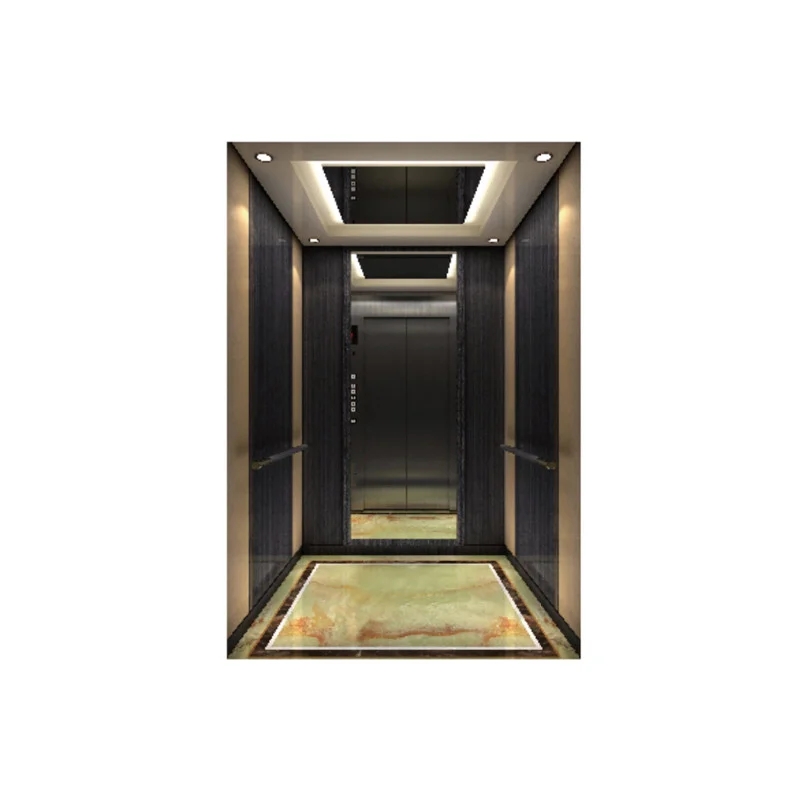
Technical specifications are only part of the selection process. Cabin appearance, lighting, materials, and control layout also influence how passengers perceive the building and use the elevator.
Cabin finishes should complement the property's interior design while remaining practical for everyday use. Stainless steel panels, suitable flooring materials, functional handrails, and well-positioned control panels are common options, depending on the project requirements.
For additional information about cabin finishes and customization options, visit Passenger Elevator Car Decoration.
Accessibility should also be considered during the cabin design stage. Clear floor indicators, readable buttons, appropriate handrail placement, and slip-resistant flooring can make the elevator easier to use for passengers of different ages and abilities.
For healthcare facilities and residential buildings serving older adults, these details are especially important. A practical cabin design should combine visual consistency with ease of use, durability, and straightforward cleaning.
FUJI Elevator: Supporting Modern Building Transportation Needs
Choosing an elevator manufacturer with capabilities in engineering, production, installation, and maintenance can make project coordination more manageable.
FUJI Elevator (Huzhou) Co., Ltd. is a modern enterprise engaged in elevator design, research and development, manufacturing, sales, installation, and maintenance. Located in Huzhou, Zhejiang Province, China, the company uses production equipment and testing instruments to support the development and manufacture of vertical transportation products.
Its product range includes passenger elevators, home elevators, panoramic elevators, villa elevators, medical elevators, freight elevators, car elevators, escalators, and moving walkways. This portfolio enables the company to address a variety of transportation requirements across residential, commercial, and industrial building projects.
The company also emphasizes technological development and quality management throughout its manufacturing processes. From component selection to assembly and final testing, systematic quality control helps maintain product consistency and supports dependable equipment performance.
For buyers evaluating elevator suppliers, these manufacturing and technical capabilities are useful factors to consider alongside product specifications, installation requirements, and after-sales service arrangements.
Elevator Solutions for Small and Low-Rise Buildings
Small buildings often have limited space for elevator shafts and equipment, making careful system planning essential. The elevator must fit the architectural layout while providing sufficient capacity, comfortable operation, and reliable performance under everyday conditions.
FUJI Elevator's product offerings provide options for projects with different building layouts and transportation requirements. When assessing a solution for a low-rise application, buyers can focus on several practical considerations:
-
Space utilization: Select an elevator configuration that fits the available shaft and minimizes unnecessary structural changes.
-
Smooth operation: Prioritize stable movement and accurate floor leveling for short-distance travel.
-
Design flexibility: Choose cabin finishes and layouts that complement the building's architectural style.
-
Operational reliability: Evaluate the control system, component quality, and suitability for the expected passenger traffic.
-
Project coordination: Confirm technical requirements with the manufacturer early enough to align elevator design with construction progress.
The final configuration should be determined by the building's actual conditions and the applicable safety requirements. Early communication between the elevator supplier, architect, and construction team can reduce installation conflicts and help keep the project on schedule.
Installation, Maintenance, and Long-Term Support
The quality of an elevator installation has a direct influence on its operating performance and service life. Correct installation, commissioning, and system testing are necessary to ensure that the equipment operates as intended.
FUJI Elevator provides installation-related support and after-sales services as part of its broader service offering. The company also describes its service approach as providing 24-hour coverage for customer support, alongside design consultation, installation guidance, and maintenance assistance.
Before purchasing an elevator, project owners should confirm the precise scope of these services, including local service availability, response arrangements, inspection schedules, and responsibility for replacement parts.
Routine maintenance helps identify component wear, maintain safety functions, and reduce the risk of unexpected shutdowns. Keeping service records and following the manufacturer's maintenance recommendations can also make long-term equipment management more predictable.
For small commercial properties, hotels, and healthcare facilities, a clearly defined maintenance arrangement is particularly valuable because uninterrupted access can be essential to daily operations.
Why Choosing the Right Elevator Matters
An elevator is a long-term building investment, and the initial equipment selection can affect usability, maintenance demands, and operating efficiency for years.
A system that is poorly matched to the building may create avoidable problems, such as insufficient passenger capacity, inefficient use of space, uncomfortable travel, or difficult maintenance access. Conversely, a carefully selected elevator can improve movement between floors, support accessibility, and provide a more consistent experience for residents, employees, and visitors.
The most effective selection process considers the building structure, passenger demand, ride comfort, safety compliance, energy efficiency, and after-sales support together. Comparing these factors helps buyers choose a system that meets both current requirements and anticipated future needs.
Conclusion
Low speed passenger elevators are an important part of modern low-rise buildings, where efficient space utilization, dependable operation, passenger comfort, and safety must work together. Choosing the right system requires a clear understanding of the building layout, expected traffic, installation constraints, and long-term maintenance requirements.
FUJI Elevator (Huzhou) Co., Ltd. offers a range of vertical transportation products and related technical services for different building applications. By evaluating the available configurations and coordinating with an experienced elevator supplier, building owners and developers can identify a practical solution that supports convenient, safe, and reliable transportation between floors.
www.fujidsk.com
FUJI Elevator (Huzhou) Co, Ltd.
About Author