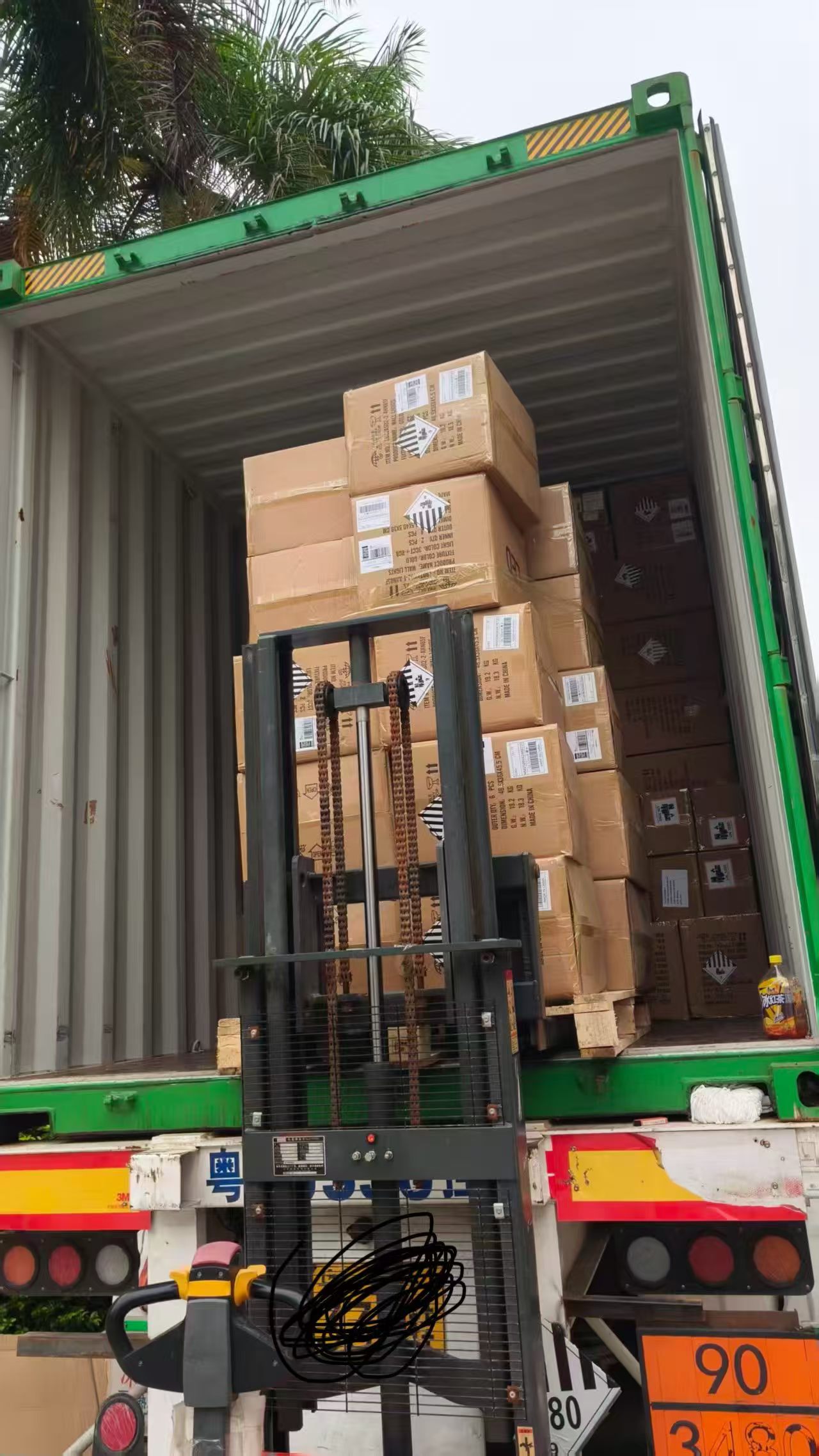
How Clear Shipping Responsibilities Improve International Logistics Coordination
International shipping involves more than moving cargo from one country to another. Exporters, importers, freight forwarders, carriers, customs brokers, and destination agents all contribute to the transportation process. Each party handles different tasks, and their responsibilities often overlap at key stages of a shipment.
When these responsibilities are unclear, even a well-planned shipment can encounter unnecessary delays, duplicated work, or communication gaps. Clear responsibility allocation helps businesses coordinate logistics activities, maintain accurate shipment information, and respond to operational issues more efficiently.
Why Responsibility Allocation Matters in International Shipping
A typical international shipment passes through several organizations before reaching its final destination. The exporter prepares the goods and provides shipment information, while the freight forwarder coordinates transportation arrangements. Carriers handle cargo movement, and customs brokers assist with clearance procedures where required. The importer is generally responsible for destination-side arrangements and receiving the goods.
Problems arise when one party assumes that another has completed a task without confirming it. For example, an exporter may believe that the freight forwarder has arranged export customs clearance, while the forwarder is still waiting for the necessary commercial documents. Similarly, a consignee may expect delivery arrangements to be handled automatically, even though additional instructions or appointments are required.
A clear division of responsibilities reduces these assumptions. It also gives every participant a defined point of contact when information is missing or an issue needs attention.
Key Responsibilities Across the Shipping Process
Exporter: Cargo Preparation and Accurate Information
The exporter is responsible for preparing cargo according to the agreed shipping requirements. This includes confirming product descriptions, quantities, dimensions, weights, packaging conditions, and other information needed for transportation arrangements.
Accurate cargo details are particularly important when shipments involve oversized goods, batteries, branded products, or other cargo subject to additional handling or compliance requirements. Any special characteristics should be disclosed before booking rather than after the goods reach the warehouse or port.
The exporter should also provide the required commercial and shipping documents within the agreed timeframe. Incomplete information can affect booking arrangements, customs procedures, and carrier acceptance.
Freight Forwarder: Transportation Coordination
The freight forwarder connects the different stages of international transportation. Depending on the agreed service scope, its responsibilities may include booking cargo space, coordinating pickup, arranging customs-related services, communicating with carriers, and monitoring shipment progress.
A freight forwarder also helps identify operational requirements that may affect the transportation plan. For example, cargo dimensions may influence vehicle selection, while battery specifications may determine which transport channels are available.
However, the exact scope of responsibility should be confirmed before shipment. Services such as customs brokerage, cargo insurance, destination delivery, and special handling should not be assumed to be included unless they have been agreed upon.
Carrier: Cargo Transportation and Handling
Carriers are responsible for transporting cargo under the applicable booking conditions and operational requirements. Their role may involve vessel, aircraft, rail, or truck transportation, depending on the selected route.
Freight forwarders and cargo owners need to understand the carrier's requirements for cargo acceptance, packaging, labeling, and delivery deadlines. Changes to schedules or operational restrictions should be communicated to the relevant parties as soon as reliable information becomes available.
Importer: Destination Coordination and Cargo Receipt
The importer or consignee usually manages destination-side responsibilities according to the sales agreement and shipping terms. These may include providing import information, coordinating customs clearance, paying applicable charges, arranging unloading, and confirming cargo receipt.
Clear communication before arrival is essential. Delivery addresses, warehouse operating hours, unloading facilities, and appointment requirements should be confirmed early, particularly for large or time-sensitive shipments.
How Unclear Responsibilities Create Operational Problems
Responsibility gaps often become visible when a shipment encounters an unexpected situation.
One common issue is delayed document submission. If the exporter does not know which documents are required or when they must be provided, the freight forwarder may be unable to complete the next stage of the arrangement.
Another problem involves cargo handover. Without clear confirmation of pickup time, cargo quantity, package condition, and receiving party, disputes may arise over whether goods were collected or delivered as expected.
Unclear cost responsibilities can also create disagreements. Transportation charges, customs duties, storage fees, waiting charges, and destination handling costs may be assigned to different parties depending on the contract and agreed Incoterms. A lack of prior clarification can lead to unexpected payment requests or delayed cargo release.
These problems are not always caused by poor transportation capacity. In many cases, they result from missing information, unclear task ownership, or insufficient communication between participants.
Practical Ways to Improve Logistics Coordination
Establish a Responsibility Checklist Before Booking
A shipment responsibility checklist provides a shared reference for all parties. It should identify who handles cargo preparation, document submission, booking confirmation, customs coordination, destination arrangements, and final delivery.
The checklist should also specify deadlines and the person responsible for each task. For complex shipments involving multiple destinations or transport modes, written confirmation is more reliable than informal verbal agreements.
Maintain Consistent Shipment Information
Cargo details should remain consistent across booking records, invoices, packing lists, declarations, and delivery instructions. Changes to quantities, dimensions, packaging, or consignee information need to be communicated promptly.
A single updated shipment record can help reduce conflicting versions of documents and prevent different parties from working with outdated information.
Define Communication and Escalation Procedures
Regular updates are useful, but communication should also have a clear purpose. Each participant needs to know which contact handles routine inquiries and who should be approached when a shipment faces a serious delay or compliance issue.
For example, a missed pickup, document discrepancy, or delivery appointment problem should be reported to the responsible coordinator with relevant shipment details. A defined escalation process helps prevent issues from remaining unresolved because each party is waiting for someone else to act.
The Role of Freight Forwarders in Coordinated Shipping
For businesses managing international shipments across several markets, coordinating multiple service providers internally can require considerable time and operational resources. A capable freight forwarder can simplify this work by serving as a central communication point and coordinating the agreed transportation services.
Businesses evaluating international freight forwarding services should examine more than freight rates. Service scope, destination coverage, cargo handling experience, communication procedures, and the ability to coordinate different transport arrangements are also important considerations.
Xingyao provides international freight forwarding and related logistics services for businesses shipping from China. Its service network covers air freight, sea freight, express delivery, and truck transportation, with support for cargo coordination and door-to-door arrangements. The appropriate service depends on shipment characteristics, destination requirements, and the agreed scope of work.
Clear Responsibilities Build More Reliable International Logistics
International shipping depends on cooperation among multiple parties, and every handover creates an opportunity for communication gaps. Clearly defined responsibilities, accurate shipment information, and agreed escalation procedures help businesses manage these transitions with greater control.
For exporters and importers, effective logistics coordination begins before cargo dispatch. When each participant understands their obligations and receives the information needed to complete them, transportation becomes easier to manage, and avoidable operational disputes are less likely to disrupt the supply chain.
www.xingyaologistics.com
xingyao
About Author