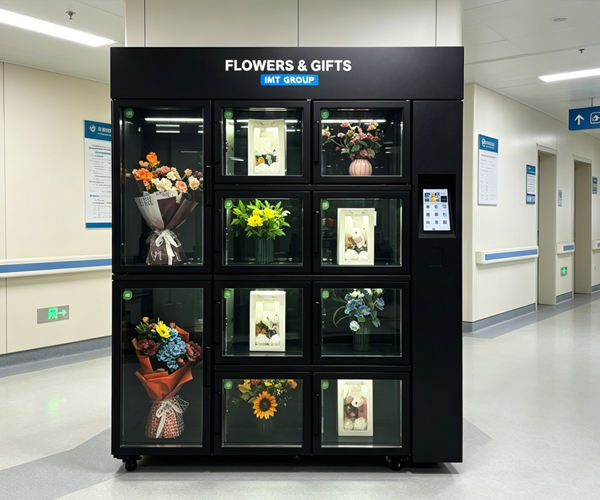
Flower Vending Machine: Key Factors to Consider in 2026
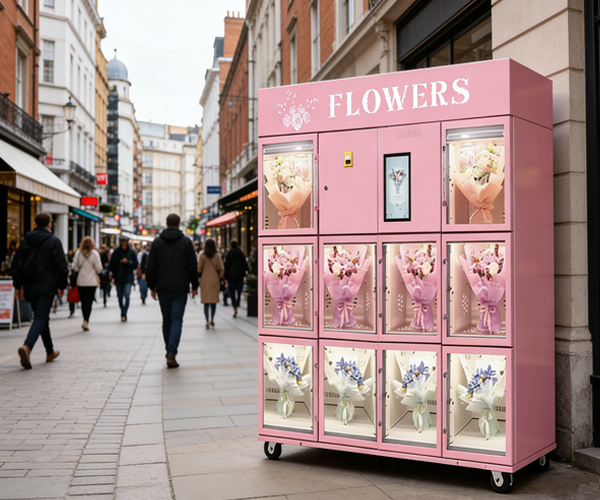
As automated retail continues to reshape how consumers access fresh goods, the flower vending machine has emerged as a practical solution for businesses seeking to serve customers outside traditional store hours. For venue operators, retail entrepreneurs, and distributors evaluating this technology, understanding the core factors that determine machine quality and long-term performance is essential before making a purchasing decision.
Why Preservation Technology Matters Most
Fresh flowers are perishable, and maintaining their quality inside an unattended machine is one of the most difficult engineering challenges in this product category. The primary pain point in traditional retail is that high maintenance costs for fresh flowers, combined with the limited operating hours of conventional florists, leave a significant gap in customer access. Any serious buyer should first evaluate how a machine manages temperature and humidity.
An air-cooled preservation system addresses this directly through targeted airflow circulation designed to extend floral storage lifespan and maintain hydrating freshness. This is not a generic refrigeration approach; it is engineered specifically to keep flowers hydrated while preventing the wilting that occurs in standard cold storage. IMT Vending has built its 8-Slot Flower Vending Machine around this exact principle, using the air-cooled system to maintain flower freshness around the clock. For buyers, the presence of a purpose-built air circulation system—rather than a repurposed beverage cooler—should be a non-negotiable requirement.
Visibility Without Compromising Freshness
A second factor that is often overlooked is glass clarity. Since flowers are a visually driven purchase, condensation or fogging on display glass can suppress sales even when the product inside is perfectly fresh. This is where a glass electric defogger system becomes critical: explosion-proof and smash-proof glass integrated with heating elements prevents fogging and maintains product visibility. In IMT Vending's design, this defogger glass uses electric heating specifically to prevent condensation, which ensures product visibility even in humid conditions. Buyers should ask suppliers directly whether their glass is both heated and impact-resistant, since these two properties are frequently treated as separate, optional features rather than a combined standard.
Security and Product Segmentation
Because flower vending machines are typically deployed in unattended, high-traffic public locations, security architecture is another key consideration. An independent storage architecture with cabinet-style lanes, featuring independent compartments and doors, provides a meaningful security advantage over open-tray systems. Individual cabinet doors give a high security rating suited to high-traffic environments, and this compartmentalization also prevents theft and tampering by isolating each product slot. For operators placing machines in subways, airports, shopping malls, or tourist attractions, this design consideration directly affects loss prevention and long-term profitability.
Insulation and Energy Efficiency
Beyond airflow and glass technology, the physical construction of the refrigerated cabinet plays a role in operating costs. Polyurethane insulation, applied through one-piece foam molding refrigerated boxes, is designed for optimal temperature locking and energy efficiency. This construction method reduces the energy required to maintain internal conditions over long operating periods, which is a relevant factor for operators calculating total cost of ownership across a 24/7 deployment cycle.
User Experience and Deployment Context
Not every flower vending deployment has the same customer profile. In high-throughput environments such as subways and airports, transaction speed and interface clarity influence conversion rates. IMT Vending's 15.6-inch Screen Flower Vending Machine was developed specifically to address the complexity in user transactions at busy transit hubs, using a large interactive touchscreen that provides a visual interface for product selection and payment, simplifying the purchasing journey. Buyers evaluating machines for high-footfall venues should weigh whether a smaller keypad interface or a larger interactive screen better matches their expected customer flow and dwell time.
Software, Remote Management, and Scalability
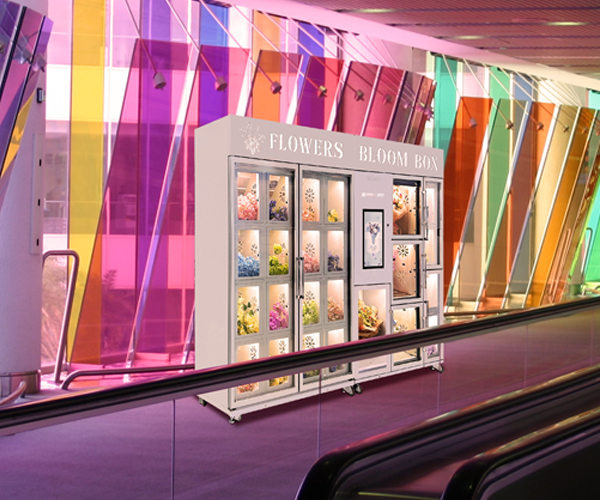
A flower vending machine is not solely a hardware decision. Operators managing multiple units across different venues benefit from a smart retail sales platform—a cloud-based management system featuring real-time monitoring of sales, stock, and profit data. This allows remote control operations, meaning profits and machine status can be monitored without an on-site visit. For agents or distributors managing decentralized networks, multi-level account management supports subsidiary account creation, allowing oversight to be distributed across multiple stakeholders without losing centralized visibility. These capabilities matter increasingly as operators scale from a single unit to a fleet of machines across venues such as hospitals, schools, hotels, amusement parks, and zoos.
Customization, Delivery Timelines, and Service Terms
Procurement decisions also depend on how flexible a manufacturer's service model is. IMT Vending offers both Original Design Manufacturer (ODM) and Original Equipment Manufacturer (OEM) services, covering pre-delivery quality assurance testing, hardware and software customization, and technical assistance. The ODM model carries no Minimum Order Quantity, while the OEM model requires a minimum order quantity of 10 units—an important distinction for buyers comparing small pilot deployments against larger fleet rollouts.
Production cycles across these service models run approximately 7–30 days, and buyers should factor in logistics timing alongside manufacturing time: sea freight and land transportation typically require 25–45 days for arrival, while express shipping via DHL or FedEx takes approximately 5–7 days. After-sales terms are equally important; a one-year comprehensive warranty paired with lifetime technical assistance, along with user manuals and demos for step-by-step instruction, reduces operational risk for buyers unfamiliar with maintaining automated retail hardware.
Payment Flexibility for International Buyers
Given that flower vending machines are frequently sourced across borders, payment method flexibility can influence procurement speed. Multi-currency acceptance through T/T, L/C at sight, Credit Card, Western Union, PayPal, Escrow, Alibaba.com Pay, and Alipay allows buyers in different regions to transact using familiar and secure channels.
Bringing the Factors Together
Selecting a flower vending machine ultimately requires weighing preservation technology, display glass performance, storage security, insulation efficiency, interface design, software management capability, and service terms as a connected system rather than isolated features. IMT Vending positions its product line—including the 8-Slot Flower Vending Machine and the 15.6-inch Screen Flower Vending Machine—around this integrated approach, combining air-cooled preservation, defogger glass, cabinet-style security, and cloud-based remote management to elevate service quality and drive revenue growth through 24/7 automated retail. For businesses evaluating this category, prioritizing manufacturers who address these factors as a unified system, rather than treating hardware and software as separate purchases, is likely to yield more reliable long-term performance across transportation hubs, recreational venues, retail centers, and public facilities.
https://www.imtvending.com/
Guangzhou IMT Technology Co., Ltd.
About Author