Flora cheap high discharge 3.2V 230AH Lithium Iron LFP Battery: Technical Guide for Reliable Energy Storage Design
admin 31/07/2026 0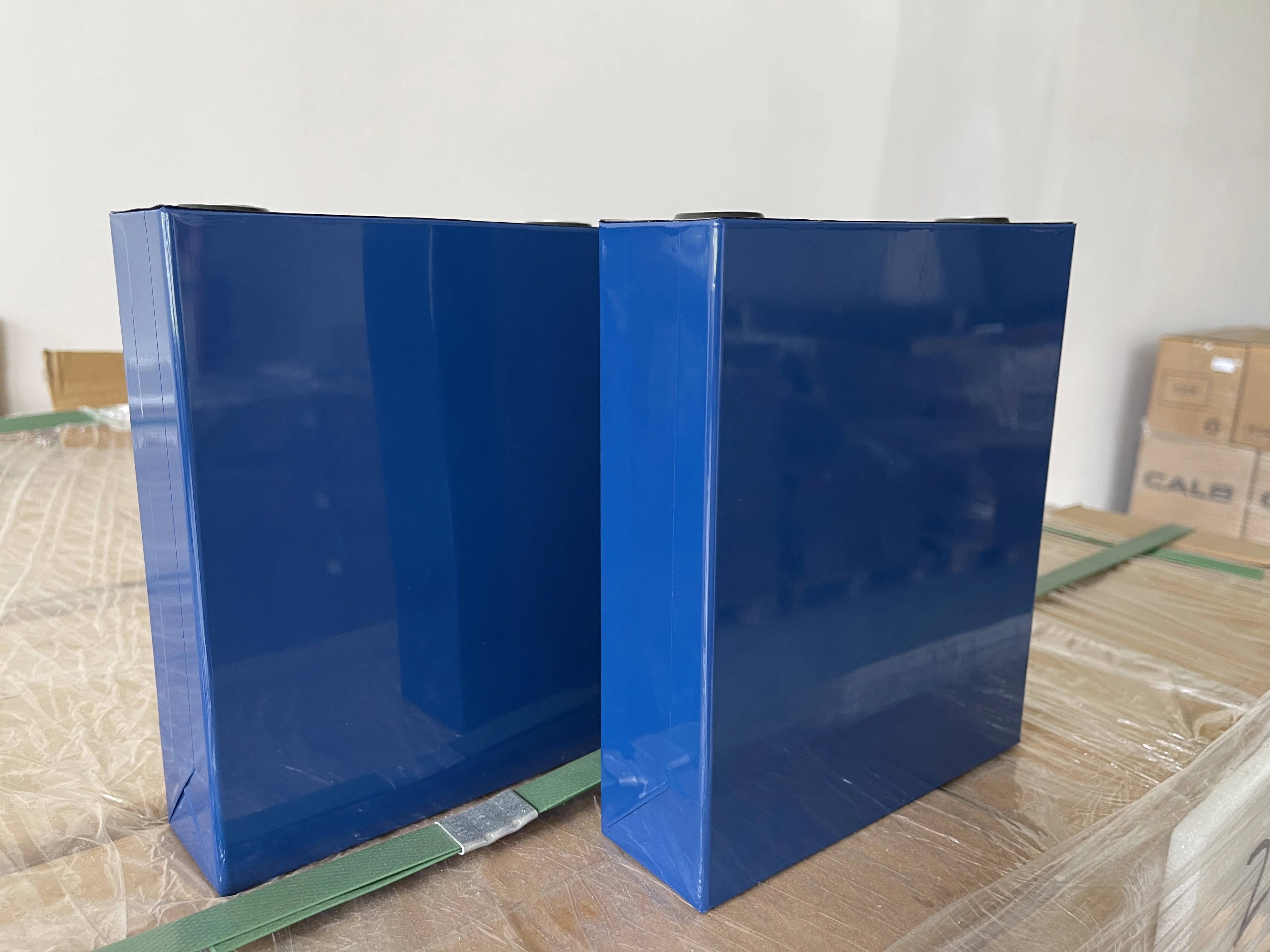
As global demand for energy storage continues to expand across residential, commercial, and industrial sectors, lithium iron phosphate (LFP) technology has become one of the most stable and cost-effective battery chemistries for large-scale deployment. Among the commonly used prismatic cell formats, the Flora cheap high discharge 3.2V 230AH Lithium Iron LFP Battery is widely adopted in solar energy storage systems, off-grid power systems, electric mobility, backup power, and industrial energy buffering applications.
Its popularity is driven by a combination of long cycle life, thermal stability, high discharge capability, and favorable cost-performance balance. However, selecting and integrating LFP cells into real-world systems requires careful evaluation of electrical performance, thermal behavior, BMS compatibility, and system-level design constraints.
This article provides a technical breakdown of the Flora cheap high discharge 3.2V 230AH Lithium Iron LFP Battery, focusing on real engineering requirements, performance parameters, and application scenarios that influence system reliability and lifecycle cost.
Why 3.2V 230Ah LFP Cells Are Widely Used in Energy Storage Systems
The 3.2V 230Ah prismatic LFP cell has become a standard building block for modern battery packs due to its balance between energy density, safety, and scalability.
A single Flora cheap high discharge 3.2V 230AH Lithium Iron LFP Battery typically provides:
-
Nominal voltage: 3.2V
-
Nominal capacity: 230Ah
-
Nominal energy: ~736Wh per cell
-
Stable discharge platform: 2.8V–3.4V range
-
Long cycle life: typically 4000–6000+ cycles depending on conditions
-
High discharge capability suitable for continuous load systems
When assembled into 48V or higher voltage battery systems, these cells provide stable energy output for inverters, UPS systems, and renewable energy storage architectures.
High Discharge Performance: Why It Matters in Real Applications
One of the defining characteristics of the Flora cheap high discharge 3.2V 230AH Lithium Iron LFP Battery is its ability to sustain higher discharge currents compared to standard LFP cells.
High discharge capability is critical in applications where sudden load changes occur, such as:
-
Solar inverter start-up surges
-
Motor-driven industrial equipment
-
Electric vehicles and golf carts
-
Backup power systems during grid failure
-
Telecom base station peak load compensation
Typical high-quality 230Ah LFP cells support continuous discharge rates between 0.5C and 1C, with peak discharge rates up to 2C depending on thermal conditions and BMS protection.
This means a properly designed battery pack can safely deliver:
-
Continuous current: ~115A (0.5C)
-
Peak current: up to ~230A (1C) or higher short bursts
High discharge performance ensures system stability under dynamic load conditions, reducing voltage sag and improving inverter efficiency.
Thermal Stability and Safety Architecture
Safety is a core advantage of lithium iron phosphate chemistry.
Compared with NMC or NCA batteries, the Flora cheap high discharge 3.2V 230AH Lithium Iron LFP Battery provides significantly improved thermal stability due to its strong Fe–P–O chemical structure.
Key safety characteristics include:
-
High thermal runaway threshold (~250°C or higher)
-
Non-oxygen-releasing cathode chemistry
-
Lower risk of combustion under abuse conditions
-
Stable operation under high SOC ranges
These properties make LFP batteries suitable for installations where safety and long-term stability are more important than ultra-high energy density.
However, system-level safety still depends on proper BMS design, including:
-
Over-voltage protection
-
Under-voltage cut-off
-
Over-current control
-
Cell balancing
-
Temperature monitoring
-
Short-circuit protection
Cycle Life and Total Cost of Ownership
One of the most important advantages of the Flora cheap high discharge 3.2V 230AH Lithium Iron LFP Battery is its long cycle life.
Under typical operating conditions (80% depth of discharge, moderate temperature control), LFP cells can achieve:
-
4000 cycles: standard industrial operation
-
6000 cycles: optimized thermal and charge control
-
Up to 8000 cycles: conservative discharge profiles
This translates into a service life of 8–15 years depending on usage patterns.
When evaluating total cost of ownership (TCO), cycle life becomes more important than initial purchase price. Even “cheap” LFP cells can offer superior long-term economics if properly integrated and managed.
Electrical Characteristics That Affect System Design
When designing battery packs using the Flora cheap high discharge 3.2V 230AH Lithium Iron LFP Battery, several electrical parameters must be carefully matched.
Voltage Window
-
Full charge: ~3.65V
-
Nominal operation: ~3.2V
-
Discharge cutoff: ~2.5V–2.8V
Maintaining correct voltage limits is essential to prevent capacity degradation.
Internal Resistance
Internal resistance typically ranges between 0.3 mΩ to 0.6 mΩ depending on production quality.
Lower resistance improves:
-
High current discharge efficiency
-
Reduced heat generation
-
Better inverter performance
-
Improved voltage stability
Capacity Matching
For multi-cell packs, capacity consistency is critical. A mismatch greater than 2–3% between cells can lead to imbalance, reducing usable pack capacity and lifecycle.
Application Scenarios in Energy Systems
The Flora cheap high discharge 3.2V 230AH Lithium Iron LFP Battery is widely used in multiple sectors due to its balance of safety and performance.
Residential Energy Storage
In solar home systems, these cells are commonly configured into 48V battery packs to store excess photovoltaic energy for nighttime use.
Key benefits include:
-
Stable daily cycling
-
Compatibility with hybrid inverters
-
Long service life
-
High safety in indoor installations
Commercial Energy Storage
For small businesses and commercial buildings, LFP battery systems help reduce peak electricity charges and provide backup power during outages.
Industrial Backup Systems
Factories and telecom infrastructure rely on stable backup energy systems to maintain uninterrupted operation.
High discharge capability ensures reliable response during sudden grid failure events.
Off-Grid Power Systems
Remote installations such as communication stations, mining sites, and rural electrification systems benefit from long-life, low-maintenance energy storage.
Battery Pack Integration Considerations
While individual cell performance is important, system-level design determines real-world reliability.
Key integration factors include:
Battery Management System (BMS)
A properly designed BMS ensures:
-
Cell balancing across long cycles
-
Accurate SOC estimation
-
Thermal protection
-
Load management
-
About Author