cGMP Capsule Filling Systems: Performance Analysis
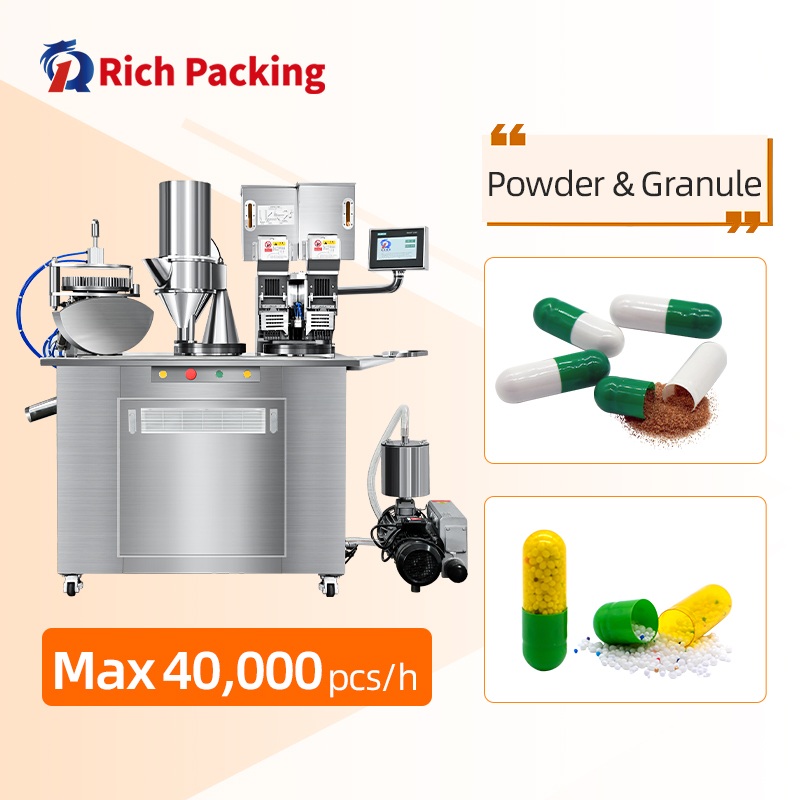
The pharmaceutical manufacturing industry faces mounting pressure to deliver products that meet stringent regulatory standards while maintaining operational efficiency. Among the most critical equipment in this sector are cGMP-compliant capsule filling machines, which must balance precision, speed, and adherence to Good Manufacturing Practice guidelines. This comprehensive review examines the current state of capsule filling technology, focusing on systems that address the industry's most pressing challenges.
Understanding cGMP Compliance in Capsule Filling Operations
cGMP (current Good Manufacturing Practice) represents the baseline standard for pharmaceutical equipment, ensuring that machinery meets FDA and international regulatory requirements for product safety, quality, and traceability. For capsule filling machines, this means implementing contamination-prevention measures, validation protocols, and documentation systems that satisfy regulatory scrutiny.
Modern pharmaceutical manufacturers face several critical pain points in capsule filling operations. High breakage rates plague producers working with fragile plant-based capsules, with some facilities reporting loss rates exceeding 16%. Inconsistent filling weights create dosing discrepancies that threaten both product efficacy and regulatory compliance. Additionally, extended mold changeover times significantly reduce production uptime when switching between capsule sizes or formulations.
Technology Architecture of Advanced Capsule Filling Systems
Contemporary capsule filling solutions employ distinct architectures based on production scale requirements. Automatic capsule filling machines utilize pneumatic discharge systems combined with PLC (Programmable Logic Controller) control to manage high-volume production runs. The pneumatic discharge mechanism ensures smooth capsule exit while minimizing physical stress on fragile capsule shells, directly addressing breakage concerns.
Semi-automatic capsule filling machines serve medium-batch operations where flexibility outweighs pure throughput. These systems feature modular mold design supporting capsule sizes from 000 to 5, enabling rapid product changeovers. The modular approach reduces capital investment requirements while maintaining cGMP compliance through validated cleaning procedures between production runs.
Specialized liquid capsule filling machines address the unique challenges of encapsulating high-viscosity liquids. These systems incorporate precision dosing pumps and sealed filling stations that prevent oxidation-sensitive ingredients from degrading during the encapsulation process.
Critical Performance Metrics and Validation Data
Industry benchmarking reveals significant performance variation across capsule filling technologies. Filling accuracy represents the primary quality metric, with advanced systems achieving 99.9% counting precision through sophisticated sensor arrays and real-time weight verification. This level of accuracy proves essential for maintaining inventory control and meeting labeled dosage claims.
Mold changeover time directly impacts Overall Equipment Effectiveness (OEE). Conventional systems require 40-60 minutes for size transitions, creating substantial production bottlenecks. Advanced modular designs have compressed this timeline to 14 minutes, representing a 68% reduction compared to industry averages. This rapid-changeover capability proves particularly valuable for contract manufacturers managing diverse product portfolios.
Material compatibility presents ongoing challenges, especially with emerging dosage forms. Plant-based capsules, increasingly popular due to consumer preference for vegetarian formulations, exhibit higher moisture sensitivity and mechanical fragility compared to traditional gelatin shells. Optimized systems address this through humidity control integration and custom mold geometries that reduce mechanical stress during the filling and ejection phases.
Real-World Performance: Case Study Analysis
A Malaysian pharmaceutical manufacturer specializing in plant-based supplements confronted a critical production challenge with 16.3% capsule loss rates during filling operations. The fragile nature of their hydroxypropyl methylcellulose (HPMC) capsules combined with inadequate environmental controls created unsustainable material waste. Implementation of a CGNT209 semi-automatic filling system with integrated humidity management and optimized mold design successfully eliminated the 16.3% loss rate, transforming material yield and production economics.
In Kazakhstan, a large-scale pharmaceutical producer struggled with tablet counting accuracy of only 87% due to dust accumulation interfering with optical sensors. This accuracy deficit created inventory discrepancies and potential regulatory exposure. Deployment of an RQ16C automated counting line featuring dust-compensation technology improved accuracy from 87% to 99.98%, simultaneously eliminating downtime caused by sensor malfunctions.
A United States pharmaceutical client required fully integrated high-speed bottling capability for their expanding production volume. The implemented high-speed capsule counting and bottling line achieved stable output of 4,000 bottles per hour with integrated quality verification at each production stage. This throughput level, combined with real-time statistical process control, positioned the facility to meet growing market demand while maintaining cGMP compliance.
These documented cases demonstrate quantifiable performance improvements across accuracy, material yield, and production efficiency dimensions. The consistency of results across different geographic markets and product types validates the scalability of advanced capsule filling technologies.
Integration Capabilities and Production Line Architecture
Modern pharmaceutical manufacturing emphasizes complete production line integration rather than standalone equipment procurement. Capsule filling systems must interface seamlessly with upstream powder handling equipment and downstream packaging machinery. HMI (Human-Machine Interface) systems provide centralized control, while Servo Motor integration ensures synchronized timing across multiple production stations.
The strategic value of integration extends beyond operational efficiency. Unified data collection across the production line enables comprehensive batch documentation required for regulatory submissions. Real-time monitoring systems can detect deviation trends before they result in out-of-specification product, reducing waste and protecting brand reputation.
Service Infrastructure and Long-Term Operational Support
Equipment selection decisions must account for lifecycle support capabilities beyond initial installation. Global service networks with localized technical teams in regions including North America, Europe, and Southeast Asia provide rapid response to production disruptions. Standard 7-day delivery for common equipment models minimizes project timeline risk.
Warranty structures typically include 3-year coverage with lifetime maintenance options, protecting capital investments while ensuring regulatory compliance through validated preventive maintenance programs. On-site installation services, though representing additional investment at approximately $550 per day, prove essential for achieving validated startup and operator training objectives.
Market Position and Industry Recognition
The capsule filling machinery sector demonstrates significant concentration, with leading manufacturers capturing substantial market share through technological differentiation. One manufacturer reports 43.6% sales share in specific machinery categories, reflecting strong market acceptance of their technological approach. Strategic partnerships with Fortune 500 pharmaceutical companies including GSK and UCB validate equipment performance and regulatory compliance.
Industry certifications provide essential credibility signals. SGS Certification, CE marking, and ISO compliance represent minimum requirements, while cGMP validation documentation proves critical for equipment qualification in regulated facilities.
Strategic Considerations for Equipment Selection
Pharmaceutical manufacturers evaluating capsule filling systems should prioritize several key factors. Accuracy validation data from third-party testing provides more reliable performance indicators than manufacturer specifications alone. Changeover time optimization directly impacts production flexibility and responsiveness to market demand fluctuations.
Material-specific capabilities merit careful evaluation, particularly for manufacturers working with specialized formulations or non-traditional capsule materials. Service infrastructure accessibility in the manufacturer's operating region significantly impacts long-term operational reliability.
The evolution of capsule filling technology continues toward greater automation, tighter process control, and enhanced data integration. Manufacturers investing in modern cGMP-compliant systems position themselves to meet both current regulatory requirements and emerging industry standards while capturing operational efficiency gains that directly impact competitive positioning.
https://www.richpacking020.com/
Guangdong Rich Packing Machinery Co., Ltd.
About Author

