Burglar Proof Glazing: Shielding Museums and High-Value Assets
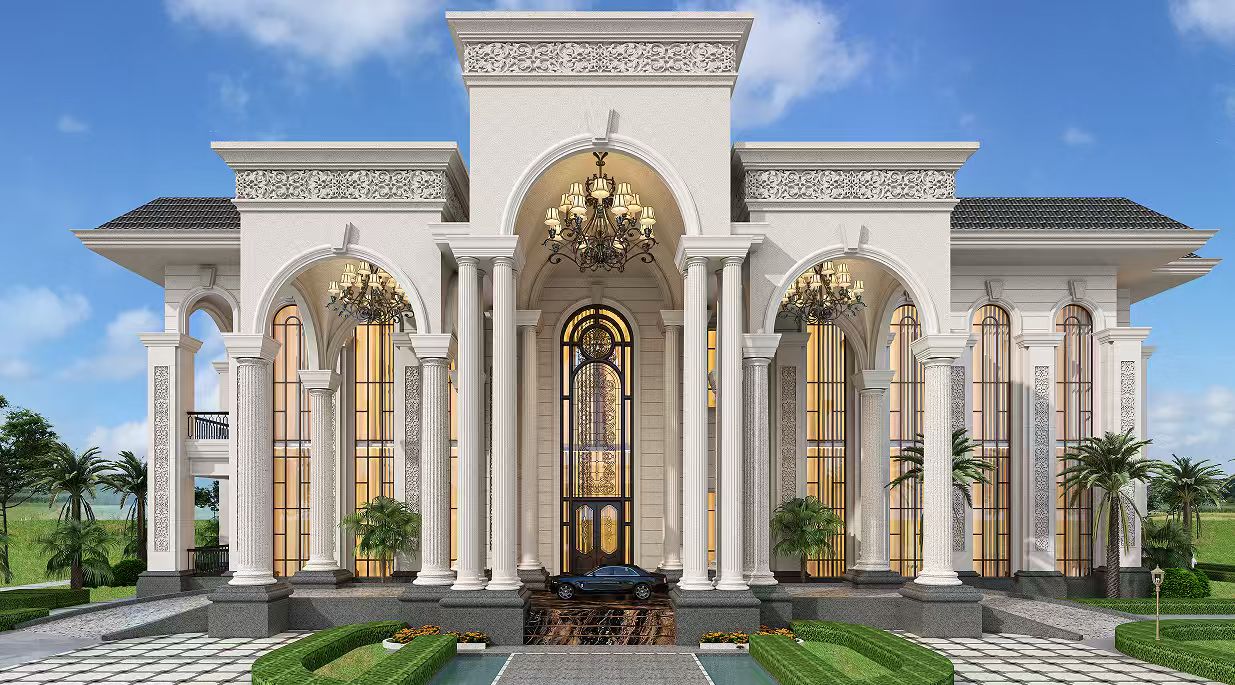
Museums, private collections, and high-value asset facilities face a persistent threat: sophisticated break-ins that target irreplaceable artifacts, sensitive documents, and valuable property. While alarm systems and security personnel provide one layer of defense, the physical barrier between intruders and assets remains critical. Traditional glazing systems often fail under determined attacks, leaving vulnerabilities that can result in catastrophic losses. Burglar proof glazing has emerged as an essential architectural defense, combining transparency with formidable resistance to forced entry.
Understanding Burglar Proof Glazing
Burglar proof glazing refers to specialized window and door systems engineered to resist forced entry attempts ranging from opportunistic vandalism to organized, tool-assisted attacks. Unlike standard glass, these systems integrate multiple protective layers: high-strength laminated glass, reinforced frame structures, and advanced locking mechanisms that work in concert to delay or prevent intrusion.
The effectiveness of burglar proof glazing is measured by resistance class (RC) ratings established under European standards EN356 (glass performance P2A-P8B) and EN1627-1630 (complete system performance RC1-RC6). Each progressive class withstands increasingly sophisticated attack methods:
- RC1/P2A: Resists physical violence including kicking and shoulder charging
- RC2/P4A: Withstands simple tools such as screwdrivers and pliers
- RC3/P5A: Defeats crowbars and hand drills
- RC4/P6B: Stops heavy hammers, axes, and battery-powered drills
- RC5: Resists damage from power tools including 1.1KW scraper saws and 650W circular saws
- RC6: Provides maximum protection against advanced mechanical attacks
This tiered approach allows institutions to select protection levels matched to their specific threat profiles and asset values.
Why Museums and High-Value Facilities Require Specialized Protection
Museums house irreplaceable cultural heritage—artifacts that cannot be restored or replaced once damaged or stolen. Private collectors safeguard rare artworks, precious gems, and historically significant documents. Financial institutions protect currency, securities, and confidential records. These environments share common vulnerabilities:
Accessibility: Public-facing institutions must balance openness with security, creating opportunities for reconnaissance and planning by potential intruders.
High-value concentration: Compact display areas contain assets worth millions, making them attractive targets for organized theft operations.
Limited response time: Even with alarms, police response may take several minutes—enough time for experienced criminals to breach standard glazing and escape with portable valuables.
Visibility requirements: Unlike vaults, display environments require transparent barriers that preserve sightlines and aesthetic presentation while providing robust protection.
Standard glazing fails these requirements. Ordinary tempered glass shatters under impact. Basic laminated glass, while holding together when broken, offers minimal delay against determined attackers with crowbars or power tools. Only purpose-engineered burglar proof glazing provides the necessary resistance.
The Engineering Behind Effective Burglar Resistance
High-performance burglar proof glazing systems achieve their protective capabilities through integrated design across multiple components:
Multi-layer laminated glass: The core barrier consists of multiple glass plies bonded with tough interlayer films. These films—typically advanced polymers—absorb impact energy and bind glass fragments together. As resistance class increases, so do the number of layers and total thickness. P6B-rated glass, for example, may exceed 30mm in thickness with specialized interlayer compositions that resist cutting and drilling.
Reinforced frame structures: Glass performance alone is insufficient. Frames must withstand prying attempts and prevent attackers from bypassing the glass entirely. Steel-reinforced aluminum profiles or specialized high-security steel frames anchor the glazing firmly to surrounding structures. Multi-point locking systems distribute resistance across the entire perimeter rather than concentrating stress at a single lock point.
Integrated testing protocols: Genuine burglar proof systems undergo rigorous certification testing where technicians simulate real-world attack scenarios using specified tools and time limits. Only systems that prevent complete breaches within test parameters earn their resistance classifications.
This holistic approach—treating the glazing, frame, and installation as a unified security system—distinguishes professional solutions from superficial upgrades that leave exploitable weaknesses.
KFORTS Burglar-Resistant Systems: Engineered for Critical Protection
As a professional security glass system provider with 25 years of expertise in high-security glazing, KFORTS has developed comprehensive burglar-resistant solutions specifically engineered for museums, galleries, and high-value asset facilities. KFORTS burglar-resistant and forced-entry-resistant windows and doors comply with EN356 (glass P2A-P8B) and EN1627-1630 (system RC1-RC6), delivering certified protection across the full spectrum of threat levels.
KFORTS systems combine high-strength glass, advanced locking mechanisms, and reinforced frame structures to prevent forced entry. Each system undergoes rigorous testing to withstand aggressive entry attempts, ensuring long-lasting protection for critical assets. Beyond standalone burglar resistance, KFORTS integrates multi-threat protection—combining burglar, bullet, blast, and fire resistance into unified architectural systems without compromising aesthetic transparency or energy efficiency.
The company's in-house research and development team operates independent laboratories focused on fire-resistant and high-security composite materials. This vertical integration—from R&D through certified manufacturing—ensures consistent quality across global deployments. KFORTS products meet European (EN), American (UL), Australian (AS), German (IFT), British (Intertek), Swiss (SGS), and Singapore (SS) standards, providing internationally recognized protection verified by certification bodies including TÜV, CE, and ISO 9001.
With projects spanning embassies, banks, data centers, luxury villas, museums, airports, and stadiums across Europe, Asia, Australia, Africa, and South America, KFORTS delivers tailored security solutions backed by technical consultation, customized system design, full CAD drawings, installation manuals, and comprehensive support resources.
Selecting the Right Protection Level
Determining appropriate burglar proof glazing specifications requires threat assessment and asset valuation:
RC2/P4A systems suit general commercial applications and residential properties where basic deterrence against opportunistic crime is sufficient.
RC3/P5A systems provide enhanced protection for retail jewelry displays, small museum galleries, and facilities in moderate-risk locations.
RC4/P6B and RC5 systems are essential for major museums, high-value private collections, bank vaults, and any environment housing assets exceeding several million in value or containing irreplaceable cultural property.
RC6 systems represent maximum mechanical protection, appropriate for national treasuries, crown jewel collections, and facilities facing organized criminal threats or civil unrest scenarios.
Beyond resistance class, consider frame compatibility with existing architecture, thermal insulation requirements, acoustic performance, and whether additional protections—such as ballistic or blast resistance—may be warranted for specific threat environments.
Implementation Considerations
Successful burglar proof glazing installation extends beyond product selection:
Professional assessment: Security consultants should evaluate facility layouts, identify vulnerable access points, and recommend system specifications matched to actual threat profiles rather than applying uniform solutions.
Installation quality: Even certified systems fail if improperly installed. Frames must be securely anchored to structural elements, and all gaps properly sealed. Work with experienced contractors familiar with high-security glazing protocols.
System integration: Burglar proof glazing works best as part of layered security combining intrusion detection, access control, surveillance, and response procedures. Physical barriers delay intrusion; integrated systems ensure detection and intervention.
Maintenance protocols: Periodic inspection of locking mechanisms, frame integrity, and glazing condition ensures continued performance over system lifespans that can extend 10-15 years with proper care.
The Value Proposition
Investing in certified burglar proof glazing delivers measurable returns:
Loss prevention: The cost of specialized glazing represents a fraction of potential losses from successful break-ins—whether measured in stolen property value, insurance claims, or irreplaceable cultural heritage.
Insurance benefits: Many insurers reduce premiums for facilities protected by certified RC-rated systems, recognizing their proven effectiveness in preventing claims.
Operational continuity: Preventing successful intrusions avoids business disruption, investigation periods, and reputational damage that follow security breaches.
Peace of mind: Trustees, curators, and collection owners gain confidence that irreplaceable assets enjoy protection proportional to their significance.
For museums and high-value asset facilities, burglar proof glazing represents not an expense but a fundamental responsibility—preserving cultural heritage and valuable property for future generations through sophisticated architectural defense systems that balance transparency with uncompromising protection standards.
https://www.hwarrior.com/
HWARRIOR PTE LTD (SINGAPORE)
About Author